
Introduction to Hidden Networks in Nature and Business
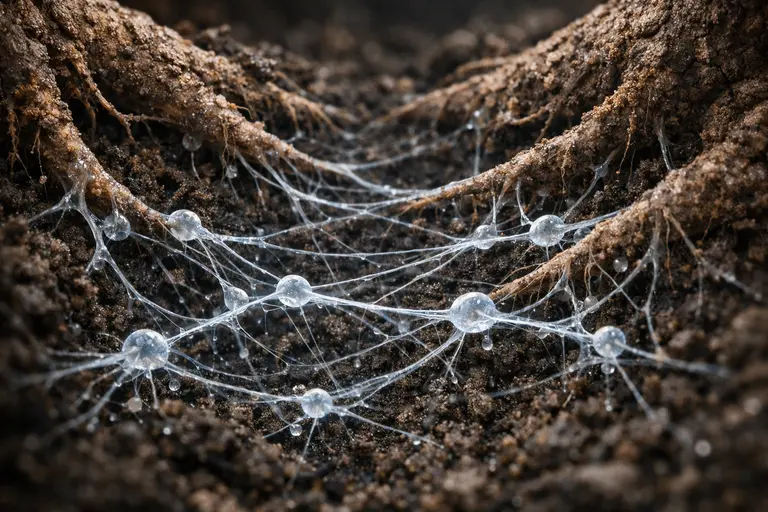
Most people look at a forest and see individual trees standing alone. However, scientists now know that a vast hidden network runs beneath the soil. Tiny thread-like structures called hyphae extend from arbuscular mycorrhizal fungi into the soil, connecting plant roots and helping them access water and nutrients buried deep in the ground. Interestingly, these hidden networks in nature and business quietly shape the resilience of both biological and economic systems.
This underground partnership is ancient. believe it began roughly 400 million years ago during the Devonian Period. Today, scientists estimate that arbuscular mycorrhizal fungi associate with around 70 percent of all land plant species. At first glance, this discovery seems relevant only to biology. However, the same idea helps us understand how human society works. Just as forests depend on connections underground, our modern world depends on networks that most people never see. Whether you hold a diamond ring or stay in a luxury hotel, you are experiencing the visible result of countless invisible relationships.
The Oldest Hidden Networks in Nature
The relationship between plants and fungi works because both sides bring something valuable to the table. Plants use sunlight to produce sugars through photosynthesis; however, their roots cannot easily reach every nutrient in the soil. Fungi, on the other hand, send microscopic threads across vast areas of soil and absorb minerals such as phosphorus and nitrogen. Nevertheless, fungi cannot produce food from sunlight on their own.
As a result, both partners benefit from the exchange. The fungi help plants absorb water and nutrients from a much wider area. In return, plants share vital sugars with the fungi. Neither partner thrives as well alone—instead, both succeed because they cooperate. This same principle of mutualism is a fundamental aspect of hidden networks in nature and business. It runs through almost every part of human society, from gemstone mining to global shipping lanes. To see how these connections manifest in trade, you can read our guide on the silver supply chain from mine to jewelry.
Jewelry as Hidden Networks in Nature and Business
When you hold a polished diamond ring, you see only the sparkle and the craftsmanship. However, you do not see the miners, traders, cutters, graders, and retailers who helped bring it to you. Miners first extract the rough stone from the earth. Traders then move these stones across international borders. Next, skilled cutters reveal their brilliance, and gemological laboratories evaluate their quality.
Every participant adds value along the way. The ring you see is only the visible outcome of a massive, coordinated effort. Beneath it lies a web of labor, expertise, transportation, trust, and high-end technology. In this sense, a diamond resembles a flower growing above the soil—the network below makes the beauty above possible. This level of oversight and coordination is managed by industry sheepdogs in tech and jewelry who ensure the integrity of the trade. For a global perspective, the Gemological Institute of America (GIA) provides public guidance on these supply chains.
Global Hidden Networks in Nature and Business
A luxury watch may appear to be a single elegant object. Nevertheless, it often represents one of the most interconnected products in the modern world. Gold may originate in one country, while sapphire crystals arrive from another. Skilled engineers and designers may work in a third nation, and distributors then carry the final product to customers across the globe.
Furthermore, technology now strengthens these connections. Digital tracking systems help companies monitor sourcing and production in real-time. As a result, consumers can gain a deeper understanding of authenticity and provenance. Information moves through global industries much like nutrients move through fungal networks underground. This interconnectedness is exactly why pocket watches are back in style; they represent a tangible link to a rich, historical network of craftsmanship.
Biological Hidden Networks in Nature and Business
Among all industries, food and beverages provide the clearest example of biological networks at work. In fact, many crops benefit directly from mycorrhizal partnerships. Grapevines, coffee varieties, and fruit trees all rely on soil fungi to improve nutrient absorption. Notably, healthy soil frequently produces healthier plants and, in turn, better-tasting food.
When you enjoy a cup of coffee, you experience the combined influence of soil organisms, climate, and farming traditions. Every restaurant meal tells a similar story, with ingredients arriving through networks of suppliers that most diners never think about. This concept is central to the success of pay what you can restaurants in India, where the community acts as the supporting mycelium for the business.
Heritage as Hidden Networks in Nature and Business
India’s cultural heritage operates through the same principle of connected relationships. Consider a handwoven saree or a piece of temple jewelry. Although a buyer sees only the finished product, many hands contribute to its creation. Farmers grow raw materials, dyers prepare colors, and artisans develop specialized skills passed down across generations.
Moreover, traditional knowledge travels through families just as nutrients travel through fungal hyphae. Consequently, heritage survives because knowledge continues to flow through communities. This is a vital part of building India’s global brands, where the brand itself is the fruit of a deep, historical root system. If one link in this chain weakens, the entire system can suffer. Conversely, when communities support traditional crafts, the whole network becomes more resilient.
Tech: Digital Hidden Networks in Nature and Business
Technology provides one of the closest human-made parallels to fungal networks in nature. Most people never see the fiber-optic cables, satellites, or servers that power modern communication. Nevertheless, these invisible systems connect billions of people every day.
Furthermore, businesses use digital platforms to manage supply chains and verify product authenticity. Therefore, technology acts as an invisible infrastructure that supports modern life—just as fungal networks help forests share resources beneath the soil. This digital mycelium is the foundation for trade skills that stay ahead of AI in India, where high-tech tools empower traditional human expertise.
FAQ About Hidden Networks in Nature and Business
What exactly are arbuscular mycorrhizal fungi?
They are beneficial soil fungi that form partnerships with 70% of land plants. They exchange nutrients and water for plant sugars, creating a massive underground resource-sharing grid.
How does the “honeybee” business model fit into these networks?
In the context of the three business models: ants, spiders, and honeybees, the honeybee represents the transformation of resources within a network into something more valuable.
Why is trust important in industrial networks?
Just as fungi and plants must have a chemical “handshake” to trade, businesses require trust to share sensitive data and maintain long-term supply chain stability.
Can these networks be seen by the human eye?
In nature, individual hyphae are microscopic, but the cumulative “mycelium” can sometimes be seen as white threads. In business, these networks are seen through contracts, shipping manifests, and digital data.
How can consumers support healthy networks?
By purchasing from brands that prioritize transparency and ethical sourcing, consumers strengthen the “roots” of the global economy and promote sustainability.
Disclaimer
This article uses fungal networks as a metaphor to explain human systems and relationships. The biological information draws from current scientific understanding; however, all comparisons with business and technology are interpretive. The author has no financial affiliation with the companies mentioned. Readers should consult professionals before making business decisions.