Introduction to Misophonia and Career Success
Most people barely notice everyday background sounds. For them, the hum of an office or the clatter of a busy café fades quickly into the background. However, for people with misophonia, certain noises trigger strong emotional and physical reactions. In particular, sounds such as chewing, sniffing, throat clearing, or repetitive tapping can cause significant distress and anxiety. Despite these challenges, the link between misophonia and career success is becoming increasingly clear as more people find ways to adapt.
Researchers describe misophonia as a neurophysiological condition rather than a personality flaw. Although scientists continue to study its causes, growing evidence confirms that misophonia produces real, measurable responses in the brain. As a result, medical institutions worldwide now take the condition seriously. For a clear medical overview, visit the Cleveland Clinic’s misophonia resource page. So, can people with this condition build thriving professional lives? Absolutely. In fact, many individuals develop practical strategies that allow them to work productively. Success often comes down to choosing the right environment and playing to one’s personal strengths.
High-Focus Jobs: Misophonia and Career Success
Doctors formally named misophonia in 2001, but people have likely experienced these sensitivities throughout history. Typically, the strongest triggers involve repetitive human-generated sounds. Because of these triggers, many people with misophonia become unusually alert to their surroundings. Furthermore, they often develop a “hyper-focus” ability to compensate for their sensitivities.
When applied correctly, this focus becomes a significant asset. For example, the high-precision world of trade skills that stay ahead of AI in India requires the exact type of deep concentration that many misophonics naturally possess. Consequently, the relationship between misophonia and career success often flourishes in fields where details matter most.
Jewelry Fields: Misophonia and Career Success
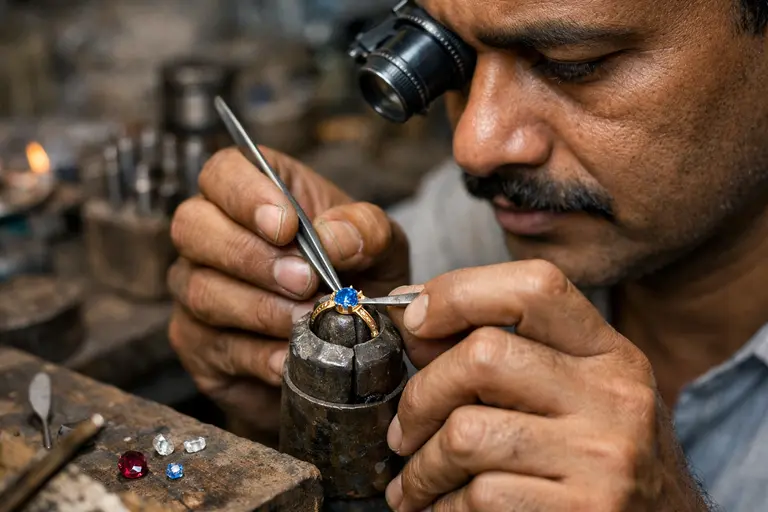
The gem and jewelry industry offers several career paths that naturally support focused, independent work. For instance, gemologists spend long hours examining diamonds and colored gemstones under magnification. Similarly, jewelry designers frequently work alone while creating digital models. Additionally, gemstone graders perform detailed analytical work in quiet, controlled settings.
Because these roles require immense patience and sharp attention to detail, people with misophonia can perform exceptionally well. This environment minimizes the “random” human noises that typically cause distress. Readers who want to explore gemological education can visit the Gemological Institute of America (GIA), the leading authority on gemstone grading. This career path is as much about managing a silver supply chain from mine to jewelry as it is about the quiet precision of the laboratory.
Watchmaking: A Path for Misophonia and Career Success
Watchmaking stands out as one of the most naturally comfortable professions for people with sound sensitivities. Watchmakers work individually at their benches, focusing on highly detailed tasks that require long periods of uninterrupted concentration. Furthermore, workshop sounds in a horology studio are typically mechanical and predictable rather than random.
Because predictable sounds tend to affect people with misophonia differently than sudden trigger sounds, many find the watchmaking environment easy to manage. Therefore, horology offers a genuinely rewarding path for anyone who values structured quiet. This is a field where the “hidden networks” of small gears mirror the that keep our world running. Consequently, the watch bench becomes a sanctuary of productivity.
Tech Roles: Driving Misophonia and Career Success
Today, the technology sector provides some of the most adaptable career options available. Software developers, data analysts, and cybersecurity specialists frequently work remotely on flexible schedules. Additionally, many technology companies rely heavily on written communication via platforms like Slack or email rather than constant in-person meetings.
As a result, professionals can design their own workspaces and completely eliminate exposure to common office triggers. Because of this built-in flexibility, technology careers consistently support misophonia and career success. Furthermore, using noise-canceling technology allows these workers to maintain a “digital mycelium” of connection without the physical irritation of sound. Readers exploring this path can find useful resources through CompTIA, a leading technology industry association.
Trading Gems: Misophonia and Career Success Strategies
Many people assume that international gem trading would be overwhelming for someone with misophonia. However, the reality is far more nuanced. Large wholesale markets can certainly be noisy; on the other hand, private trading and field sourcing often happen in smaller, quieter settings. For example, experienced traders can control their surroundings by arranging private viewings in hotel suites or closed offices.
Moreover, gemstone sourcing in mining regions involves natural sounds such as flowing water or wind. These “white noises” rarely trigger the same reaction as a clicking pen or a chewing colleague. Consequently, traders who structure their schedules thoughtfully can build lasting careers. They often act as industry sheepdogs in tech and jewelry, ensuring quality and order in a way that suits their sensory needs.
Workplace Support for Misophonia and Career Success
Public awareness of misophonia remains limited. Consequently, many individuals spend years struggling to explain their reactions to those around them. Fortunately, simple changes can make a significant difference. Choosing quieter meeting spaces, reducing unnecessary background noise, and offering remote-work options all help create more inclusive environments.
Employers should evaluate workers based on their skills and results rather than assumptions about their sensory sensitivities. When a company supports its employees, it creates a more resilient business model that values diverse cognitive styles. Therefore, advocacy and open communication remain the best tools for ensuring that misophonia and career success are achievable for everyone.
FAQ About Misophonia and Career Success
Can I mention my misophonia during a job interview?
In most cases, it is better to discuss “workplace environment needs” rather than a medical diagnosis. You can request a quiet desk or the ability to wear headphones as a way to maximize your productivity.
What are the best tools for managing triggers at work?
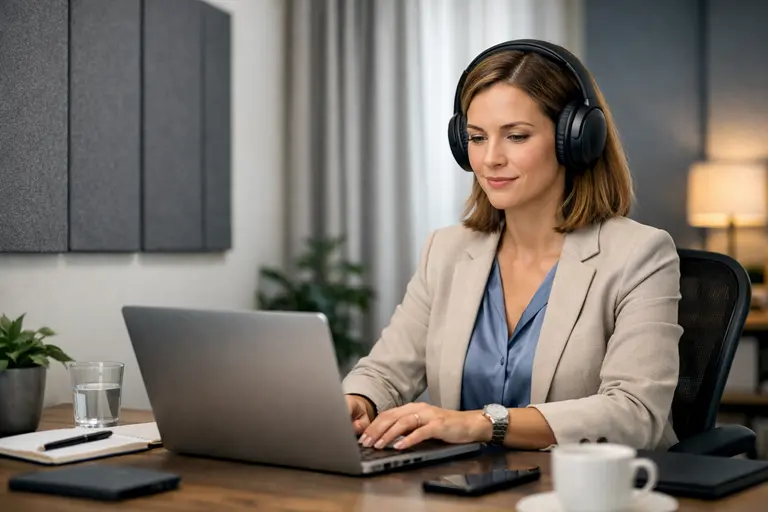
High-quality active noise-canceling (ANC) headphones and white-noise machines are the most effective tools. Additionally, many people use earplugs specifically designed to filter out mouth sounds while allowing speech to pass through.
Are there any jobs that people with misophonia should avoid?
Jobs with constant, unavoidable triggers—such as high-volume call centers or open-plan offices with communal eating—can be very difficult. However, with the right ear protection, even these roles are sometimes manageable.
Does misophonia qualify as a disability?
In some regions, severe misophonia can be classified under the Americans with Disabilities Act (ADA) or similar international laws. Therefore, you may be entitled to “reasonable accommodations” in the workplace.
How do I explain my trigger to a close colleague?
You should explain it calmly as a “neurological glitch” where your brain misinterprets certain sounds as threats. Most people are willing to help if they understand that the reaction is involuntary.
Disclaimer
This article is for educational and informational purposes only. The author has no financial affiliation with the medical organizations mentioned. Misophonia affects every individual differently. Readers should seek guidance from a healthcare professional regarding their specific condition before making major career or lifestyle changes.