Introduction to the Diamond Supply Chain Timeline
Most consumers assume that a gemstone spends several years traveling from a deep mine to a retail display case. While that estimate provides a rough idea, it does not tell the full story of the Diamond Supply Chain Timeline. In fact, the actual labor involved in cutting, polishing, and setting a stone moves far faster than most shoppers expect in 2026.
In reality, a rough crystal can transform into a finished engagement ring in as few as five to eight months. However, the total journey often stretches to two or even three years because diamonds spend large chunks of time sitting inside high-security vaults and trading offices before a customer makes a purchase. Therefore, the answer depends entirely on which part of the process you prioritize. You should also read our guide on gemstone buying mistakes to understand how recognizing quality protects you during this lengthy procurement process.
The Start of the Diamond Supply Chain Timeline
The Diamond Supply Chain Timeline begins when heavy machinery pulls a rough stone from the Earth’s mantle. Notably, mining companies do not immediately ship every stone to a factory for processing. Instead, they first sort the rough diamonds by size, shape, and potential clarity to determine their initial market value.
During this critical sorting stage, trained experts study the crystal structure for several weeks. This process typically takes one to two months to complete. Meanwhile, workers store the batches inside highly secure facilities while companies prepare them for global sale. For example, major producers like De Beers Group sell rough stones through scheduled events called “Sights.” Because these events occur only ten times a year, some diamonds wait in the supply chain for months before a manufacturer can purchase them. In other words, the clock starts ticking long before any artistic work begins.
Manufacturing in the Diamond Supply Pipeline
After a manufacturer successfully purchases the rough stone, it travels to a specialized cutting center. Today, craftsmen in Surat, India, cut and polish approximately 90 percent of the world’s diamonds. This makes the city the undisputed heart of the Diamond Supply Chain Timeline.
Technical Steps in the Diamond Journey
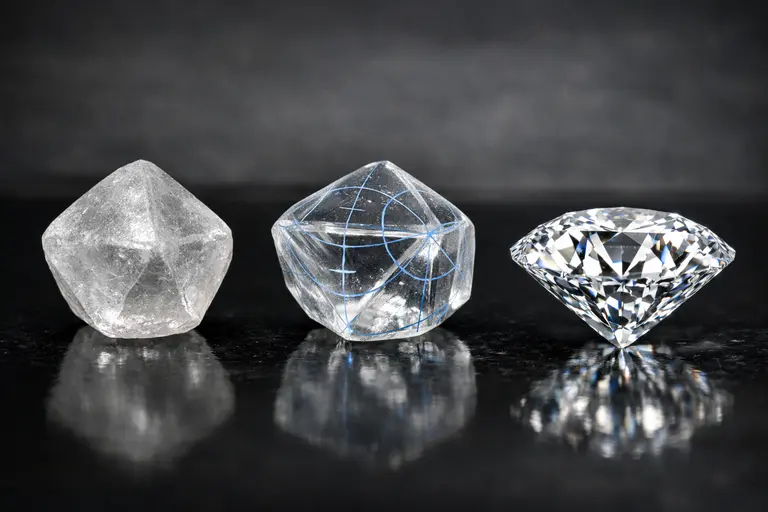
At this stage, skilled technicians utilize advanced laser scanners and computer mapping systems. They study the rough crystal from every angle to decide how to maximize its internal brilliance. Then, planning experts choose a cut that delivers the best balance of fire and carat weight. Next, master cutters shape and facet the stone with extreme precision. During this intense process, the diamond often loses up to 50 percent of its original rough weight. Depending on the complexity, this stage usually lasts between one and four months. To see the international standards for these facets, visit the Gemological Institute of America.
Certification within the Diamond Supply Chain Timeline
Once polishing is complete, the loose jewel moves to an independent gemological laboratory for grading. At this point, lab experts evaluate the stone using the industry-standard 4Cs. Organizations such as the International Gemological Institute (IGI) issue detailed reports that help you understand the quality of your purchase.
Additionally, many laboratories laser-inscribe a unique report number directly onto the diamond’s edge. Although the grading process itself may take only a few days, shipping delays and lab queues can extend this step to three weeks. Therefore, certification adds a brief but necessary delay to the Diamond Supply Chain Timeline. You may also read our article on Understanding BIS Hallmark to see how similar certification protects buyers of the gold and platinum settings.
Completing the Gemstone Delivery Timeline
After receiving its certificate, a wholesaler or jewelry brand finally purchases the polished stone. Consequently, designers select a specific ring style and prepare the metal setting. In some cases, manufacturers build custom pieces for individual clients, while others create stock for retail showrooms.
Skilled setters carefully mount the stone by hand before polishing the metal one final time. This manufacturing stage typically takes one to two months to finish. As a result, the full “active” production period usually falls between five and eight months. That is much shorter than most buyers imagine when they start their jewelry search.
Factors Extending the Diamond Supply Chain Timeline
Even though the mechanical production moves quickly, inventory delays slow the Diamond Supply Chain Timeline significantly. Specifically, three main factors cause the journey to stretch far beyond the eight-month mark.
First, wholesalers often hold stones in trading inventories rather than selling them immediately. For instance, if market prices weaken, dealers may wait for stronger economic conditions before releasing their stock. Second, luxury brands frequently operate on rigid seasonal schedules. Consequently, a finished ring may sit in a corporate vault until a specific holiday collection officially launches. Third, jewelry retailers experience much slower inventory turnover than most other consumer industries. A diamond ring can stay in a display case for a year while the jeweler waits for the right buyer. Consequently, a diamond might remain stuck in the broader pipeline for three years before you finally buy it.
FAQ: Understanding the Diamond Supply Chain Timeline
How long does the active cutting process take?
Most diamonds require between one and four months for professional cutting and polishing. Specifically, larger stones over 5 carats require more time for computer mapping and planning.
Why is Surat, India so important to this timeline?
Surat houses the world’s most skilled diamond labor force. Because the city processes 90% of global diamonds, almost every stone in your local jewelry store has passed through an Indian workshop.
Can I track the exact origin of my diamond?
Yes. Modern traceability systems like “Tracr” allow consumers to follow parts of the Diamond Supply Chain Timeline from the mine to the store using blockchain technology.
Does certification slow down the process?
Yes, but only slightly. The grading and shipping usually add two to three weeks to the timeline. However, this step is essential for verifying the stone’s market value.
Why do some diamonds stay in vaults for years?
Wholesalers and retailers often hold stock to manage market supply or wait for peak engagement seasons like Valentine’s Day or the December holidays.
Disclaimer
This article provides general educational information about the global diamond trade. Actual timelines vary based on mining output and retail demand. Individual diamonds may move through the pipeline faster or slower than the averages discussed here. The author has no financial affiliation with De Beers or any diamond retailers mentioned.