Introduction
Why do so many adults now spend evenings shrinking everyday life down to a few inches? Across the world, makers embrace a miniature making hobby to recreate kitchens, cafes, and corner shops in fine detail, blending craftsmanship, memory, and storytelling into one project. Meanwhile, social media has made this quiet art form easier to discover and share than ever before. Among the many scales miniaturists use, 1:12 holds a special place in adult dollhouse collecting. At this scale, one inch stands in for one foot in the real world. However, those who enjoy a miniature making hobby do not limit themselves to 1:12 alone; smaller and larger scales each serve different purposes depending on the subject, the available space, and the detail the maker wants.
If you are looking for a unique way to channel your creativity, mastering the art of making miniatures is a rewarding choice—and you can explore even more creative outlets in Beginner’s guide to craft hobbies.
Why Miniaturists Choose a Miniature Making Hobby
Miniature making hobby projects offer something rare: total control. In real life, people cannot easily rearrange an entire room. In a miniature scene, though, the maker decides exactly where every chair, book, cup, and picture belongs. As a result, this craft rewards close observation and careful decision-making. Cultural writers often link the appeal of miniatures to order, mastery, and closer attention to detail. That said, miniature making hobby work is not automatic therapy. For many, the true joy lies in the deep concentration and gentle escape that hands-on crafting provides—a perfect example of how flow states and craft hobbies go hand in hand to help you unwind.
Why Ordinary Life Inspires a Miniature Making Hobby
Today’s miniature art rarely depicts grand mansions or fantasy castles. Instead, makers increasingly recreate ordinary, even worn, environments. A cracked kitchen tile, a crowded shop counter, or a slightly damaged floor now plays a starring role in the scene. Consequently, imperfection often makes a miniature feel more real. A spotless room can look attractive, but small signs of daily use make a tiny world feel genuinely lived in. The internet has amplified this shift dramatically. Miniature food videos and domestic scenes, in particular, draw huge audiences online. What started as a niche craft has exploded into a global phenomenon, capturing the imagination of millions through trends like this viral miniature cooking channel.
How a Miniature Making Hobby Preserves Memory
Miniatures also give makers a way to preserve places that no longer exist. China offers a well-documented example. As redevelopment reshaped many rural communities, several artists began rebuilding demolished or altered family homes using old photographs, careful measurements, and memory. For instance, Chinese miniaturist Shen Peng built a 1:20 replica of his grandmother’s demolished childhood home. His project connected him with a wider community devoted to preserving vanishing homes, and other artists have since turned similar commissions into full-time work. Therefore, a miniature can become far more than decor. It can stand in as a physical reminder of a family, a childhood home, or a disappearing way of life.
Why 1:12 Scale Remains Popular in the Miniature Making Hobby
Miniaturists still favour 1:12 because it strikes a practical balance between size and detail. For example, a six-foot person shrinks to six inches, while a one-foot object becomes just one inch. This balance lets makers craft detailed furniture, food, and architectural features without needing a large display area. At the same time, the scale stays large enough to handle and construct comfortably with standard tools. However, calling 1:12 the only correct scale would mislead beginners. Miniaturists also work confidently in 1:6, 1:24, 1:48, and other scales, so the right choice always depends on the project and the maker’s own goals.
How the Miniature Making Hobby Connects to Jewellery
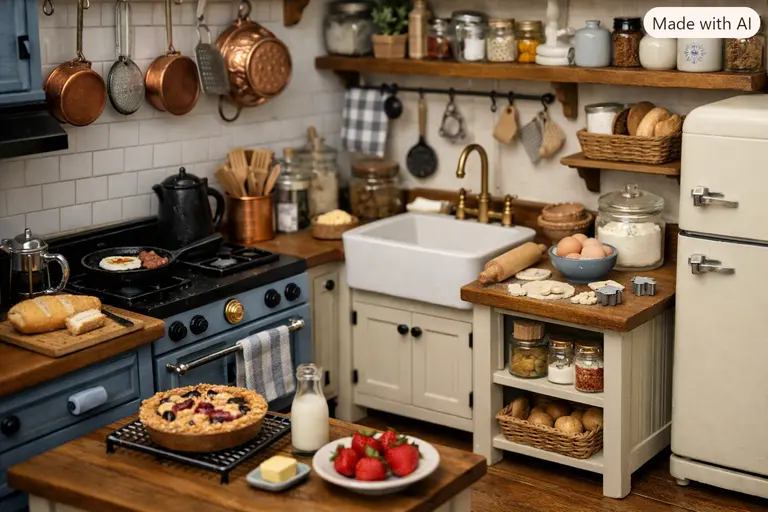
The miniature making hobby mindset naturally overlaps with fine jewellery. Jewellers already work with precision on tiny surfaces, so enamel painting, engraving, filigree, and detailed stone-setting share the same patience that miniature work demands. Similarly, artistic watchmaking turns a small dial into a miniature canvas. Métiers d’art watches often combine miniature painting with enamel and engraving. Food offers another accessible link. Makers build tiny meals, crockery, and kitchen scenes from polymer clay, resin, and wood. Meanwhile, miniature cooking videos show genuinely edible food prepared in tiny kitchens, a combination that thrives on social media.
Where Beginners Can Start a Miniature Making Hobby
Beginners do not need a formal degree to start. Instead, they can join local craft workshops, enrol in miniature-making classes, or follow online courses at their own pace. For example, a newcomer can first learn scale calculation and basic sculpting, then gradually add furniture making and painting. Online learning also opens the door for people who do not live near a specialist studio, so someone in a smaller town can build real skills before investing in advanced tools.
Frequently Asked Questions
Is 1:12 scale the only miniature scale?
No, it is not. Although 1:12 remains one of the most established scales in the miniature making hobby, makers also work confidently in 1:6, 1:24, 1:48, and other scales, depending on the project.
Is miniature making only for adults?
Not necessarily. People of many ages enjoy the craft, but tools such as knives, adhesives, resins, and soldering equipment can create real safety risks. Therefore, beginners should always follow safety guidance.
Can miniaturism become a full-time career?
Yes, for some dedicated makers. Success depends on finding the right market and combining craftsmanship with business skills. Commissions, architectural models, exhibitions, and online content generate income.
Disclaimer
This article explores miniature making as a craft, creative outlet, and cultural practice. References to concentration, escapism, or personal wellbeing describe possible experiences rather than medical or psychological guarantees. Similarly, commercial opportunities and prices vary widely between makers and markets, so readers should confirm current workshop availability, safety requirements, and pricing directly with the relevant organizer or maker. The author has no financial affiliation with the brands or organizations mentioned.