Introduction
Schaefer and Companions offer a fresh way to think about independent watchmaking in the modern era. Christophe Schaefer, a veteran of the Swiss watch industry, founded the Maison in Le Locle in 2024. He built the brand around artistic collaboration rather than mechanical complication alone. Instead of competing through highly complex movements or mass production, the brand puts human craftsmanship at the very center of every watch. As a result, independent “Companions” bring elite skills such as enamel work, micro-painting, engraving, and straw marquetry to the table. Meanwhile, the company supplies the watch architecture and coordinates the creative process. Therefore, Schaefer and Companions Watchmaking behaves more like a collaborative art house than a conventional manufacturer.
For the 99 percent of watch buyers, this model teaches an important lesson about value. Indeed, a luxury watch does not always need centuries of heritage or ultra-complex mechanics to justify its price. Instead, it can build immense value through unique design, specialized craftsmanship, and a direct relationship between the maker and the collector. By exploring the Schaefer and Companions Watchmaking philosophy, enthusiasts can learn how the industry is evolving beyond traditional labels. For more on how to vet high-value items, you can explore our guide to gemstone and luxury verification.
A Global Platform for Schaefer and Companions Watchmaking
The term “platform” describes how the company works, although the brand does not use this as an official marketing label. Instead, Schaefer and Companions presents itself as a house built around artistic freedom. Accordingly, Christophe Schaefer actively searches for authentic artists across the world to join his mission. Consequently, the brand keeps a recognizable watch architecture while letting each artist interpret the dial personally. Every timepiece becomes a meeting point between Swiss horology and international fine art.
This model allows the brand to remain agile. Because they do not rely on a massive internal staff of decorators, it can pivot between different artistic styles quickly. Furthermore, this approach gives visibility to artisans who often remain anonymous behind the scenes at larger Swiss firms. By placing the “Companion’s” name alongside the brand, Schaefer creates a transparent ecosystem that rewards the individual creator. To see how these watches compare to established icons, visit the official Schaefer and Companions website for current collection details.
The Artistic Dial in Schaefer and Companions Watchmaking
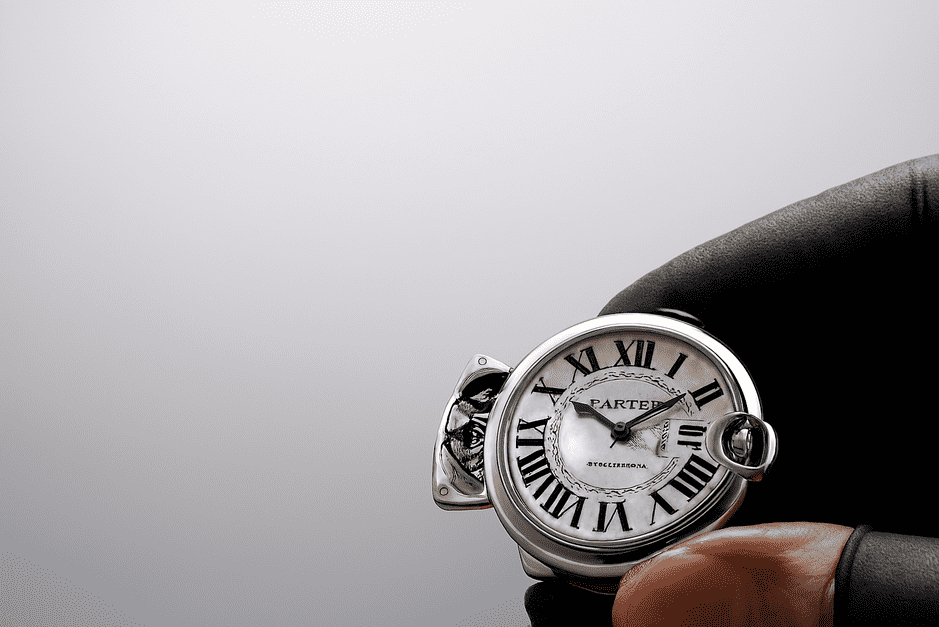
The Solune collection shows this artistic approach most clearly. For example, the Solune Medallion places a small artistic medallion at the six o’clock position, leaving the rest of the dial minimalist. In contrast, the Solune Grand Art hands the entire dial over to intense artistic expression. Thus, buyers can choose the level of métiers d’art that suits their personal taste.
The brand draws on a staggering variety of techniques to create these pieces. These include:
- Grand Feu Enamel: A high-temperature firing process that creates vibrant, eternal colors.
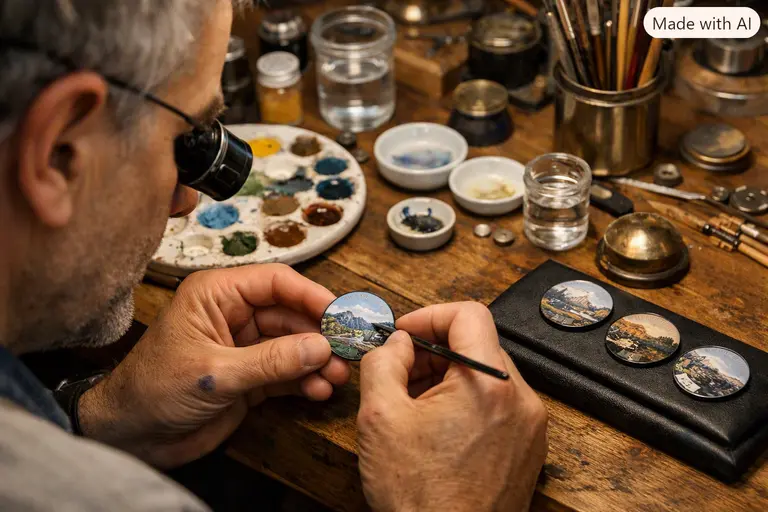
- Micro-painting: The use of single-hair brushes to recreate detailed scenes on a tiny scale.
- Straw Marquetry: The intricate arrangement of dyed straw to create geometric, light-reflecting patterns.
- Hand Engraving: Carving deep textures and scenes directly into metal surfaces.
Contributors to these projects include masters like Fabienne Remonnay, Sabine Aucoulon, and Boris Némitz. Consequently, the mechanical movement provides the necessary structure, while the dial supplies nearly all of the watch’s emotional character. This focus on the “face” of the watch reflects a growing trend where collectors value visual storytelling over invisible mechanical gears.
Scarcity in Schaefer and Companions Watchmaking
Schaefer and Companions also use limited production to sharpen its brand identity. For instance, the “Antarctica” project brought several Companions together to produce eight unique interpretations of the icy continent. Each was offered as a limited-series timepiece that would never be replicated. Nevertheless, buyers should always separate physical scarcity from long-term investment value. Scarcity only creates the possibility of collector interest; it does not guarantee it.
Ultimately, resale value depends on the brand’s growing reputation, the specific artist involved, and future market demand. Therefore, buyers should purchase these watches because they genuinely admire the design and the artisan’s skill. This “buy what you love” philosophy is a recurring theme in Schaefer and Companions Watchmaking.
Bespoke Schaefer and Companions Watchmaking Options
The Solune Creation programme takes this personalization even further. In this tier, customers discuss their ideas directly with the company and choose a specific artistic approach. The artisans then develop the dial around the approved concept. Importantly, every custom project begins with a deep conversation. The team checks whether the idea works both technically and artistically within the watch’s constraints. Once the project gains approval, the customer pays a deposit and the artisan begins the work. Consequently, the buyer becomes an active participant in the creative process. However, they must also accept a much longer production cycle than a ready-to-ship watch requires.
Labeling Schaefer and Companions Watchmaking
This point deserves close attention from collectors. Specifically, Schaefer and Companions Watchmaking relies on Swiss engineering expertise. The Solune Grand Art, for instance, utilizes a reliable ETA 2892-A2 automatic movement, a 904L stainless-steel case, and a high-quality sapphire crystal. However, buyers should not assume every element originates in Switzerland.
In fact, the company deliberately avoids the “Swiss Made” label on its dials. This is because artists from across the world create them. Christophe Schaefer believes that art knows no borders. If a master engraver in Japan or an enamelist in France creates the dial, labeling the watch purely “Swiss” would be disingenuous to the collaborators. Therefore, describing the brand as “Swiss watchmaking with an international artistic network” is much more accurate.
Buying Schaefer and Companions Watchmaking in India
At present, the brand’s showroom network includes partners in Geneva, Paris, Prague, and Getafe. However, they do not yet have an official Indian showroom. Nevertheless, this absence does not mean the brand has ruled out the Indian market. Instead, Indian buyers should contact the company directly to confirm ordering, shipping, and after-sales support protocols.
Moreover, this gap should not be mistaken for a lack of Indian artistic potential. India’s rich traditions in miniature painting, Meenakari (enameling), and intricate metal engraving could suit this collaborative model perfectly. Exploring Indian craft traditions reveals many skills that align with the “Companions” philosophy. Perhaps in the future, we will see an Indian artist featured in a Solune collection.
FAQ: Schaefer and Companions Watchmaking Guide
Does Schaefer and Companions sell watches in India?
Currently, they do not have a physical boutique in India. However, they accept international orders. Buyers should verify customs duties and shipping insurance before finalizing a purchase.
What movement is used in Schaefer and Companions watches?
Most models, like the Solune Grand Art, use the ETA 2892-A2 automatic movement. This is a highly reliable Swiss “workhorse” movement known for its slim profile and ease of servicing.
Are these watches considered “Swiss Made”?
While the movements and assembly are Swiss, the brand often omits the “Swiss Made” dial label to honor its international artists. This reflects a more transparent and global approach to luxury.
Can I commission a completely unique watch?
Yes, through the Solune Creation programme. You can work with the brand to select an artist and a theme, creating a one-of-one timepiece tailored to your vision.
What is the price range for these watches?
Prices vary significantly based on the artistic technique used. Hand-painted or enameled dials require hundreds of hours of labor, placing them in the high-end luxury bracket.
Summary of Schaefer and Companions Watchmaking Lessons
The biggest lesson from Schaefer and Companions Watchmaking is that modern luxury can be found in small, agile teams. You do not need the infrastructure of a global conglomerate to produce a world-class timepiece. By combining mechanical engineering with specialized global craftsmanship, a small house can produce distinctive pieces that stand out in any collection. For everyday buyers, the smartest approach stays simple: choose a watch because you value its design and its story. Ultimately, that principle applies to jewelry, gemstones, and every other collectible craft.
Disclaimer
This article provides general information only and does not offer financial, investment, or watch-servicing advice. Prices, availability, showroom networks, collaborations, and delivery timelines can change at any time. Readers should verify current details directly with Schaefer and Companions before purchasing. The author has no financial affiliation with the brands or organizations mentioned.