Introduction
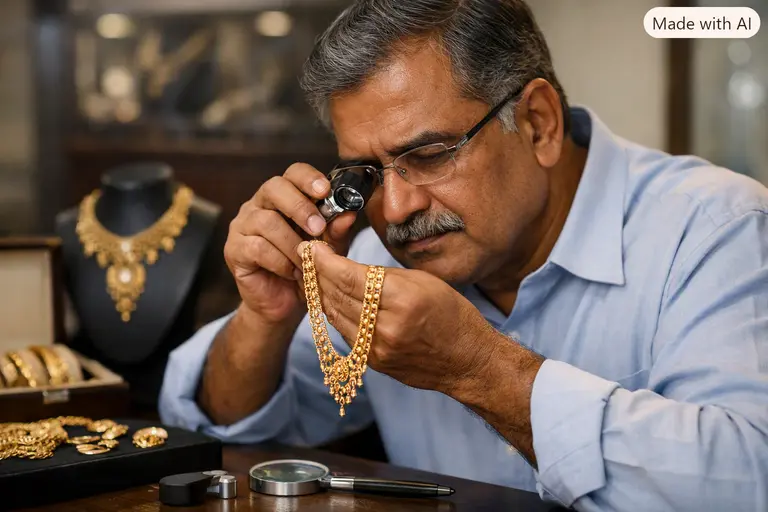
Building Jewelry Resale Trust India is essential for creating a fair marketplace, and Japan teaches the world a simple lesson in this regard: trust turns old jewelry into valuable assets. Because Japan combines licensing, professional inspection, and retailer reputation, a pre-owned luxury bracelet or a vintage platinum ring can compete confidently with brand-new pieces. Meanwhile, buyers do not merely purchase metal. Instead, they purchase craftsmanship, rarity, and documented condition. Consequently, by focusing on these same standards, India can transform how its citizens view the value of their heirlooms.
Consequently, to build Jewelry Resale Trust India does not need to copy Japan’s every move. Rather, India can intelligently adapt these trust-building principles to create a stronger, fairer resale ecosystem for ordinary families. By moving beyond the “melting value” mindset, India can unlock the hidden potential of its household gold reserves. In this guide, we explore how regulation and technology can transform the Indian resale landscape into a world-class marketplace.
Japan’s Influence on Jewelry Resale Trust India
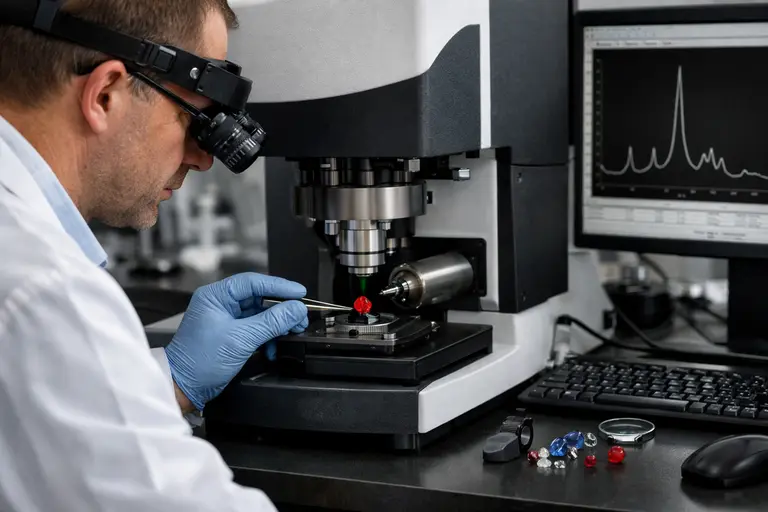
First of all, Japan builds absolute trust long before any money changes hands. Licensed dealers must follow strict regulatory rules, and many retailers add their own multi-step authentication layers on top of these requirements. Additionally, private organizations such as the Association Against Counterfeit Product Distribution (AACD) work tirelessly to keep counterfeit goods out of the secondary market.
As a result, Japan’s system never depends on a single, isolated safeguard. Instead, rigorous regulation, technical expertise, and brand reputation reinforce each other. Consequently, buyers can confidently verify if a piece is genuine and determine exactly what condition it holds. This layered approach is the foundation upon which Jewelry Resale Trust India must be built. For more on how to identify quality stones, you can read our guide to gemstone identification.
Core Principles for Jewelry Resale Trust India
India already owns the right foundations to revolutionize its jewelry market. Specifically, the Bureau of Indian Standards (BIS) already runs a sophisticated hallmarking system. Consumers can currently verify a piece’s HUID through the BIS Care App by checking the metal purity and the assaying center details.
However, while a HUID confirms purity and identity, it does not currently record ownership history or gemstone authenticity. Because of this information gap, India needs a broader system that links digital identity with resale history. Building Jewelry Resale Trust India requires moving from simple purity checks to comprehensive “jewelry passports” that document the entire life of the piece.
Legal Frameworks for Jewelry Resale Trust India
Similarly, the Consumer Protection Act of 2019 gives Indian buyers a strong legal framework for dispute resolution. Therefore, the real opportunity lies not in writing new legislation, but in making the existing system easier for ordinary people to navigate. As pre-owned jewelry sales grow, transparency in documentation will prevent legal disputes before they even begin. You can learn more about these requirements in our article on BIS hallmarking basics.
Standardized Reporting for Jewelry Resale Trust India
Second, India must learn to treat the “condition” of a piece as vital information rather than a reason for judgment. In Japan, a repaired clasp or a professionally replaced stone does not automatically reduce a piece’s worth. In fact, for antique items, original wear can sometimes increase desirability among collectors.
Therefore, clear, standardized condition reports help buyers compare pieces intelligently. For Jewelry Resale Trust India to flourish, the industry should adopt a tiered descriptive system. By using labels such as “Excellent,” “Restored,” or “Worn,” sellers can provide the transparency that modern consumers demand. This shift helps the term “pre-owned jewelry” replace the older, less flattering label of “second-hand gold.”
Digital Solutions for Jewelry Resale Trust India
Practically speaking, India can combine BIS data with simple, accessible digital records. Imagine if each valuable piece carried a unique QR code. This code could link directly to its HUID, high-resolution photographs, gemstone certificates, and even its repair history.
Because most buyers care more about trustworthy information than the underlying technology, a simple QR code is far more effective than complex mentions of blockchain. Furthermore, this digital identity ensures that the value of the piece stays with the item, regardless of who owns it. This portability of trust is essential for high-value transactions between private individuals.
Affordable Access to Jewelry Resale Trust India
Above all, any new trust system must stay affordable, or it will inevitably fail the average buyer. While expensive branded pieces might receive extra forensic authentication, everyday gold jewelry needs a simpler, low-cost purity check.
In this way, protection reaches every income level, not just the top one percent of collectors. By offering “micro-authentication” services, small independent jewelers can participate in the Jewelry Resale Trust India movement. This keeps the market inclusive and prevents large corporate chains from monopolizing the resale trade.
FAQ: Mastering Jewelry Resale Trust India
Is Japan’s resale market truly free of fakes?
No single market can guarantee a 100% counterfeit-free environment. However, Japan’s combination of strict licensing and industry oversight substantially lowers the risk compared to other regions.
Will HUID eventually track gemstone quality?
Currently, HUID focuses on metal purity. However, there is a growing demand for a unified system that also includes gemstone reports from accredited laboratories like the GIA or IGI.
Does Jewelry Resale Trust India help small businesses?
Yes, absolutely. By providing small jewelers with standardized digital tools, they can prove the authenticity of their stock to new customers who might otherwise only trust large brands.
Why is “Condition” so important for resale value?
Condition determines the immediate wearability of the piece. A “Mint” condition item commands a premium, while a “Restored” piece offers a more affordable entry point into luxury.
How can I verify a seller’s reputation in India?
Furthermore, buyers should look for BIS-registered jewelers and check online reviews. In the future, a central database of “Trusted Resale Partners” could further simplify this process.
Conclusion
Ultimately, documentation lets a buyer sell their jewelry confidently at a later date. This is because the next buyer will not need to start the authentication process from scratch. Still, the industry must never sell resale as a guaranteed investment.
Instead, India should promote this system as a tool for value preservation. When trust is standardized, a vintage bracelet or an heirloom necklace can retain value far beyond its simple melting price. Consequently, fewer meaningful pieces of Indian heritage will disappear into the furnace. By building Jewelry Resale Trust India, the nation can turn its massive gold holdings into a dynamic and transparent economy.
Disclaimer
This article discusses consumer protection and possible future market developments. It does not constitute legal, investment, or gemological advice. Regulations and hallmarking requirements can change. Readers should verify current requirements with the relevant Indian authorities before buying or selling high-value jewelry. The author has no financial affiliation with the labs, brands or organisations mentioned.