Gemology

Wishful thinking in gem identification leading to costly mistakes

Wishful Thinking in Gem Identification: Avoiding Costly Mistakes

Introduction Wishful thinking in gem identification is one of the most dangerous traps in gemology. When you want a stone to be valuable, confirmation bias can blind you to evidence that proves otherwise. This guide explains how to avoid the costly mistakes that come from desire overriding discipline. Is Wishful Thinking the Most Dangerous Trap […]

Wishful Thinking in Gem Identification: Avoiding Costly Mistakes Read More »
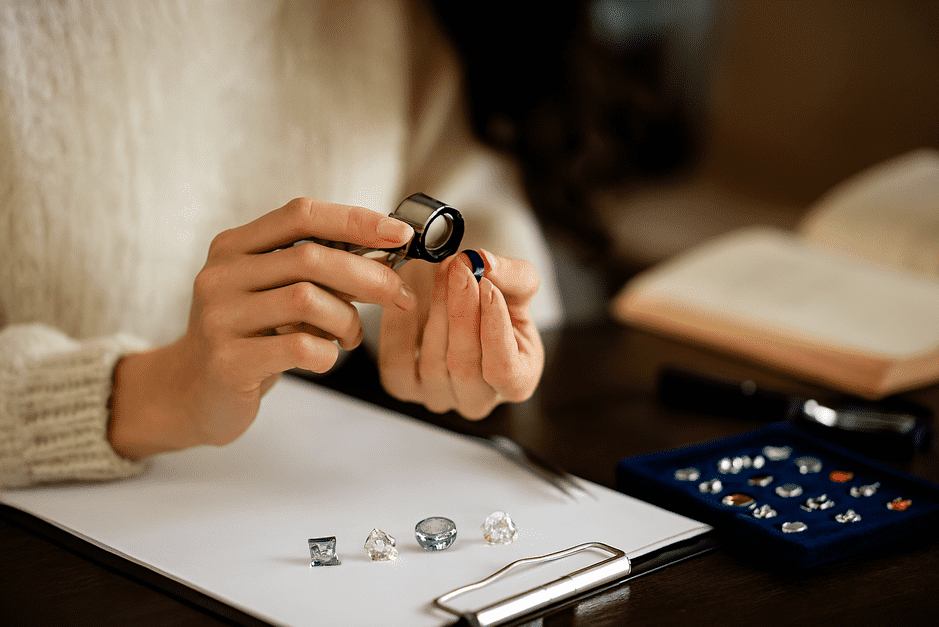
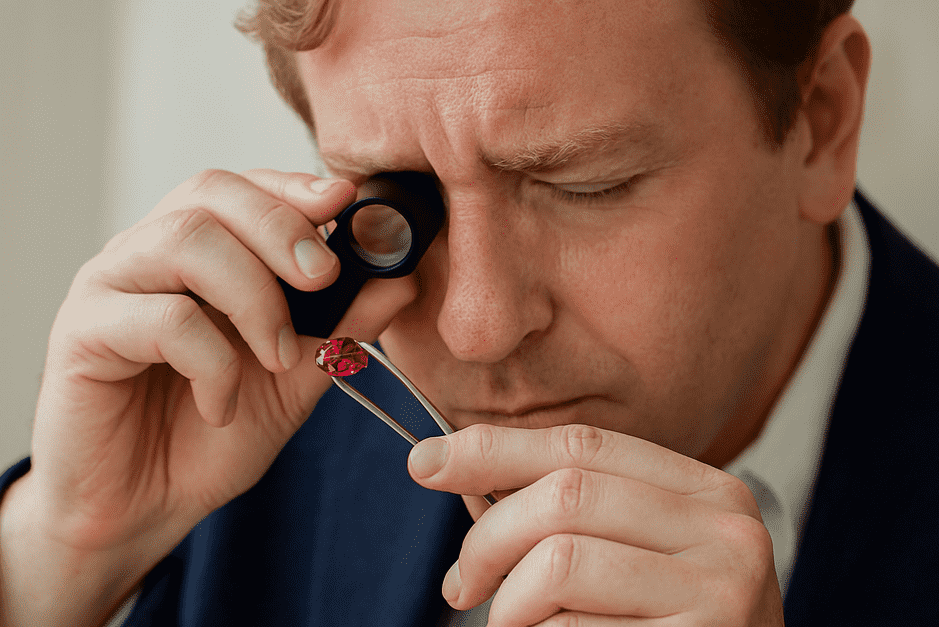
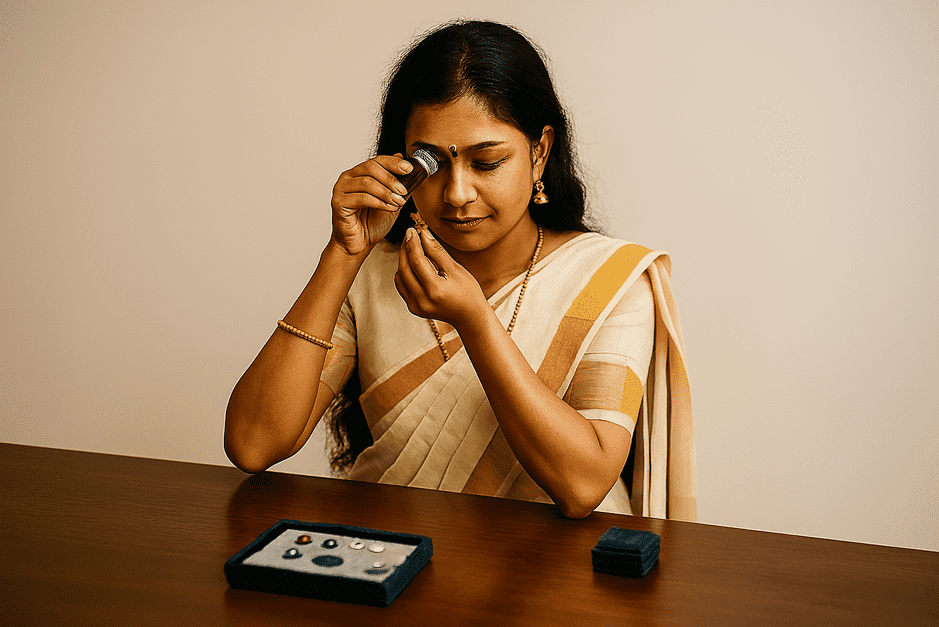
Gemology mistakes: gemologist examining stones under magnification

Gemology Mistakes: Why Every Error Is a Lesson

Introduction Gemology mistakes happen to every beginner and even to seasoned experts. Instead of fearing them, you should see each mistake as part of your learning curve. In gemology, errors often lead to sharper skills, deeper knowledge, and stronger client trust. Why Gemology Mistakes Help You Grow The key is that every mistake has a

Gemology Mistakes: Why Every Error Is a Lesson Read More »

Close-up photo of mineral specimen with lighting, showing risks of online buying.

Buying Minerals Online: 3 Costly Mistakes to Avoid

Summary Buying minerals online offers convenience but also carries hidden risks. Many collectors lose money because they fall for misleading photos, vague descriptions, or unclear return policies. This guide explains the top three mistakes buyers make and how to avoid them, ensuring safe and smart mineral purchases. Introduction Buying minerals online seems simple. It saves

Buying Minerals Online: 3 Costly Mistakes to Avoid Read More »

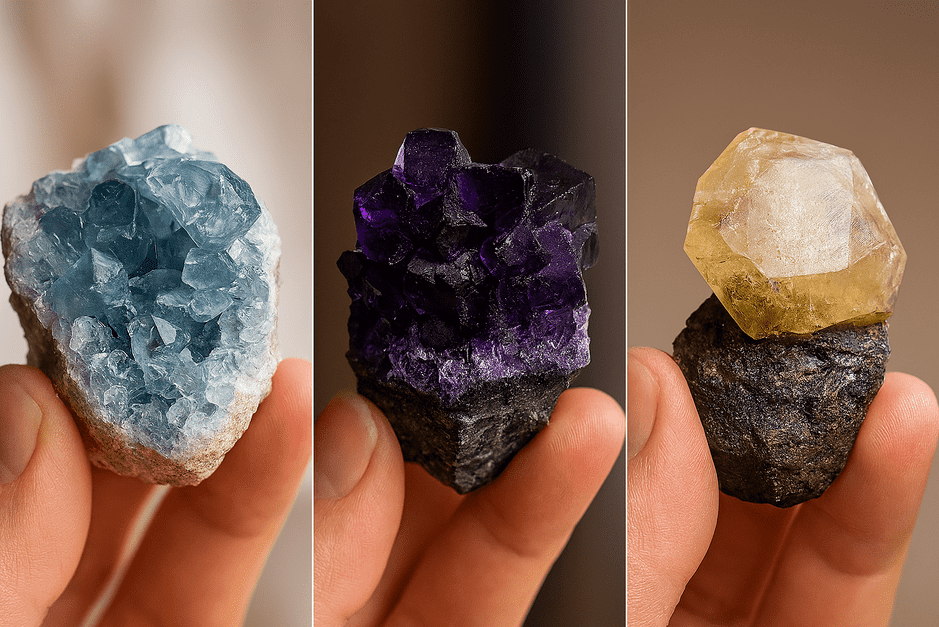
Dyed quartz mimicking amethyst with visible color concentrations in cracks

Dyed Quartz Identification: Spotting Fakes in Amethyst and Citrine

SummaryDyed quartz often imitates amethyst and citrine. Learn how to identify color concentrations, uneven saturation, and bright synthetic hues with simple loupe inspection and expert signs. Quartz: The Master of Disguise Dyed quartz identification is a skill every gem enthusiast and jeweler should master. Dyed quartz often imitates amethyst and citrine so convincingly that even

Dyed Quartz Identification: Spotting Fakes in Amethyst and Citrine Read More »

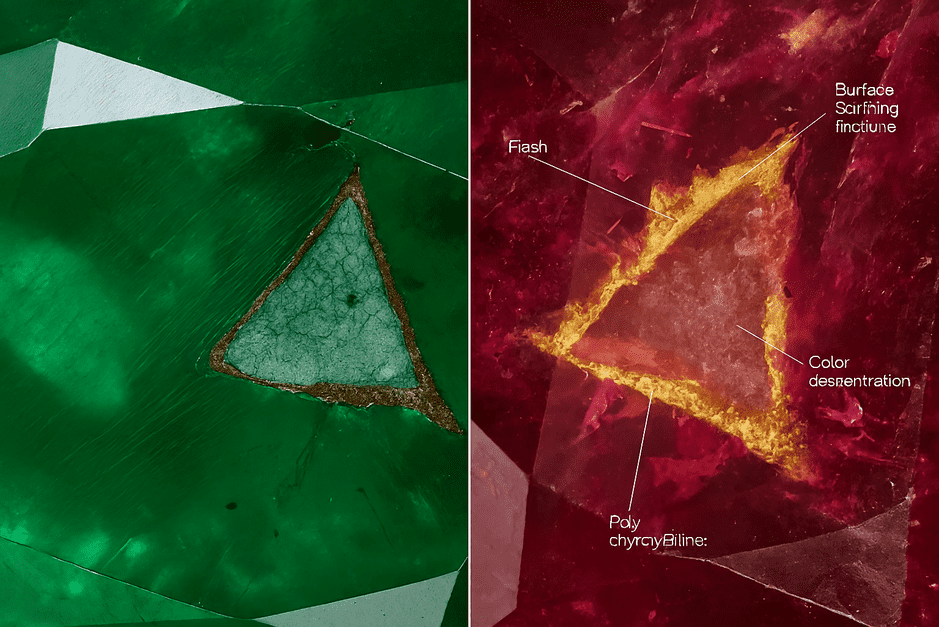
Fracture-filled emerald showing flash effect under loupe

Fracture-Filled Emerald Ruby | Spot the Flash Effect

Summary Many emeralds and rubies on the market are fracture-filled with glass or resin to improve their clarity. You can identify these treated gems by spotting the flash effect—bright color flashes seen through a loupe. This guide explains how fracture-filling works, how to detect it, and why it matters for gem buyers and collectors. Introduction

Fracture-Filled Emerald Ruby | Spot the Flash Effect Read More »

A gemologist examining a gemstone under a microscope, showing the importance of professional testing.

Knowing When You Don’t Know: Key Gemologist Skill

Summary In gemology, the wisest skill is humility. Knowing When You Don’t Know protects credibility, builds client trust, and keeps your science sharp. Introduction After 40 years in gemology, I’ve learned this truth: Knowing When You Don’t Know is your strongest professional skill.It’s not about memorizing data or mastering instruments—it’s about knowing your limits and

Knowing When You Don’t Know: Key Gemologist Skill Read More »

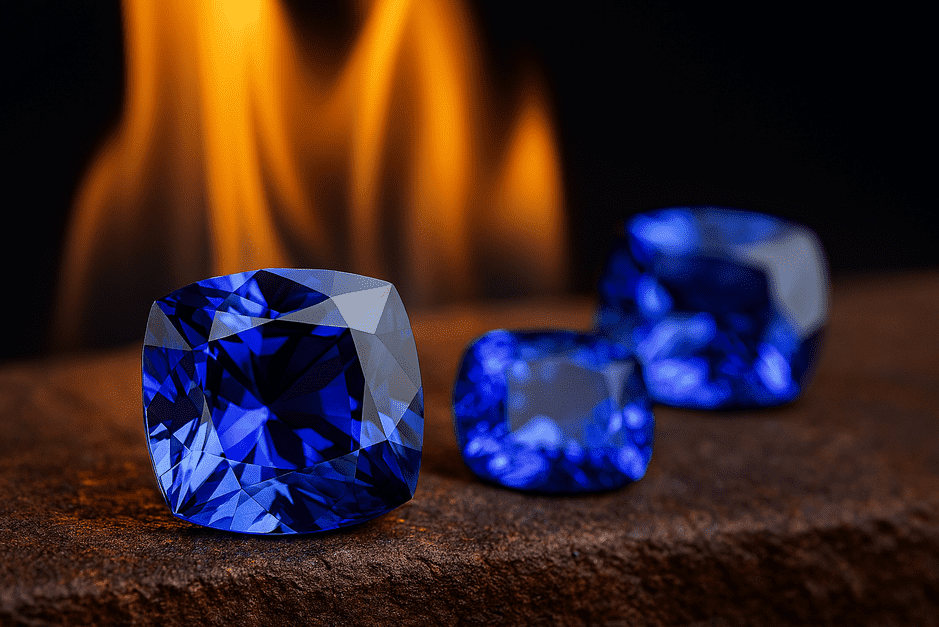
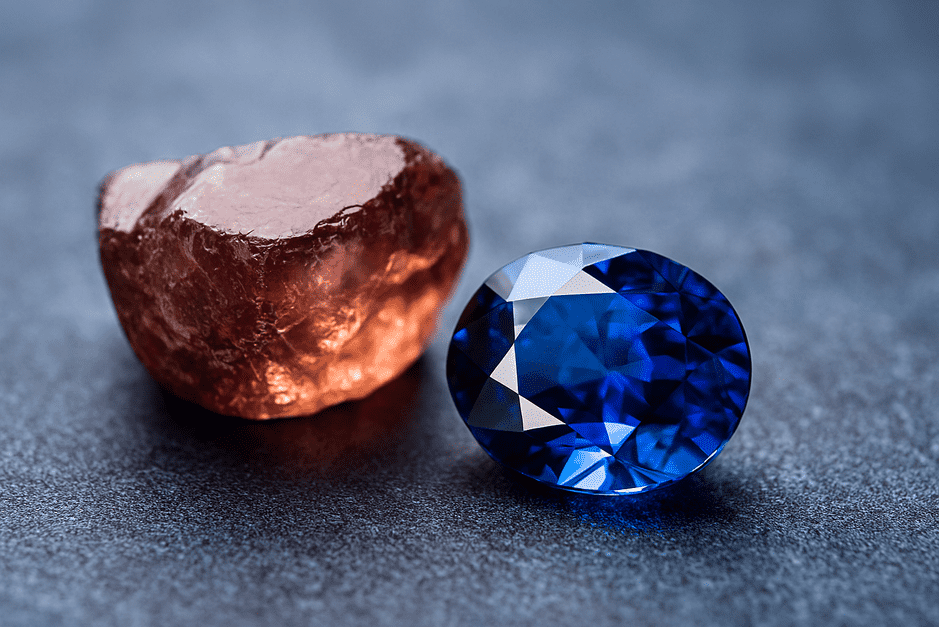
tanzanite gemstone after heat treatment showing vivid blue violet color

Why Tanzanite Is Heated — And Why It’s Perfectly Natural

Summary Almost every tanzanite on the market is heated to reveal its vivid blue-violet color. The process is permanent, stable, and globally accepted. Heating doesn’t reduce authenticity or value—instead, it it enhances the gem’s natural beauty, much like polishing perfects a diamond. Introduction When you first learn that heat treatment in tanzanite is standard, you

Why Tanzanite Is Heated — And Why It’s Perfectly Natural Read More »

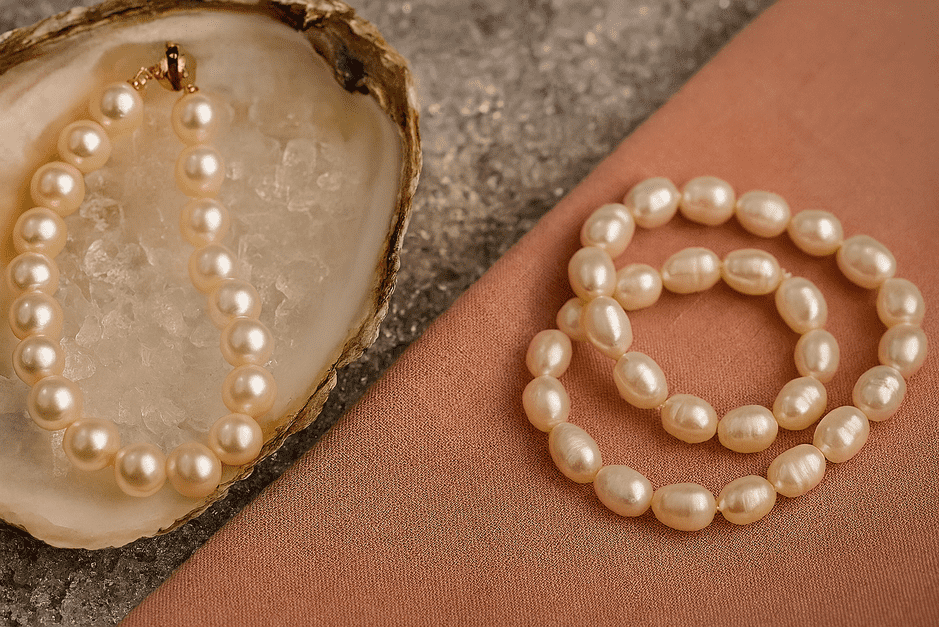
Learn the difference between saltwater and freshwater pearls.

Saltwater vs Freshwater Pearls: Why They’re Not the Same

Most people assume all pearls are the same. However, saltwater and freshwater pearls differ significantly. Understanding these differences can save you from costly mistakes and help you choose the right pearls for your collection or jewelry. Natural Saltwater Pearls Almost all natural pearls you see today are saltwater pearls. They form in oysters along ocean

Saltwater vs Freshwater Pearls: Why They’re Not the Same Read More »

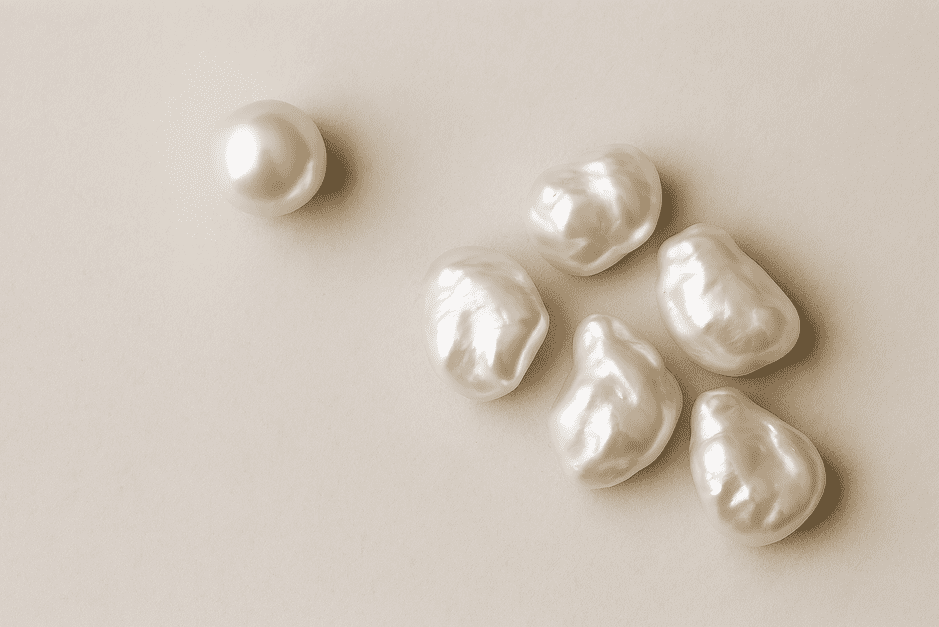
A close-up of natural pearls in various shapes—baroque, button, and drop—gleaming with subtle luster, showing their organic beauty and individuality.

Natural Pearls Shapes: Baroque, Button & Drop Explained

Summary Understanding natural pearls shapes helps buyers and collectors choose authentic, beautiful, and valuable pearls. Baroque, button, and drop pearls showcase individuality, while perfectly round pearls are rare and expensive. Introduction When buying pearls, knowing natural pearls shapes is crucial. Many buyers assume roundness equals value or beauty. However, natural pearls form organically inside mollusks,

Natural Pearls Shapes: Baroque, Button & Drop Explained Read More »

A vivid gemstone showing brilliant facets that enhance its deep color and sparkle.

Gemstone Cut Color Durability: How Cut Shapes a Gem’s Beauty

Summary:A gemstone’s color and durability depend greatly on its cut. This guide explains how gemstone cut color durability is linked through light behavior, windowing, extinction, and expert craftsmanship. Introduction When it comes to gemstones, gemstone cut color durability are inseparable. The way a gem is cut decides how it reflects light, displays color, and resists

Gemstone Cut Color Durability: How Cut Shapes a Gem’s Beauty Read More »