
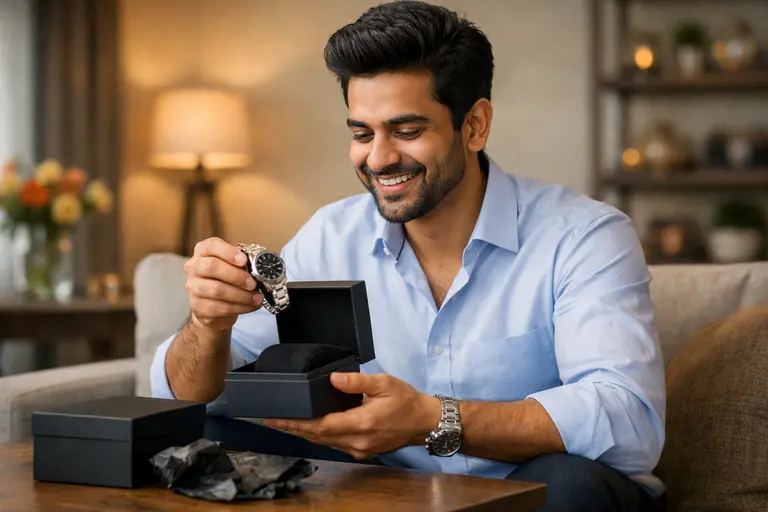
Introduction to Buying Emotional Value in India
Buying habits are currently shifting across the globe, and the subcontinent is no exception. In China, many young shoppers now choose products that deliver “emotional value” instead of pure practical benefit. Similarly, urban India shows a matching shift. This movement follows broader consumer behavior trends where the psychological impact of a purchase outweighs the sticker price. Consequently, buying emotional value in India has become the primary driver for retail growth in 2026.
Today, many young Indians face intense job competition, rising urban costs, and constant digital exposure. As a result, they increasingly choose purchases that lift their mood or add meaning to their daily routines. Consequently, buyers no longer judge a product by price or material quality alone; instead, they also ask whether the item makes them feel happier, calmer, or more accomplished. This shift touches several high-precision industries directly. In particular, gems and jewelry, luxury watches, and travel now deliver real emotional returns to many consumers. To understand how businesses manage these high-value expectations, you can read our guide on industry sheepdogs in tech and jewelry.
Jewelry Choices and Buying Emotional Value in India
Indian families traditionally bought jewelry as a long-term investment or a wedding essential. Today, however, younger buyers are gradually broadening that tradition. Specifically, more young professionals now buy jewelry for themselves rather than waiting for a gift. For instance, a first salary or a major promotion often becomes the perfect reason to buy a light gold pendant or a pair of diamond earrings. Therefore, jewelry increasingly celebrates personal achievement rather than family obligation.
Moreover, many buyers now prefer designs suited to everyday life, such as minimalist pieces and raw diamond and Polki jewelry in India. In turn, jewelry has grown into a powerful expression of identity. Even so, trusted certification remains essential because real satisfaction grows only when buyers trust the authenticity of the stone. For those looking to invest, our guide on gold buying in India and how to buy gemstones offers practical advice. Furthermore, you can find the latest market data on the World Gold Council website.
Hospitality: Buying Emotional Value in India via Wellness
Hospitality has also become a strong source of emotional value, especially for young urban Indians. After demanding work schedules and constant digital connectivity, many people simply want a short break that restores their mental well-being. As a result, weekend staycations and wellness retreats have grown in popularity. More importantly, guests pay for far more than a simple room; they pay for quiet surroundings, attentive service, and uninterrupted time.
Therefore, hospitality brands increasingly compete on memorable experiences rather than square footage. For example, many resorts now offer digital-detox packages to help guests disconnect. This trend is a hallmark of building India’s global brands, where the service quality defines the brand’s global prestige. Furthermore, researchers at Deloitte Insights have noted that “experience-based spending” is now the fastest-growing segment of the Indian luxury market.
Food Trends and Buying Emotional Value in India
Food and drink offer one of the most accessible forms of emotional value. Unlike luxury cars or apartments, a good meal provides an affordable way to celebrate a small win or reconnect with friends. As a result, many young consumers happily spend on comfort rather than mere hunger relief.
Artisan Perks when Buying Emotional Value in India
Specifically, specialty cafés and artisan bakeries attract customers who seek unique surroundings. These spaces provide a “third place” between work and home where people find emotional respite. Additionally, the pay what you can restaurants in India model highlights how community and charity can provide emotional value to both the diner and the owner.
Tech Roles in Buying Emotional Value in India
Technology plays a dual role in this landscape. On one hand, it creates the stress that leads people to seek emotional value. On the other hand, it enables the discovery of these rewards. For instance, fintech platforms simplify the process of buying emotional value in India by offering easy payment solutions. However, consumers must remain cautious, as the impact of debt, divorce, and death on business shows how financial strain can quickly erase emotional gains.
Managing Debts while Buying Emotional Value in India
Although emotional value brings real benefits, emotional spending does not always stay sustainable. Today, many young Indians access credit cards and “Buy Now Pay Later” plans with ease. As a result, expensive purchases can look more affordable than they truly are. However, if a buyer leans too heavily on debt, the initial “happiness hit” of the purchase is quickly replaced by the anxiety of repayment.
The healthiest approach does not eliminate emotional spending; instead, it manages that spending through discipline. First, consumers should separate short-lived impulses from purchases that create lasting satisfaction. Next, they should build a monthly “joy budget” that allows for rewards without touching essential savings. This long-term thinking is one of the world’s oldest company lessons for Keralam, where durability and stability are valued above all else. For official data on household savings, you can visit the Reserve Bank of India (RBI) website.
FAQ About Buying Emotional Value in India
What exactly is “emotional value” in retail?
Emotional value refers to the psychological benefit a customer receives from a product, such as a feeling of pride, comfort, or belonging, which goes beyond the item’s physical function.
Why is buying emotional value in India trending now?
The trend is rising because the modern workforce faces higher stress levels. Consequently, people use their purchasing power to buy experiences and items that improve their mental state.
Can a cheap product have high emotional value?
Absolutely. A simple cup of tea at a favorite local stall or a handmade card can provide more emotional satisfaction than an expensive, impersonal luxury item.
Is emotional spending the same as impulsive buying?
No. Impulsive buying is often a sudden, unplanned reaction. In contrast, buying emotional value in India often involves a deliberate choice to invest in something that brings genuine, long-term happiness.
How do I know if I am overspending emotionally?
If your monthly EMI repayments for non-essential items exceed 15-20% of your income, you may be risking your financial security for temporary emotional gains.
Disclaimer
This article serves educational and informational purposes only. The author has no financial affiliation with the companies or brands mentioned. Consumer behavior varies by individual financial circumstance and personal preference. Therefore, readers should consult with a qualified financial professional before making significant investment or discretionary spending decisions. Data and trends reflect the market status as of July 2026.