Introduction to Nishiyama Onsen Keiunkan
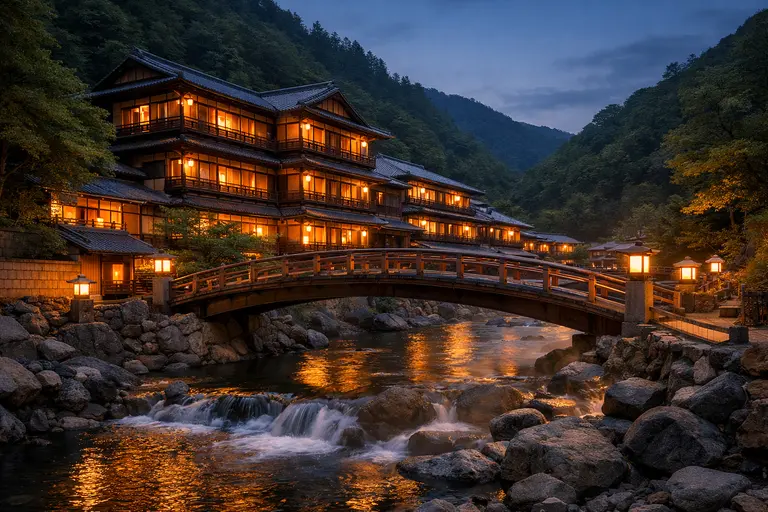
Most hotels close within a single generation. Furthermore, very few businesses of any kind survive for a full century. However, one small inn in Japan has remained open for over 1,300 years—and it still welcomes guests with the same grace today. Nishiyama Onsen Keiunkan sits quietly in Yamanashi Prefecture, surrounded by the Southern Alps and fed by natural hot springs. Specifically, in 2011, Guinness World Records officially recognized it as the world’s oldest continuously operating hotel.
Fujiwara Mahito founded the inn in 705 CE during Japan’s Keiun era. Since that time, the establishment has functioned as a sanctuary built around healing thermal waters. But this is not just a story about ancient times. Instead, it is a story about smart decisions, consistent values, and leadership lessons that any everyday business owner can actually use. You should also read our guide on gemstone buying mistakes to understand how quality and heritage standards apply to all high-value luxury experiences.
Hot Springs: The Foundation of Nishiyama Onsen Keiunkan
Nishiyama Onsen Keiunkan did not start its journey with a massive marketing budget or a globally recognized luxury brand. Instead, it started with something far more powerful—a natural hot spring that nobody else could move or copy. Fujiwara Mahito discovered the area’s mineral-rich thermal waters and built the inn directly over the source.
Today, the spring still flows vigorously, producing roughly 1,630 liters of naturally heated water every minute. This single resource gave the inn a competitive advantage that rivals could not replicate. Furthermore, the inn’s location has attracted notable historical figures over the centuries, including legendary patrons from the samurai era. As a result, the hotel became more than a place to sleep; it became a destination tied to physical healing and historical trust. The takeaway for everyday business owners is straightforward: identify the one thing you do that is genuinely hard to replace, then protect that asset fiercely. To explore more about Japan’s regional heritage, visit the Yamanashi Tourism Portal.
Nishiyama Onsen Keiunkan and the Art of Omotenashi
The hotel built its enduring reputation on omotenashi—the Japanese philosophy of wholehearted, anticipatory hospitality. In plain terms, omotenashi means serving your guests before they even realize they need assistance. Guests at Nishiyama Onsen Keiunkan do not simply pay for a room. Instead, they experience hand-crafted kaiseki cuisine, private hot spring baths, and service that feels deeply personal.
Importantly, this service philosophy survived thirteen centuries of radical change. Natural disasters, regional wars, and shifts in global travel habits all tested the inn’s resilience. Nevertheless, the spirit of sincere hospitality stayed constant throughout every crisis. Above all, this matters for small business owners everywhere. Customers remember how you made them feel far longer than they remember your specific price or your decor. Ultimately, consistency builds trust, and trust builds the type of loyalty that lasts for generations. You may also read our article on Understanding BIS Hallmark to see how consistency in quality creates long-term brand equity in other industries.
Modernizing the World’s Oldest Hotel
Many businesses today make one of two common mistakes. Either they refuse to change and fall behind, or they change so drastically that they lose what made them special. Nishiyama Onsen Keiunkan avoided both of these traps. In 1997, the inn underwent a major renovation that modernized its physical infrastructure. Later upgrades added private outdoor bathing experiences and contemporary room amenities.
However, the ryokan kept its traditional character intact throughout every single update. High-speed Wi-Fi and modern plumbing now coexist comfortably with traditional tatami floors and sliding paper doors. As a result, guests enjoy modern comfort without losing the sense of stepping into something ancient and meaningful. Therefore, the lesson for any professional is not to resist change. Instead, you should change intentionally. Always ask yourself: Does this upgrade make the customer experience better, or does it erase the reason why customers actually visit?
The Business Model of Nishiyama Onsen Keiunkan
The hotel operates just 37 rooms. Notably, the management does not chase high occupancy rates or mass-market volume. Instead, they focus on delivering an exceptional, intimate experience to a smaller number of guests and they charge a premium rate for it.
This model works because a smaller number of rooms allows for tighter quality control and more personal attention from the staff. Consequently, guests feel like they matter individually rather than feeling like one of thousands passing through a corporate lobby. In turn, this serves as a powerful reminder for everyday entrepreneurs: bigger is not always better. In fact, doing less for fewer people—and doing it exceptionally well—often builds a stronger and more sustainable business than trying to serve everyone at once.
Leadership Lessons from Nishiyama Onsen Keiunkan
Perhaps the most overlooked lesson from Nishiyama Onsen Keiunkan involves leadership transition. Over 52 generations, the inn passed its leadership through the strict shinise tradition. When biological heirs were unavailable, the inn utilized muko-yoshi—the cultural practice of adopting capable successors to keep the family line and the business running.
Then, in 2017, when no biological family successor remained, the inn adapted once more. Kenjiro Kawano, who had joined the hotel in 1984 as a repairman and worked his way up to the top, took over as the 53rd president. Crucially, while the owner changed, the mission and the culture stayed exactly the same. In fact, many small businesses collapse not because of bad products, but because nobody planned for what happens next. Plan your succession early, because the businesses that truly last are the ones that outlive their original founders.
FAQ: Nishiyama Onsen Keiunkan
Is Nishiyama Onsen Keiunkan really the world’s oldest hotel?
Yes, Guinness World Records officially verified its founding in 705 CE, making it the oldest continuously operating hotel on Earth.
Can international tourists stay at the hotel?
Absolutely. The hotel welcomes guests from all over the world. However, you should book several months in advance because they only have 37 rooms.
What is the best way to reach the hotel?
The inn is located in a remote part of Yamanashi. You can take a train to Minobu Station and then use the hotel’s shuttle bus or a local taxi to reach the mountain valley.
Are the hot springs shared or private?
The hotel offers both. Guests can enjoy large communal baths or book private, open-air baths that overlook the surrounding river and mountains.
Does the hotel serve vegetarian food?
Yes, but you must notify the staff in advance. Since they prepare traditional kaiseki meals with seasonal local ingredients, they need time to adjust the menu for dietary needs.
Disclaimer
This article provides educational information based on official records and historical accounts available as of May 2026. Always confirm current travel requirements and booking policies through the hotel’s official primary sources before planning a visit. The author holds no financial affiliation with the hotel.