Introduction
Will diamonds, colored gemstones and pearls last forever? Proper jewellery care is essential to ensure these treasures survive for remarkably long periods, as none is truly indestructible. Moreover, natural gemstones originate from finite deposits, and pearls require gentle, consistent handling. Therefore, understanding the specific properties of each material helps you avoid damage and buy with confidence. Please read our jewellery buying basics to gain more essential background on these materials.
Jewellery Care: How Long Do Diamonds Last?
Diamonds effectively symbolize eternity. However, science tells a more nuanced and fascinating story regarding their durability.
Why Diamonds Need Careful Jewellery Care
A diamond consists of pure carbon and ranks 10 on the Mohs hardness scale; consequently, it resists scratching better than any other natural mineral. Nevertheless, a sharp, well-placed knock can chip a diamond, particularly along its sensitive cleavage planes. In fact, graphite is the more stable form of carbon at the Earth’s surface. Still, diamond faces a massive energy barrier, so your ring will not spontaneously turn into pencil lead. However, extreme heat, such as that found in a house fire, can burn a diamond. Thus, handle your jewellery with extreme care. The GIA Diamond Care and Cleaning Guide explains the most practical steps for maintenance.
Sourcing Diamonds for Long-Term Jewellery Care
Natural diamonds form deep inside the Earth under intense pressure and heat, and many crystallized billions of years ago. Meanwhile, miners cannot replace these finite deposits within a single human lifetime. However, geologists may still discover new sources over time. Therefore, a finite supply does not necessarily mean that natural diamonds will vanish from the market soon.
Essential Jewellery Care for Colored Gemstones
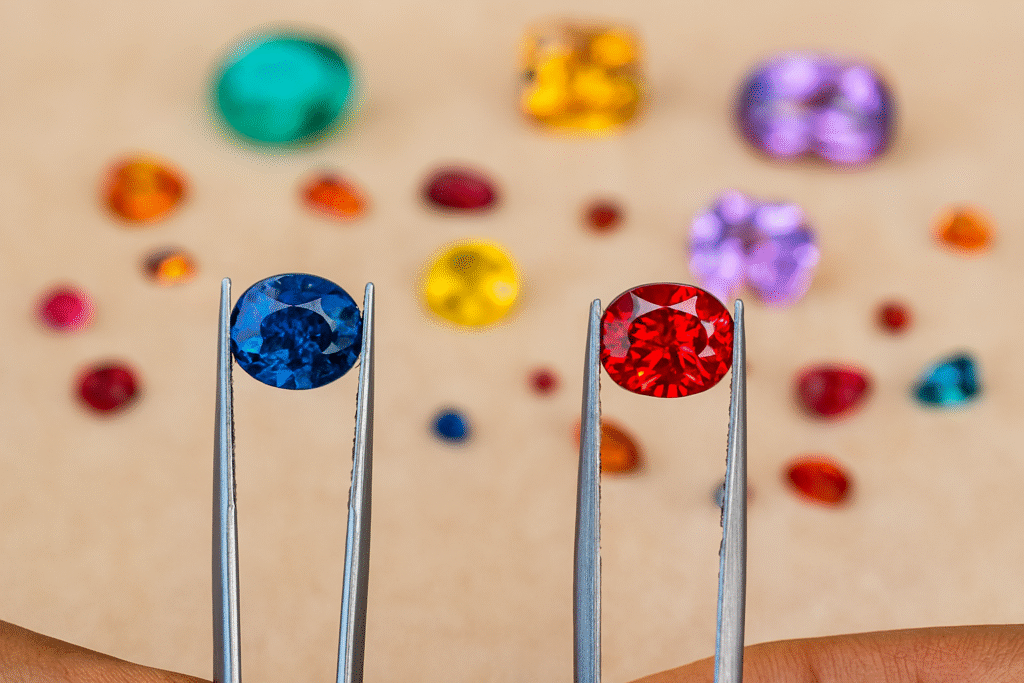
Unlike diamonds, colored gemstones differ widely in terms of hardness, toughness and chemical stability. As a result, their potential lifespan depends heavily on their specific mineral structure, natural internal features and previous treatments.
Specific Jewellery Care for Rubies and Emeralds
Rubies and sapphires belong to the corundum family, so their hardness suits everyday jewellery designs. Even so, sharp impacts can damage these stones. Emeralds require extra care because most contain natural internal fractures. In addition, jewellers commonly fill these fractures with oil or resin to improve clarity. Heat can extend these fractures, while ultrasonic and steam cleaners can weaken the stone or push the filler out entirely. Therefore, clean emeralds with warm soapy water and always ask a qualified jeweller for professional advice. The GIA Emerald Care and Cleaning Guide explains these technical details.
Rarity vs. Value in Jewellery Care Planning
Natural gemstones come from finite deposits, but rarity alone does not guarantee a high resale price. Instead, color, clarity, size, treatment, origin and market demand all shape the final value. For example, collectors prize a Kashmir sapphire or Burmese ruby for its documented origin. Nevertheless, even rare stones can prove difficult to sell at the price you originally expect. Please see our gemstone value explainer.
Why Pearls Require Specialized Jewellery Care
Unlike diamonds and most colored gemstones, pearls form inside living molluscs. Their unique structure combines calcium carbonate, mainly aragonite, with organic material.
Protecting Pearls Through Daily Jewellery Care
Pearls are very soft, ranking about 2.5 on the Mohs scale, so they scratch quite easily. Furthermore, perfume, cosmetics, sweat, harsh cleaners and intense heat can damage their delicate surfaces. Over time, poor storage may leave pearls discolored, cracked or brittle. However, no single lifespan fits every pearl, because condition and care differ drastically. After wearing pearls, wipe them gently with a soft cloth. Then, store them in a soft pouch, away from direct sunlight, heat and sharp objects. Never use ultrasonic or steam cleaners on them. Also, check a necklace’s string regularly and have it professionally restrung when needed. The GIA Pearl Care and Cleaning Guide offers further helpful tips.
Practical Jewellery Care Lessons for Buyers
Maintain Jewellery Care Before Problems Start
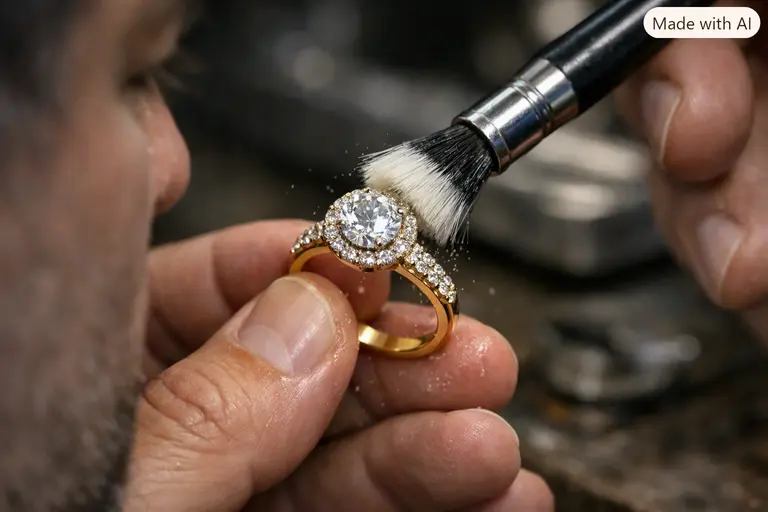
First, ask a professional jeweller to inspect clasps, prongs and settings regularly. Everyday friction wears down gold and platinum, so a loose stone can fall out even when the gemstone itself stays intact. Next, clean each piece according to its specific materials. However, pearls, emeralds, opals and treated stones always need special precautions. Our jewellery cleaning tips cover these basics.
Keep Records to Support Your Jewellery Care
For major purchases, always request a report from a recognized gemological laboratory. A report identifies the stone and lists all detectable treatments. However, a report does not guarantee future resale value. Therefore, store invoices, laboratory reports and photographs in a safe place. Also, ask the seller whether the stone is natural, laboratory-grown or treated. Laboratory-grown diamonds are real diamonds with essentially the same chemistry as natural ones. Nevertheless, their origin and price differ significantly. Consequently, compare price, appearance and purpose instead of expecting a financial return.
Become a Dedicated Custodian of Jewellery Care
Jewellery carries family memories and cultural traditions, so caring for it matters far beyond the initial cost. Above all, buy what you can comfortably afford and maintain it well over the years. In addition, consider repairing inherited pieces before you decide to buy new ones.
Frequently Asked Questions
Will natural diamonds eventually disappear?
Individual diamonds can survive for geological timescales, although physical damage remains possible. However, natural deposits are finite, and future discoveries may add to known resources.
Can colored gemstones last for generations?
Yes. With secure settings and gentle cleaning, many rubies, sapphires and emeralds pass through generations. However, emeralds need extra care.
Do pearls eventually deteriorate?
They can. Chemicals, heat, abrasion and poor storage all harm pearls. Nevertheless, lifespan varies significantly with condition and care.
Do natural gemstones always rise in value?
No. Rarity does not guarantee appreciation, because quality, treatments and market demand all influence the final price.
What is the most important jewellery care lesson?
Understand each material, protect it from avoidable damage and keep your documents. Consequently, your jewellery stays wearable and meaningful for years.
Disclaimer
This article offers general educational information about gemology and jewellery care. Therefore, consult a qualified gemologist or jeweller before you clean or repair valuable or delicate pieces. We cannot guarantee prices or future resale values. The author has no financial affiliation with the brands or organizations mentioned.