Introduction to Summer Jewelry Care Tips
Maintaining the brilliance of your gold and gemstones during the hot months requires specific summer jewelry care tips tailored to the Indian climate. High temperatures, extreme humidity, and constant perspiration often react with precious metals, causing them to lose their original shine. Additionally, common seasonal essentials like sunscreen, heavy moisturizers, and perfumes can settle into intricate settings and dull the sparkle of your favorite pieces. Therefore, adopting a consistent maintenance routine is essential for every household to protect their valuable heirlooms from environmental damage.
Fortunately, protecting your investment does not require expensive products or difficult routines. Instead, a few consistent daily habits, paired with gentle cleaning, help preserve both the appearance and value of your collection for years to come. Whether you wear a simple gold chain every day or save traditional pieces for grand weddings, thoughtful care makes a noticeable difference. For more detailed guidance, you may also find the article on how to clean jewelry safely at home helpful. In addition, the Gemological Institute of America (GIA) shares professional advice on maintaining gemstone integrity. By following these summer jewelry care tips, you ensure your treasures stay as bright as the day you bought them.
The Essential Rule of Summer Jewelry Care Tips
The easiest way to protect your jewelry starts with one simple habit: put it on last and take it off first. You should always apply sunscreen, moisturizer, perfume, and cosmetics before wearing any jewelry. Specifically, you must wait until these products dry completely on your skin. As a result, fewer chemical residues build up on your metals and gemstones, allowing them to keep their natural brilliance for longer.
Likewise, you should remove your jewelry as soon as you return home. This practice limits exposure to household sweat, kitchen vapors, and cleaning chemicals. Although this routine takes only a few minutes each day, it meaningfully reduces long-term wear on daily-wear pieces such as mangalsutras and wedding rings. This disciplined approach is a cornerstone of any effective summer jewelry care tips strategy.
Heat Protection and Summer Jewelry Care Tips
During the Indian summer, jewelry faces several environmental threats simultaneously. Perspiration leaves behind salts and body oils that can react with alloy metals. Furthermore, local swimming pools introduce chlorine, while coastal trips expose jewelry to saltwater and abrasive sand. Therefore, you should remove your jewelry before swimming whenever possible.
While pure gold does not react readily with chlorine, the alloy metals used in 18k or 14k gold can weaken over time when exposed to pool chemicals. Similarly, saltwater deposits can trap sand particles in settings, leading to microscopic scratches. Consequently, leaving your jewelry in a secure safe before a workout or a beach session remains the safest choice. For those interested in high-value asset protection, you can also read our guide on industry sheepdogs in tech and jewelry.
Gentle Cleaning for Better Summer Jewelry Care Tips
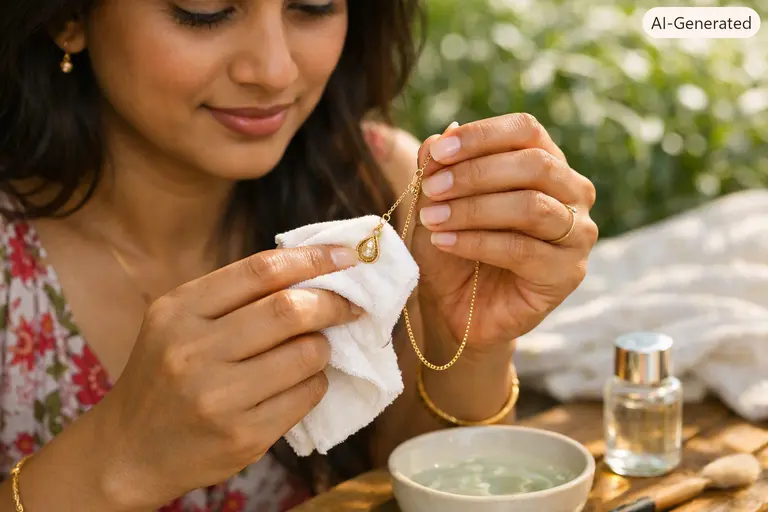
Regular cleaning removes dirt before it becomes stubborn. First, you should wipe your jewelry with a soft microfiber cloth after every outdoor excursion. This simple habit clears away sweat and dust before they dull the polished surface. Next, if a piece touches seawater, you must rinse it with fresh, filtered water and pat it dry immediately.
For most solid gold and diamond jewelry, a weekly soak in warm water with a few drops of mild soap works well. Afterward, use a soft-bristle toothbrush to clean around the settings before a final rinse. However, you must exercise extreme caution with porous stones like pearls, opals, and turquoise. These materials need much gentler care because they can absorb liquids, leading to permanent discoloration. Therefore, always check the specific instructions from your jeweler before applying moisture to delicate gems. This level of care is as vital as understanding the silver supply chain from mine to jewelry to appreciate the craftsmanship involved.
Traditional Styles and Summer Jewelry Care Tips
Traditional Indian jewelry often needs different handling than modern machine-made pieces. Specifically, Kundan, Jadau, and Polki designs often use natural lac resin and foil-backed settings. Excess moisture can seep into these layers, causing the foil to tarnish or the resin to loosen. Therefore, you should avoid soaking these pieces in water entirely. Instead, wipe them gently with a dry cloth and let them air dry naturally.
Silver jewelry also requires specific summer jewelry care tips because it tarnishes naturally when it meets sulfur in the air. High humidity during the pre-monsoon season accelerates this process. By wiping your silver with a specialized polishing cloth and storing it in an anti-tarnish pouch, you can slow down oxidation considerably. Separating silver from other metals during storage also prevents accidental scratching. This focus on material health is a key lesson we can learn from the world’s oldest company lessons for Keralam.
Monsoon Storage and Summer Jewelry Care Tips
Storage becomes even more critical once the monsoon rains arrive. High humidity encourages fungal growth in boxes and speeds up the tarnish of base metals. You should choose a cool, dry spot away from direct sunlight. Furthermore, keep individual pieces inside a fabric-lined jewelry box rather than loose in a drawer.
Wrapping valuable traditional pieces in soft muslin cloth cushions them while still allowing some air circulation. You can also place silica gel packets inside your jewelry box to absorb excess moisture effectively. For more innovative storage ideas, you may enjoy the article on how to store gold jewelry safely at home. The American Gem Society also provides excellent resources for long-term mineral preservation.
Expert Advice for Summer Jewelry Care Tips
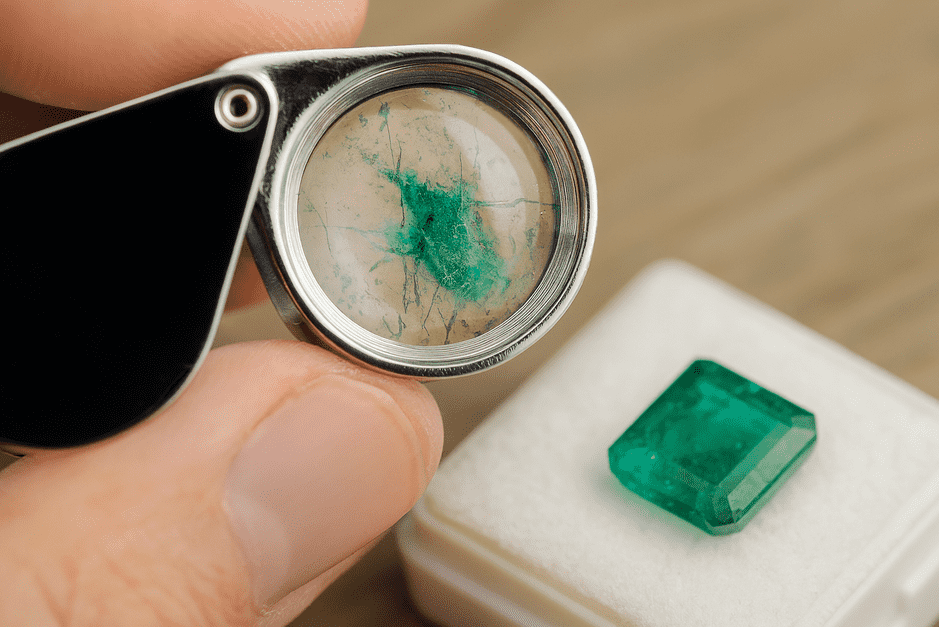
Even with careful home maintenance, you should have a qualified jeweler inspect your pieces every six to twelve months. Professionals can examine prongs, clasps, and settings under magnification to catch early signs of structural failure. Specifically, heat can sometimes affect the adhesives used in older jewelry, making stones more likely to fall out.
Early detection prevents costly repairs and the devastating loss of family heirlooms. This professional oversight ensures that your collection remains a source of pride for future generations. For more on the technical side of gemstones, visit the American Gem Trade Association (AGTA). Ultimately, these summer jewelry care tips empower you to take control of your collection’s longevity.
FAQ About Summer Jewelry Care Tips
Can I use lemon juice to clean my gold jewelry?
No. While lemon is acidic and might remove some dirt, it can also react with the alloy metals in your gold and damage sensitive gemstones. Stick to mild, pH-neutral soap and warm water.
Why did my silver turn black so quickly this summer?
High humidity and increased sweat levels provide more moisture for atmospheric sulfur to react with the silver. This creates silver sulfide, which appears as a black layer of tarnish.
Is it safe to store my jewelry in plastic bags?
You can use specialized anti-tarnish plastic bags; however, regular PVC bags can sometimes release gases that actually accelerate tarnishing. Soft fabric pouches are generally the safer option.
Does the sun fade the color of gemstones?
Yes, certain gemstones like amethyst, smoky quartz, and some topazes can fade if left in direct, intense sunlight for extended periods. Always store your jewelry in a dark, cool place.
Should I dry my jewelry with a hairdryer after cleaning?
No. Excessive heat from a hairdryer can cause certain stones to crack or expand, and it may weaken the metal. Always pat your jewelry dry with a lint-free cloth and let it air dry naturally.
Disclaimer
This article serves general educational purposes and does not replace professional gemological advice. Cleaning methods vary by stone and metal type. Always follow the manufacturer’s specific care instructions. The author has no financial affiliation with the organizations mentioned. Data reflects the situation as of July 2026.