Introduction to Biohacking for Healthy Aging
Most people want to stay healthy, sharp, and active for as long as possible. Therefore, many individuals are now turning to biohacking for healthy aging to optimize their daily performance and physical longevity. Professionals across many demanding fields—from jewelers and watchmakers to chefs and technologists—pay close attention to their daily habits to maintain their edge.
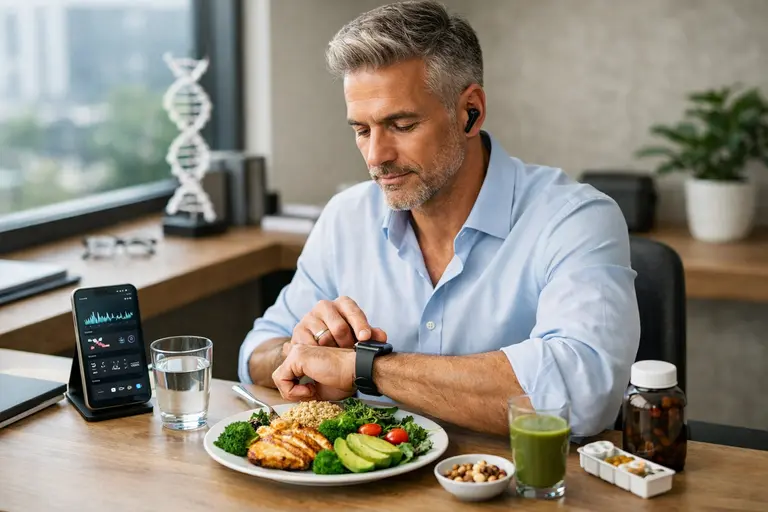
However, the term “biohacking” often sounds more complicated than it actually is. Many people mistakenly picture expensive gadgets, private clinics, or experimental drugs when they hear the word. In reality, most evidence-based biohacking focuses on simple, affordable habits. Better sleep, regular movement, balanced eating, and stress control form the real foundation of this approach. Moreover, the ultimate goal is not to live forever. Instead, the goal is to stay active, independent, and mentally clear for more years. Consequently, biohacking for healthy aging is not about adding years to your life; it is about adding life to your years.
Defining Biohacking for Healthy Aging and Longevity
Biohacking simply means making intentional changes to your lifestyle to improve your health and performance. While some methods carry strong scientific support, others remain experimental. For example, regular exercise, quality sleep, blood sugar control, and quitting smoking all clearly improve long-term health outcomes. On the other hand, many trendy biohacking products rely more on aggressive marketing than on rigorous science.
Therefore, it pays to separate proven strategies from flashy claims. Fortunately, you do not need expensive technology to get started today. In fact, many of the most effective biohacking habits cost little or nothing at all. To learn more about the institutional perspective on these habits, you can visit the National Institute on Aging (NIA) or explore global wellness guidance from the World Health Organization (WHO). By focusing on biology rather than just gadgets, anyone can begin their journey toward better health.
Why Professionals Invest in Biohacking for Healthy Aging
Many working professionals depend directly on specific physical and mental abilities to earn a living. For instance, gemologists and jewelers rely on sharp vision and steady hands. Similarly, watchmakers need exceptional fine-motor control and sustained concentration. This is why many pursue trade skills that stay ahead of AI in India, as these roles require human precision.
As a result, protecting their health means protecting their livelihood. Rather than searching for miracle solutions, these professionals focus on preventing damage before it happens. They invest in good lighting, proper ergonomics, and stress management. Furthermore, they understand how sensory environments impact work, much like how scent marketing in jewelry and watch stores impacts the customer experience. Consequently, these practical habits help them stay productive for many more years while avoiding the burnout common in high-stress industries.
Core Biological Pillars of Aging Well
Scientists actively study the biological processes behind aging, including inflammation, cellular damage, and metabolic decline. Although research continues to evolve, several principles appear consistently across successful studies.
Exercise and Physical Movement
First, regular physical activity remains one of the strongest predictors of healthy aging. Exercise supports the heart, muscles, bones, and brain. Furthermore, it significantly reduces the risk of chronic disease. You should combine strength training with cardiovascular activity to achieve the best results for your metabolic health.
Sleep and Cognitive Recovery
Second, quality sleep allows the body to repair and restore itself every night. During deep sleep, the brain flushes out toxins and consolidates memories. Consequently, good sleep supports memory, mood, immune function, and overall well-being. Therefore, prioritizing a consistent sleep schedule is a vital component of biohacking for healthy aging.
Nutrition and Stress Management
Third, balanced nutrition plays a major role in how well people age over decades. Diets rich in fruits, vegetables, legumes, whole grains, and healthy fats consistently produce positive health outcomes. Fourth, managing stress effectively matters more than most people realize. Chronic stress contributes to inflammation and cardiovascular disease. Therefore, relaxation practices and social connection reduce long-term health risks.
The Role of Supplements in Biohacking for Healthy Aging
Many biohackers use specific supplements such as lutein, zeaxanthin, magnesium, or omega-3 fatty acids. In some cases, these products offer real benefits for specific professional needs. For example, lutein and zeaxanthin actively support eye health, which matters greatly for jewelers and gemologists. This attention to detail is a hallmark of the Chow Tai Fook business model, where quality and trust are paramount.
Nevertheless, supplements cannot replace healthy lifestyle habits. They work best as additions to a strong foundation, not substitutes for one. Similarly, drugs such as metformin often appear in longevity discussions. However, researchers continue to study their effects in healthy individuals. Therefore, you should never take prescription medications purely for longevity purposes without strict medical supervision. While early research into NAD+ precursors looks promising, scientists have not yet proven that these products significantly extend human lifespan in broad clinical trials.
Prioritizing Healthspan Over Simple Lifespan
Many people focus exclusively on how long they will live. However, “healthspan” may matter even more than “lifespan.” Healthspan refers specifically to the years you spend in good health, free from chronic illness and disability. Consider two people who both reach the age of 85. One spends the final fifteen years managing serious illness, while the other stays active and independent. Most people would clearly prefer the second outcome.
As a result, modern longevity research increasingly focuses on quality of life. For a jeweler, this means preserving eyesight for intricate stone setting. Watchmakers, meanwhile, focus on keeping steady hands for delicate movements. Additionally, every other professional benefits from staying mentally capable for as long as possible. By adopting biohacking for healthy aging, we focus on maintaining our biological assets. This long-term thinking is similar to the world’s oldest company lessons for Keralam, where durability is the ultimate goal.
FAQ: Biohacking for Healthy Aging
Is biohacking for healthy aging scientifically proven?
Some practices, like exercise and sleep optimization, have massive scientific backing. However, newer interventions like cold plunges or specific longevity supplements require more research before they become standard medical advice.
Can a healthy diet replace the need for biohacking?
Actually, a healthy diet is a form of biohacking. By choosing nutrient-dense foods, you are “hacking” your biology to function at its highest potential and reduce systemic inflammation.
Do I need expensive wearables for biohacking?
No. While heart-rate monitors and sleep trackers provide useful data, they are not strictly necessary. You can monitor your own energy levels, mood, and recovery to make effective changes.
How does stress management impact aging?
Chronic stress keeps your body in a “fight or flight” state, which increases cortisol and inflammation. By managing stress, you allow your body to stay in a “rest and repair” state, which is essential for longevity.
What is the first step in biohacking for healthy aging?
The most effective first step is usually optimizing your sleep. Without quality rest, your body cannot benefit fully from good nutrition or exercise.
Disclaimer
This article is for educational purposes only and does not constitute medical advice. The author has no financial affiliation with the companies or organizations mentioned. Always consult a qualified healthcare professional before making significant changes to your diet, exercise routine, or supplement use. Scientific understanding of aging continues to evolve; therefore, individual health needs vary.