Introduction to Scent Marketing in Jewelry and Watch Stores
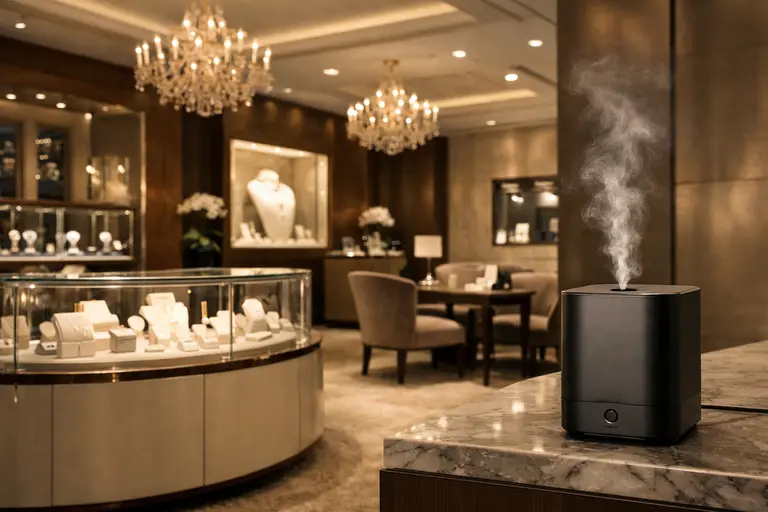
Have you ever walked into a jewelry store or a high-end watch boutique and noticed a faint, pleasant fragrance in the air? That scent is almost certainly not accidental. In fact, many businesses today utilize carefully chosen fragrances as a cornerstone of their planned marketing strategy. Scent marketing in jewelry and watch stores uses ambient fragrance to shape how customers feel the moment they step inside a showroom.
As a result, luxury retailers increasingly invest in signature scents that reinforce their brand identity and differentiate them from competitors. However, luxury jewelry and watch boutiques face a different set of challenges compared to fast-fashion retailers. Because their customers make high-value, deeply considered purchases, store owners must deploy fragrance with extreme precision. When businesses execute this correctly, they create a welcoming, sophisticated atmosphere. On the other hand, excessive fragrance can drive affluent customers away, trigger health sensitivities, or even damage sensitive organic products like pearls.
Sensory Branding and Scent Marketing in Luxury Retail
Businesses prioritize scent marketing because the sense of smell connects directly to the brain’s limbic system, which manages memory and emotion. Consumers often associate particular fragrances with specific luxury experiences or prestigious brands. Consequently, a pleasant scent can make a retail space feel more inviting and memorable than a sterile, unscented environment.
Furthermore, extensive research suggests that carefully selected fragrances may encourage customers to spend more time browsing. As a result, businesses hope to create a more relaxed and positive shopping environment that justifies higher price points. Nevertheless, fragrance alone does not guarantee a sale. Instead, it works as a subtle but powerful tool within a broader multi-sensory customer experience strategy. Understanding these nuances is vital, much like knowing the differences between master perfumers and gem graders in the luxury trade. For a deeper look at the science of smell, you can explore resources from the Association for Consumer Research.
Subtle Scent Marketing in Jewelry and Watch Stores
Luxury jewelry and watch purchases differ significantly from everyday impulse shopping. In most cases, customers spend considerable amounts of money and evaluate their options with great care. Therefore, luxury retailers generally avoid the overpowering, “sweet” fragrances that dominate mass-market clothing stores. Instead, successful boutiques follow a subtle, background approach to ambient scenting.
In other words, the scent supports the prestigious atmosphere without drawing conscious attention to itself. As a result, customers feel relaxed and comfortable while they discuss technical specifications or gemstone quality. At the same time, they stay focused on the intricate craftsmanship of the jewelry rather than the air around them. This understated approach reinforces the brand’s authority and ensures that the sensory experience aligns with the high value of the inventory.
Inventory Safety and Scent Marketing in Jewelry Stores
While scenting a showroom adds value, it also introduces chemical risks that retailers must manage. Specifically, the chemical composition of the fragrance can interact with certain materials. Diamonds, gold, and platinum are chemically stable; therefore, they tolerate ambient scenting without any issues. However, organic materials and treated gemstones require much more vigilance.
Pearl Risks in Scent Marketing Environments
Pearls require the most careful handling of all. Unlike diamonds, pearls are organic materials composed primarily of calcium carbonate. Consequently, the alcohol and essential oils found in many fragrance formulations can damage their delicate surface and reduce their natural luster over time. Therefore, retailers displaying pearls, coral, or amber must ensure that fragrance particles stay strictly airborne and never settle directly on the products.
Fragrance Safety in Luxury Watch Stores
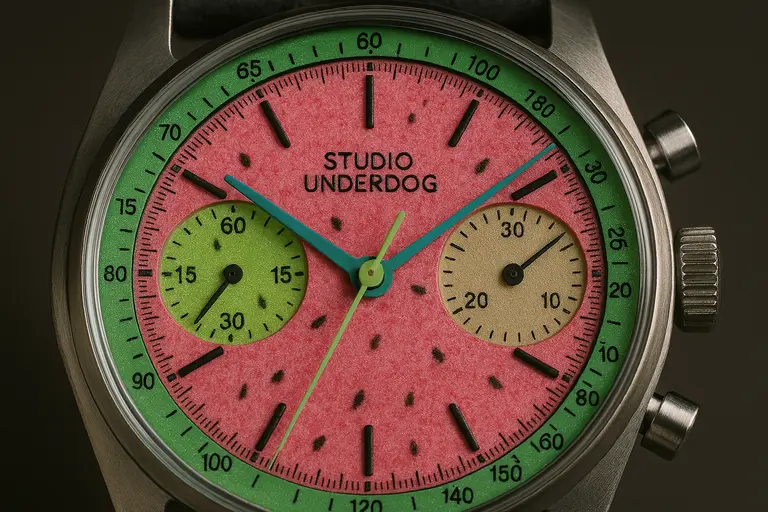
Similarly, luxury watch boutiques must consider their leather inventory. While woody or leather-based scents complement the heritage of a watch brand, excessive moisture or oils from a poorly calibrated diffuser could potentially stain high-end alligator or calfskin straps. Most professional-grade systems use “cold-air” nebulization, which converts fragrance oil into a dry mist. This technology prevents residue from settling on the movements or the straps, thus protecting the mechanical integrity of the timepieces.
Scent Marketing in India’s Luxury Jewelry Sector
The adoption of Scent marketing in jewelry and watch stores continues to grow steadily across the Indian luxury market. Today, many premium shopping malls in Mumbai, Delhi, and Bengaluru utilize ambient fragrance systems to maintain a cohesive brand feel. Moreover, many Indian businesses favor fragrance profiles that connect to local cultural traditions.
Sandalwood, jasmine, and vetiver remain highly popular choices because they evoke a sense of heritage and refined luxury. Additionally, oud-based scents are gaining traction in high-end boutiques because they signify wealth and sophistication. By incorporating these traditional notes into modern scenting technology, Indian retailers create an elegant atmosphere that resonates with both local and international shoppers. As a result, scent becomes an inseparable part of the brand asset, much like a logo or a signature color.
Health Risks of Scent Marketing in Retail Stores
Although scent marketing offers real branding benefits, poor execution can produce a negative reaction. For instance, some individuals experience migraines, asthma symptoms, or chemical sensitivities when they encounter strong fragrances. Consequently, a heavily scented store may accidentally push profitable customers away.
Furthermore, if a customer feels that a fragrance is excessive or manipulative, they may develop a negative perception of the brand’s honesty. Therefore, every scent decision should prioritize the comfort of the client. Retailers must match the fragrance profile to their specific product category to maintain credibility. For example, a heavy, spicy oud might suit a heritage watch boutique but would likely feel out of place in a minimalist diamond salon specializing in modern, light jewelry.
FAQ: Scent Marketing in Jewelry and Watch Stores
How do jewelry stores diffuse the scent safely?
Most luxury boutiques use professional HVAC-connected diffusers or standalone nebulizers. These devices use cold-air technology to turn fragrance oil into a dry vapor that does not leave a residue on diamonds or watches.
Can scent marketing in jewelry and watch stores affect diamond clarity?
No. Ambient fragrance does not affect the physical properties or clarity of diamonds. However, retailers must be careful with pearls and treated emeralds, as direct contact with oils can be harmful.
What fragrances work best for a watch boutique?
Watch brands often choose woody, smoky, or leather-based scents. These profiles evoke a sense of craftsmanship, heritage, and precision, which aligns perfectly with mechanical horology.
Is scent marketing legal in India?
Yes, scent marketing is entirely legal and widely used in India’s hospitality and luxury sectors. However, businesses must comply with safety regulations regarding the ingredients used in their fragrance oils.
How does scent marketing influence a buyer’s decision?
It works by creating a “halo effect.” When a customer feels comfortable and relaxed due to a pleasant scent, they are more likely to view the products as higher quality and the staff as more trustworthy.
Disclaimer
This article is for educational and informational purposes only. The author has no financial affiliation with any scent marketing or jewelry companies. Consumer responses to fragrances vary significantly. Individuals with chemical sensitivities should seek professional advice regarding their health concerns. Market practices and technologies may change over time; therefore, readers should consult industry experts for the latest information.