Introduction to Traditional Korean Ornaments
Traditional Korean ornaments are currently making a remarkable comeback in the global fashion arena. Once, people wore these intricate pieces only with royal robes or the classic hanbok. Today, however, fashion lovers prominently display them on high-end handbags, modern necklaces, denim jackets, and everyday hairstyles. This shift represents a broader movement toward “heritage chic,” where history meets the street.
The global rise of Korean pop culture explains much of this significant cultural shift. In fact, K-pop idols and historical dramas have introduced millions of viewers to the subtle beauty of Korean craftsmanship. Because skilled artisans now blend centuries-old techniques with minimalist design, these pieces appeal to anyone who values heritage and personal style. Furthermore, today’s shoppers want accessories that tell a genuine story instead of chasing a fleeting trend. Traditional Korean ornaments meet that demand perfectly because they combine ancient symbolism, manual artistry, and incredible versatility. To see how other cultures preserve their jewelry legacy, you can read our guide on Sanskrit gem knowledge and ancient trade.
The Historical Significance of Korean Accessories
Historically, Korean accessories functioned as more than just decoration; they symbolized prosperity, happiness, and social standing. Specifically, women used these items to communicate their identity within the strict social hierarchies of the Joseon Dynasty. Consequently, the materials and colors used in an ornament often indicated the wearer’s marital status or family lineage.
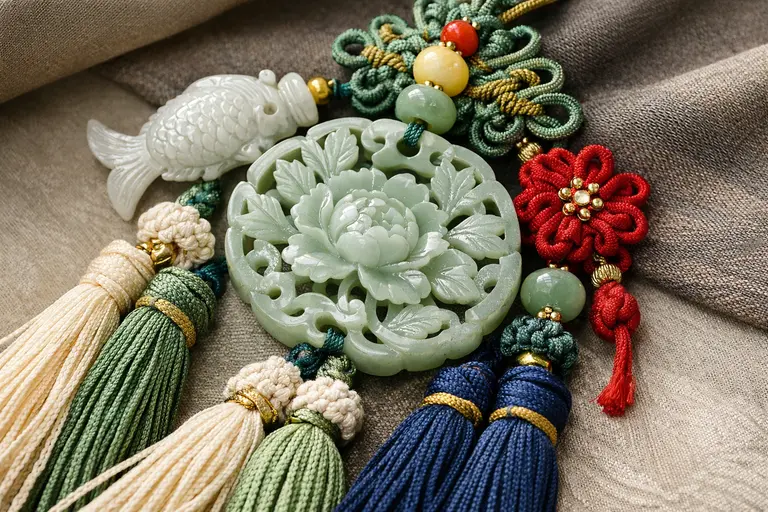
Artisans crafted these pieces using precious materials like jade, silver, amber, and coral. They also utilized maedup, the traditional art of decorative knotting, to create structural integrity and visual depth. This focus on craftsmanship is a core reason why these items have survived the test of time. Much like the Indian designers who choose raw diamond and Polki jewelry, Korean makers prioritize the natural character of the materials. By understanding the history, we can appreciate why these ornaments continue to inspire modern designers in 2026.
How the Hallyu Wave Boosts Traditional Korean Ornaments
The Korean Wave, or Hallyu, has sharply boosted global interest in Korean craftsmanship. Indeed, as Korean entertainment reaches new global audiences, curiosity about the traditional culture that underlies it continues to grow. K-pop performers often mix traditional design elements into their modern stage costumes, creating a visual bridge between the past and the present.
The Norigae: More Than Just a Pendant
The norigae is perhaps the most recognizable of all traditional Korean ornaments. Traditionally, women attached this decorative pendant to the goreum, or the ribbon of a hanbok. Today, designers give the norigae a new purpose. Instead of saving them for festivals, people wear them as handbag charms or as accents on their backpacks. Some artisans even transform them into bold statement necklaces. Because the norigae often features a sul (tassel), it adds a sense of graceful movement to any modern outfit. Consequently, it has become a favorite accessory for those who enjoy the “boho-chic” aesthetic.
The Binyeo and Dwikkoji: Elegant Hair Styling
Hair accessories like the binyeo (an ornamental hairpin) and the dwikkoji (a smaller decorative pin) are also trending. In previous centuries, the binyeo held elaborate hairstyles in place and indicated the wearer’s rank. In 2026, many people use sleek, binyeo-inspired pins to secure a simple bun while adding a touch of quiet elegance. These pins offer a practical and sustainable alternative to plastic hair accessories. Furthermore, because they are often made of wood or polished metal, they last significantly longer than mass-produced alternatives. This durability is a key lesson we can learn from the world’s oldest company lessons for Keralam.
Why Minimalist Design Wins Over Modern Buyers
Modern designers know that current shoppers prefer lightweight, comfortable, and versatile pieces. Therefore, many artisans simplify the intricate silk knotwork of traditional Korean ornaments without losing the underlying symbolic meaning. They also reduce the overall size so the pieces feel comfortable during a busy workday.
As a result, these ornaments now pair naturally with business attire, jeans, and formal evening dresses. Overall, this minimalist approach lets centuries-old craftsmanship stay relevant for a global audience. This transition is similar to how the Chow Tai Fook business model uses modernization to keep traditional gold retail fresh and accessible. By adapting to the needs of the 21st-century consumer, these ancient crafts ensure their continued survival.
The Growing Popularity of Korean Style in India
Yes, Korean-inspired fashion has grown steadily popular across India, thanks largely to the massive influence of K-dramas. However, Indian buyers rarely copy the style exactly. Instead, they creatively blend traditional Korean ornaments with sarees, kurtis, and Indo-Western outfits.
Korean-inspired pearl hairpins and minimalist claw clips now appear regularly in Indian colleges and offices. In addition, many buyers value these lighter pieces as an everyday alternative to heavy gold jewelry. Consequently, online retailers have made these accessories easier to find, letting shoppers find pieces that match any budget. This cultural exchange is a perfect example of the hidden networks in nature and business that connect distant markets through shared aesthetic values.
How to Identify High-Quality Korean Ornaments
Before you purchase traditional Korean ornaments, you should examine the materials and craftsmanship closely. For an authentic norigae, you must check the maedup knotwork. The knots should look symmetrical, firm, and neatly finished without any loose threads. Next, inspect the sul (tassel), which should hang naturally and consist of high-quality silk or rayon.
Additionally, sterling silver and quality gold-plated finishes generally last longer than cheap alloys. Therefore, you should buy from reputable artisans who share the symbolism behind their designs. You can also browse the National Museum of Korea to see authentic historical pieces for comparison. By choosing quality over quantity, you support a sustainable steel jewellery buying guide philosophy that prioritizes longevity and ethical production.
FAQ About Traditional Korean Ornaments
What is the most popular Korean ornament today?
The norigae is currently the most popular choice because it easily transitions from a traditional clothing accessory to a modern handbag charm or necklace.
Can men wear traditional Korean ornaments?
Absolutely. While many pieces were historically feminine, modern fashion has embraced gender-neutral styling. Many men now use maedup knots as keychain accents or buttonhole decorations.
Are these ornaments handmade?
Authentic high-end ornaments are almost always handmade. However, you should check product descriptions carefully, as mass-produced machine versions are also common in the “fast fashion” market.
What does the butterfly motif represent?
In Korean culture, the butterfly traditionally represents joy, free spirit, and marital harmony. It is a very common motif in both norigae and binyeo designs.
Do I need to wear a hanbok to use a norigae?
Not at all. In 2026, the trend is to pair these accessories with contemporary Western clothing to create a unique, multicultural look.
Disclaimer
This article serves general educational purposes only. The author has no financial affiliation with the brands or museums mentioned. Fashion trends and material availability vary by region. Always verify seller credibility and product materials before making a purchase. Individual interpretations of cultural symbolism may vary based on historical sources and regional traditions.