Introduction to the Top Shopping Cities in the World
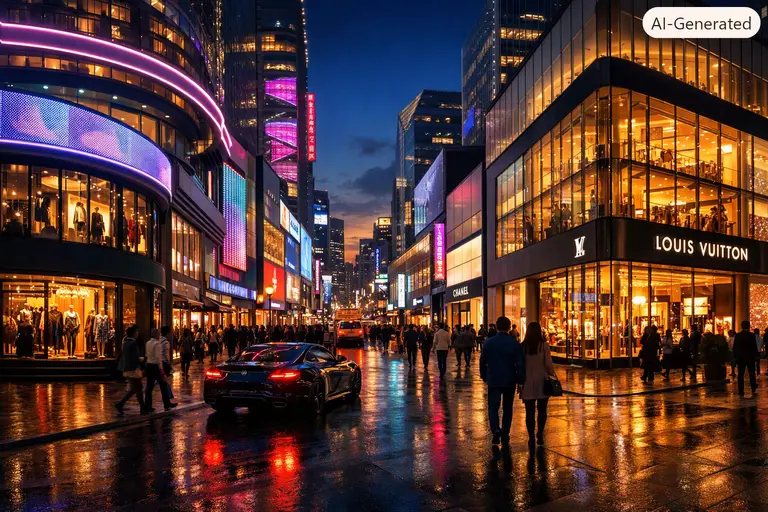
Shopping today reflects far more than simple buying and selling transactions. Instead, it reveals a city’s economic health, cultural depth, and lifestyle aspirations. Around the globe, several cities have earned recognition as the top shopping cities in the world for their vibrant districts and luxury boutiques. Meanwhile, other regions face instability that limits consumer activity.
However, no official single ranking measures “shopaholic” status. Instead, this article draws on respected sources such as the Julius Baer Global Wealth and Lifestyle Report and the Mastercard Economics Institute. Together, these organizations paint a balanced picture of the cities that stand out in 2026. Whether you seek high-street fashion or massive malls, these hubs shape the way we spend. Furthermore, India now occupies a unique position, blending traditional bazaars with a fast-growing digital economy. To see how specialized retail is changing in specific niches, you can read our guide on heritage walls in jewelry stores. By studying these hubs, we can identify how capital and culture intersect to create global influence.
What Turns a City Into a Global Shopping Destination?
A great shopping city offers much more than just floor space. Specifically, it must combine strong consumer confidence with world-class infrastructure and convenient transport links. Today’s leading hubs also blend physical stores seamlessly with digital platforms to provide a “phygital” experience.
Successful destinations create memorable experiences through dining and seasonal festivals. As a result, visitors often spend entire days exploring a district rather than making a single quick purchase. Experts evaluate these cities using indicators such as luxury brand presence, foot traffic, and disposable income. Consequently, the top shopping cities in the world are those that offer a high “experience value.” This concept is a core part of buying emotional value in India, where the feeling of a purchase is as important as the item itself. Therefore, a city must invest in its atmosphere just as much as its inventory to reach the top tier.
Reviewing the Asian Powerhouses: Singapore and Seoul
Singapore remains a titan among the top shopping cities in the world. Orchard Road remains one of the most recognized streets globally. Because of its tax-friendly policies and excellent connectivity, it remains a year-round draw for international tourists. Moreover, the integration of nature into retail, such as at Changi Airport, has redefined the shopping journey.
Similarly, Seoul has built perhaps the most advanced digital shopping ecosystem. Beyond traditional malls, Seoul pairs fashion with its booming “K-Beauty“ industry. Consequently, districts like Myeong-dong and Gangnam are major draws because they combine cosmetics, electronics, and entertainment in one place. Additionally, the rapid delivery systems in Seoul mean that tourists can shop in-store and have their goods arrive at their hotel within hours. This efficiency sets a high bar for other cities.
Dubai and the European High-Fashion Capitals
Tokyo continues to impress with its remarkable variety. While Ginza offers world-class luxury, Harajuku remains the heart of creative streetwear. In contrast, Dubai has become synonymous with “destination shopping” on a grand scale. The Dubai Mall attracts millions annually by offering fine dining and indoor attractions alongside high-end retail. As a result, many global brands choose Dubai for their most experimental flagship stores.
Meanwhile, Paris and Milan lead the world in high fashion and traditional luxury. Paris blends historic streets with legendary couture houses, while Milan’s Quadrilatero della Moda remains Europe’s most prestigious district. Finally, New York City stays influential through Fifth Avenue and SoHo. Major brands regularly invest in New York flagships to pilot new interactive experiences. These cities act as the industry sheepdogs of fashion, guiding global taste and ensuring quality standards remain high across the globe.
Cities Facing Significant Retail Challenges
While some regions thrive, others face serious obstacles that prevent them from becoming the top shopping cities in the world. We should not label these as “lesser” cities, as conflict and economic hardship are the primary constraints on their growth. For instance, Damascus has endured years of conflict that disrupted all luxury supply chains. Most activity there now centers purely on essential goods and local survival.
Similarly, Kyiv operates under the pressures of defense, where attacks on infrastructure affect consumer confidence. Meanwhile, Tehran faces high inflation and sanctions that force households to prioritize necessities. These examples prove that a thriving retail sector depends entirely on peace and economic stability. This long-term stability is a lesson we can learn from the world’s oldest company lessons for Keralam, where durability and consistent policy are the goals for any successful enterprise.
Why India is Joining the Top Shopping Cities in the World
Many wonder why Indian cities are only now entering the conversation about the top shopping cities in the world. The answer lies in India’s diverse and fragmented retail structure. Traditionally, neighborhood shops handled the majority of purchases. However, the rise of the “organized” sector is currently changing the landscape at a record pace.
India has become a leading digital commerce market thanks to the UPI system and quick-commerce apps. Even so, Delhi-NCR, Mumbai, and Bengaluru are attracting premium international retailers who see India as the next big growth engine. Rising incomes suggest that these cities will soon become leaders in the next generation of retail. This shift is clearly visible in the jewelry business ideas for Keralam, where digital consultations are becoming the norm. For official data on India’s retail growth, you should consult the Ministry of Commerce & Industry website.
FAQ About Top Shopping Cities in the World
Which city is currently the most expensive for luxury shopping?
Singapore frequently ranks as the most expensive city for luxury goods. This is due to high local demand, a strong currency, and a concentration of ultra-high-net-worth individuals.
Are the top shopping cities in the world safe for tourists?
Most premier shopping destinations like Tokyo, Seoul, and Singapore rank among the safest cities globally. These hubs invest heavily in security and tourist-friendly infrastructure to protect shoppers.
Does online shopping make physical malls obsolete?
No. In the top shopping cities in the world, malls are evolving into “lifestyle centers.” They now include cinemas, wellness centers, and fine dining to give people a reason to visit in person.
Can I get tax refunds in all these cities?
Most major destinations like Singapore, Paris, and Dubai offer VAT or GST refunds for international tourists. Therefore, you should always carry your passport while shopping to claim these benefits.
What is “phygital” retail in the Indian context?
It is a blend of “Physical” and “Digital.” For example, a customer might try on a ring in a Mumbai showroom but complete the purchase and customization through a mobile app for better pricing.
Disclaimer
This article is based on retail reports and economic projections available as of July 2026. The author has no financial affiliation with the shopping malls or brands mentioned. Rankings and market conditions vary; therefore, readers should consult official tourism boards for the latest travel and shopping regulations. Always verify store hours and tax policies before traveling.