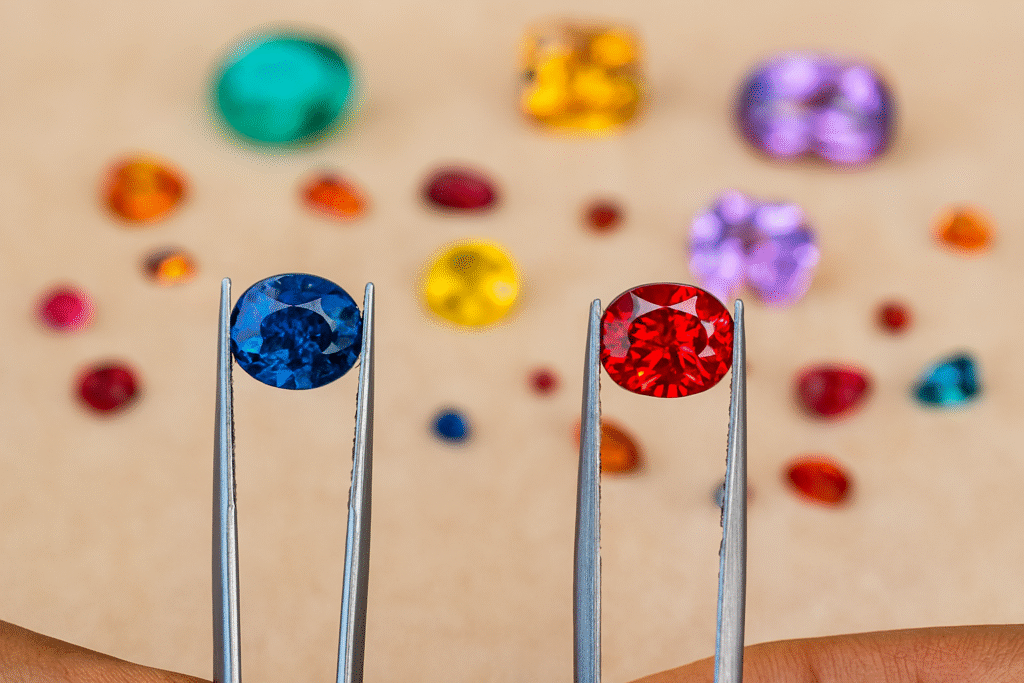

Introduction: How AI helps everyday buyers discover gemstones
Artificial intelligence currently transforms how consumers explore the global jewelry market. Today, search engines, social media algorithms, and online marketplaces introduce shoppers to stones that previously stayed hidden within exclusive trade circles. Because of this massive digital shift, AI helps everyday buyers discover gemstones that only seasoned collectors once recognized. These discoveries now reach ordinary consumers within seconds through personalized feeds.
However, popularity alone never proves rarity, physical quality, or long-term value. Although AI can introduce a specific gemstone to millions of people, it cannot change that stone’s natural chemical properties or guarantee future market demand. Therefore, everyday buyers must develop simple ways to separate solid facts from clever digital marketing. Meanwhile, AI speeds up gemstone education by summarizing complex data; nonetheless, buyers should always pair AI-generated insights with real gemological knowledge. This article explains how technology expands awareness of rare materials while helping you buy with confidence. To see how other high-end industries use similar systems, you can read our guide on industry sheepdogs in tech and jewelry.
Algorithms and AI helps everyday buyers discover gemstones
In the past, gemstone popularity depended heavily on large jewelry brands, physical trade shows, and celebrity endorsements. Consequently, only a handful of gemstones ever reached mainstream awareness. For decades, diamonds, rubies, and sapphires dominated public attention through expensive traditional advertising. Today, however, AI helps everyday buyers discover gemstones by analyzing visual preferences and search intent.
Search engines now expose shoppers to hundreds of “alternative” gemstones that were previously overlooked. Specifically, AI studies your search behavior to spot emerging interests early. For instance, if you browse for “ocean colors,” an algorithm might suggest Paraíba tourmaline or aquamarine. Moreover, businesses now introduce these gemstones to interested shoppers much more efficiently. For an authoritative look at species, visit the GIA Gem Encyclopedia.
Value Retention when AI helps everyday buyers discover gemstones
Although AI can spark sudden curiosity around an unfamiliar gemstone, it cannot determine whether that gemstone will stay popular for over a century. To maintain value, a stone needs real physical merits. First, the stone requires visual appeal, as rich color and brilliance still drive most buying decisions. Second, durability matters significantly. While a high Mohs hardness is helpful, toughness and chemical stability matter equally for rings worn every day.
Third, a steady supply plays a vital role. If a material is too scarce, brands cannot build consistent collections; conversely, excess supply often erodes exclusivity. Finally, buyer trust remains the true foundation of value. Shoppers keep buying only when they trust the laboratory paperwork behind the stone. Therefore, AI might provide the first flicker of interest, but geology and credibility decide the outcome. This long-term thinking is a hallmark of the world’s oldest company lessons for Keralam.
Rare Finds: How AI helps everyday buyers discover gemstones
AI has boosted the online visibility of many gemstones that once received almost no public attention. Even so, readers should treat AI as a helpful communication tool rather than the sole cause of a trend. For example, Spinel now enjoys wider recognition because better identification has finally corrected centuries of confusion with ruby.
Similarly, Tsavorite garnet appears more often in searches because shoppers want vivid green alternatives to emerald. Sphene also attracts attention because its dazzling dispersion photographs beautifully for Instagram. Even AI helps everyday buyers discover gemstones like Grandidierite or Musgravite by showcasing their rare “earthy” tones to niche audiences. This digital “discovery” process is similar to how Indian designers choose raw diamond and Polki jewelry to celebrate unique imperfections.
Verifying Facts as AI helps everyday buyers discover gemstones
AI doesn’t just help retailers sell; it empowers everyday shoppers to verify. For example, AI tools can now compare prices across five different continents in milliseconds. They also simplify technical terms in lab reports, making the data accessible to non-experts. Nevertheless, AI should support your decisions rather than replace your critical thinking.
Because AI makes misinformation easier to produce, you need simple habits to reduce errors.
- First: Verify all gemstone claims through respected educational organizations.
- Second: Examine photos carefully. AI-generated images often show unrealistic brilliance.
- Third: Always ask sellers for “unfiltered” videos taken under natural sunlight.
- Fourth: Confirm every lab report directly with the issuing body, such as the IGI or GII.
Ethical Trends: AI helps everyday buyers discover gemstones
In 2026, AI helps everyday buyers discover gemstones that meet ethical standards. Specialized software now tracks the silver supply chain from mine to jewelry, ensuring that your purchase supports fair labor. By analyzing vast amounts of shipping data, AI detects “red flags” in the supply chain that human auditors might miss.
As a result, transparency is becoming a standard feature of the gemstone trade. Buyers who ask thoughtful questions about a stone’s origin become much harder to mislead. Consequently, the combination of smart technology and human ethics creates a more resilient market. This focus on “conscious luxury” is a core part of building India’s global brands for the future.
FAQ About How AI helps everyday buyers discover gemstones
Can AI actually tell if a gemstone is real?
While AI can analyze inclusions and light patterns from high-resolution photos, it is not a replacement for a physical exam. You should always rely on a certified gemologist using a microscope for a definitive identification.
How does AI help everyday buyers discover gemstones on a budget?
Algorithms often suggest “alternative” gems that resemble expensive stones but cost significantly less. For instance, AI might suggest white zircon or moissanite for those searching for diamond-like brilliance.
Are AI-generated jewelry designs better than human ones?
AI is excellent at creating new patterns quickly; however, human designers are still superior at ensuring a piece is comfortable and structurally sound for long-term wear.
Is it safe to buy a gemstone based on an AI recommendation?
It is safe if you use the recommendation as a starting point. Always verify the seller’s reputation and ensure the stone comes with an independent, verifiable lab report.
How is AI changing the Indian gemstone market?
In India, AI helps everyday buyers discover gemstones by connecting rural artisans with urban buyers. Platforms now use AI to translate regional dialects, making it easier for traditional cutters in Jaipur to sell directly to global consumers.
Disclaimer
This article serves general educational purposes and does not constitute financial or investment advice. The author has no financial affiliation with any AI software companies or jewelry brands mentioned. Gemstone values fluctuate based on market demand. Always consult a certified professional before making high-value purchases. Data reflects the market status as of July 2026.