Akoya pearls

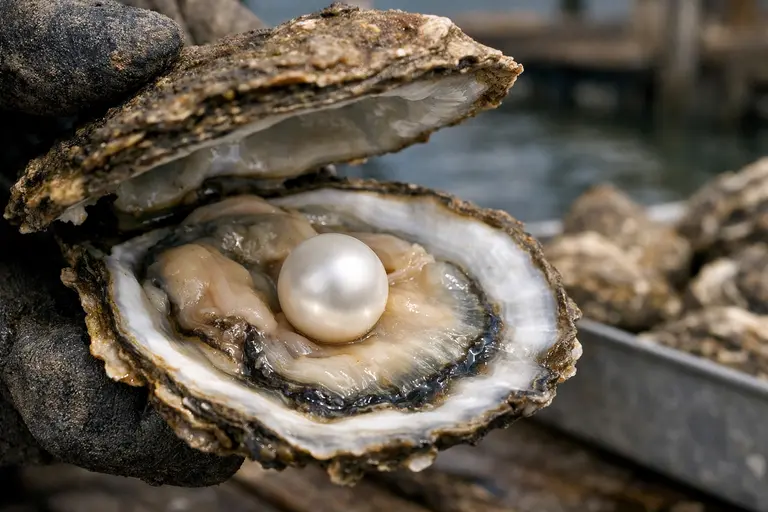
A pearl farmer harvesting a lustrous white pearl, illustrating the Cultured Pearl Journey.

Cultured Pearl Journey: From Farm to Jewelry Store

Introduction to the Cultured Pearl Journey Have you ever wondered how a pristine pearl eventually arrives in a high-end jewelry store? Unlike diamonds, which heavy machinery digs from the earth, pearls grow slowly inside living oysters and mussels. In fact, a single Cultured Pearl Journey can span several years underwater before a jeweler finally places the gem […]

Cultured Pearl Journey: From Farm to Jewelry Store Read More »
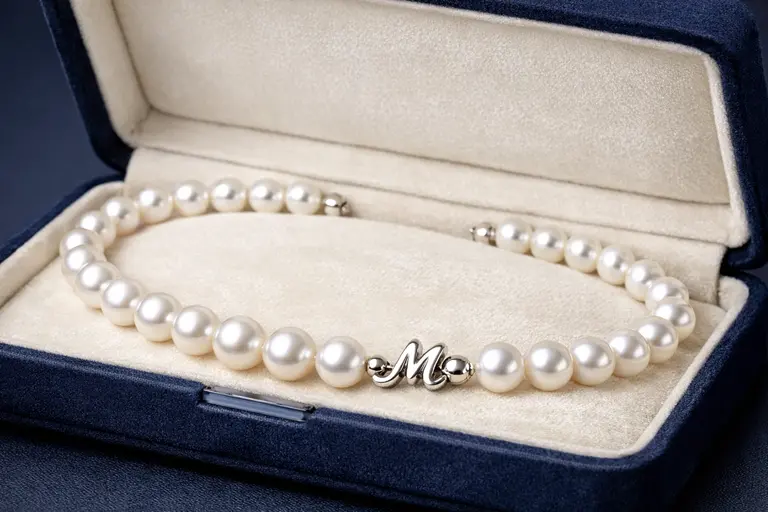
A classic strand of Akoya Mikimoto Pearls in their signature blue box.

Mikimoto Pearls: Origin, Quality, and Buying Guide

Introduction In the history of gemology, few people have fundamentally changed the world. Undoubtedly, Kokichi Mikimoto was one of them. Mikimoto Pearls stand as one of the most respected names in luxury jewelry. Founded in 1893 in Toba, Japan, the brand pioneered the art of culturing pearls and forever changed the global jewelry industry. Today, Mikimoto continues

Mikimoto Pearls: Origin, Quality, and Buying Guide Read More »

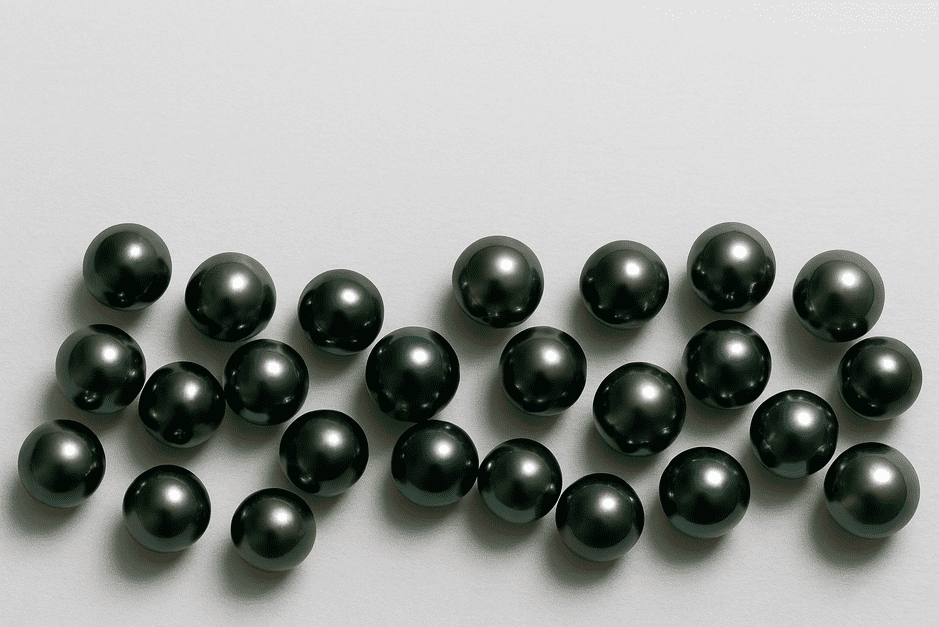
Variety of Tahitian pearls showing natural dark colors like gray, green, and peacock with different shapes and sizes.

Tahitian vs Dark Pearls: What Buyers Must Know

Many buyers see a dark pearl and assume it’s Tahitian. That’s a costly mistake. In reality, most dark pearls sold as “Tahitian” are dyed or treated. Understanding Tahitian vs dark pearls helps you avoid imitations and choose authentic jewellery that holds long-term value. Key Clues to Identify Real Tahitian Pearls 1. SizeTahitian pearls range from

Tahitian vs Dark Pearls: What Buyers Must Know Read More »