Introduction
Jewellery does far more than decorate the wearer. It preserves precious memories, expresses individual identity, and marks life’s most important milestones. For example, a simple family ring can mean more to its owner than a famous, historic diamond means to a museum curator. Recently, the Royal Collection Trust announced that it will open Royal Jewellery: From Coronations to Keepsakes at The King’s Gallery, Buckingham Palace, on 25 June 2027. The exhibition will display more than 300 objects from five centuries, and about two-thirds of these pieces will appear in public for the first time. Although these jewels belong to monarchs, they offer invaluable lessons for the 99%—including ordinary buyers, working jewellers, design students, and families. Before you explore these historic pieces, read our practical jewellery buying guide to understand the modern standards of quality and provenance.
Royal Jewellery Lessons for Gemologists and Designers
Studying Royal Jewellery Cuts, Settings, and Records
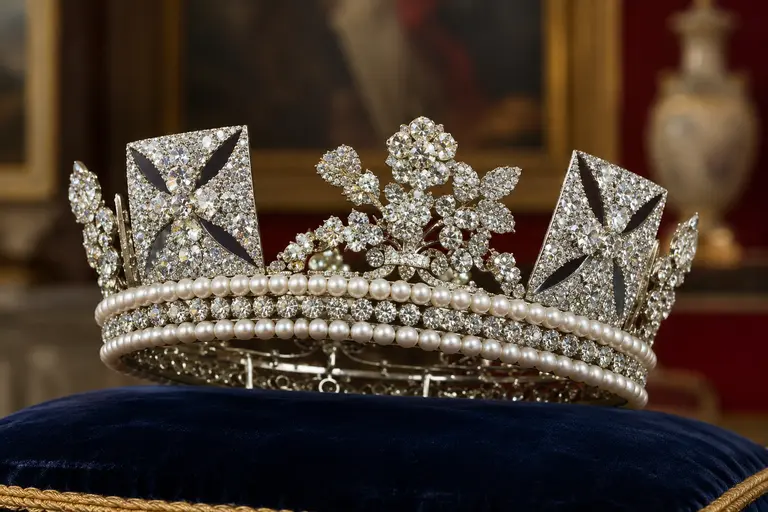
The exhibition features jewels worn by monarchs from Henry VIII to Queen Elizabeth II, including the famous Diamond Diadem made for George IV’s coronation. Therefore, students can compare how gemstone cuts, complex settings, and materials evolved over five centuries. Furthermore, archival paintings and original documents show exactly how people made, wore, and preserved each masterpiece. However, the eye alone cannot confirm a gemstone’s precise origin or detect every modern treatment. Instead, professional laboratory testing and reliable paper records must support those conclusions, as the Gemological Institute of America (GIA) explains in its extensive public education resources.
Finding Design Ideas from Royal Jewellery
Modern designers can borrow aesthetic ideas from Georgian elegance, Victorian sentimentality, and Art Deco geometry. Moreover, historic houses such as Cartier and Fabergé show how pure skill and imagination turn precious materials into distinctive objects. Goldsmiths and stone setters can adapt these historic motifs rather than copy them directly. As a result, they can create beautiful jewellery suited for modern lifestyles and different budgets. Indeed, thoughtful design and excellent workmanship—not a royal price tag—build lasting, generational value.
Royal Jewellery as Storytelling
Power, Love, and Grief in Royal Jewellery
Royal jewellery serves as a vessel for authority, love, and grief. For instance, the Diamond Diadem became closely linked with the public image of the British monarchy, while intimate keepsakes tied to Queen Victoria and Prince Albert capture moments of love, loss, and family life. After Prince Albert died in 1861, Victoria entered a long period of mourning, and her public display of grief strengthened the Victorian association with mourning jewellery. Similarly, ordinary families use wedding rings, inherited necklaces, and religious ornaments to remember loved ones. Consequently, jewellery speaks across generations, regardless of total wealth. Still, historians must separate documented facts from modern speculation about private intentions.
The Indian Connection to Royal Jewellery
Shared Histories of Gemstones and Design
India holds a long and varied jewellery heritage, from intricate Kundan and Meenakari work to traditional regional goldsmithing. Moreover, Indian gemstones and ancient design traditions significantly influenced European high jewellery in the early twentieth century. For example, Cartier developed its iconic Tutti Frutti style after engaging with colourful carved gemstones and Indian design traditions. In addition, the 1911 Delhi Durbar shows how jewellery expressed imperial power, as Queen Mary wore specially commissioned jewels for the event. These objects reflect deep artistic exchange, yet they also reflect the unequal politics of colonial rule. However, readers should not assume that any particular Indian-linked jewel will appear in the 2027 exhibition. Indian readers can respond to this history by documenting local craftsmanship, naming their own artisans, and preserving regional traditions, including the gold jewellery heritage of Keralam.
Practical Lessons from Royal Jewellery Buyers
Preserve Heirlooms and Their Stories
Royal collections keep detailed records alongside jewels, and families should do the same. Specifically, note the maker, purchase details, gemstone reports, and provenance photographs. If an inherited ornament no longer suits your taste, a skilled jeweller can redesign it into something new. However, weigh its historical, financial, and sentimental value first, and document every major alteration you make. Collectors should also carefully separate verified provenance from marketing claims, because a royal association does not guarantee authenticity. Therefore, always request reliable documents and independent assessments before you buy.
Support Artisans and Cultural Heritage
Museums, schools, and jewellery businesses can preserve traditional skills by documenting techniques, funding formal apprenticeships, and crediting the actual makers. Likewise, buyers can ask about craftsmanship, gemstone disclosures, repair options, and responsible sourcing. Consequently, informed choices help skilled workers earn the recognition they truly deserve. Meanwhile, the Crown Jewels remain at the Tower of London because they are not part of this specific exhibition.
Frequently Asked Questions
When does the exhibition open?
The exhibition opens on 25 June 2027 at The King’s Gallery, Buckingham Palace, and closes on 19 March 2028. Visit the official Royal Collection Trust exhibition page for current details.
Will the exhibition feature Indian jewellery?
British royal jewellery shares many links with India. However, the confirmed object list may change, so check official information before you assume any Indian-linked jewel will appear.
What can ordinary jewellery buyers learn?
Buyers learn to value craftsmanship, verify gemstone information, and document heirlooms. Additionally, they can weigh historical value before redesigning a piece.
Will the Crown Jewels appear?
No. The Crown Jewels stay at the Tower of London. Nevertheless, the exhibition shows other important jewels created for coronations and major occasions.
Conclusion
British royal jewellery teaches lessons far beyond the palace walls. Its history shows how craftsmanship, documentation, and personal memories preserve an ornament’s meaning across many generations. Ultimately, everyone can respect artisans, protect heirlooms, and make informed jewellery choices. After all, a jewel’s lasting value lies not only in its gemstones but also in the rich human stories it carries.
Disclaimer
This article offers general educational and historical information. Exhibition details may change, so consult the Royal Collection Trust for current visitor information. Gemstone identification, valuation, and provenance assessments require professional expertise. The author has no financial affiliation with the brands or organizations mentioned.