Introduction to Artisanal Jewelry in India
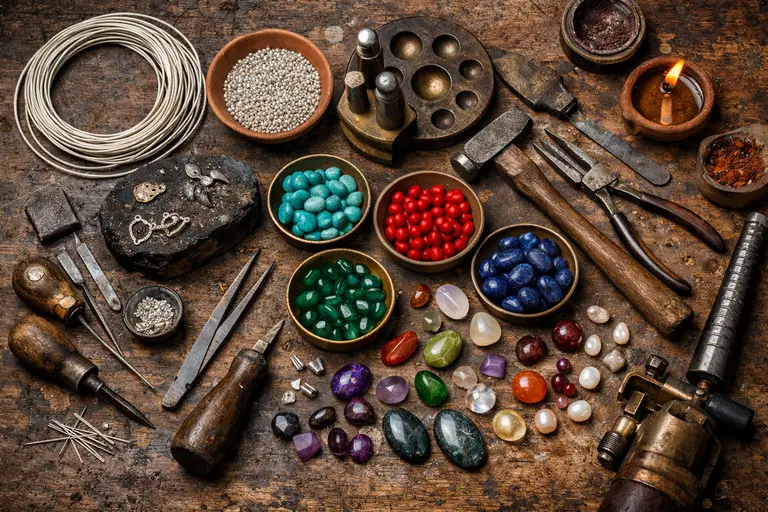
The jewelry market across the subcontinent is changing at an incredible pace. While traditional gold and diamonds still lead the way, a quiet revolution is currently reshaping what people want from their accessories. Today, buyers are no longer satisfied with expensive but soulless mass-produced pieces. Instead, they actively seek Artisanal Jewelry in India that carries deep meaning, history, and a distinct human touch. This shift is creating a powerful opportunity for independent creators and small-scale workshops. If you have ever wanted jewelry that truly stands out from the crowd, artisanal pieces are certainly worth your attention. You should also read our guide on gemstone buying mistakes to understand how to evaluate the quality of the stones used in these unique creations.
Why Artisanal Jewelry in India Matters to Everyone
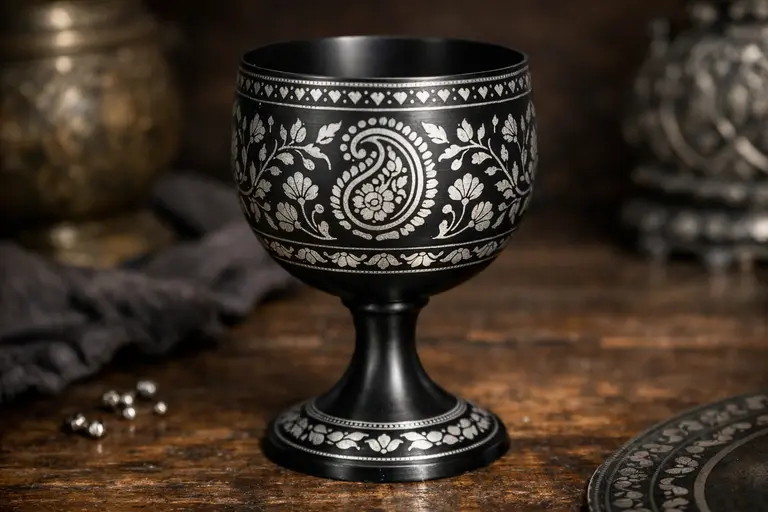
Many people mistakenly assume that handcrafted jewelry is only for the wealthy or elite collectors. However, that assumption is completely wrong. Artisanal Jewelry in India spans every possible budget, ranging from affordable brass and fabric designs to premium, high-purity silver work. Specifically, what unites all these pieces is their soul and their connection to a real person.
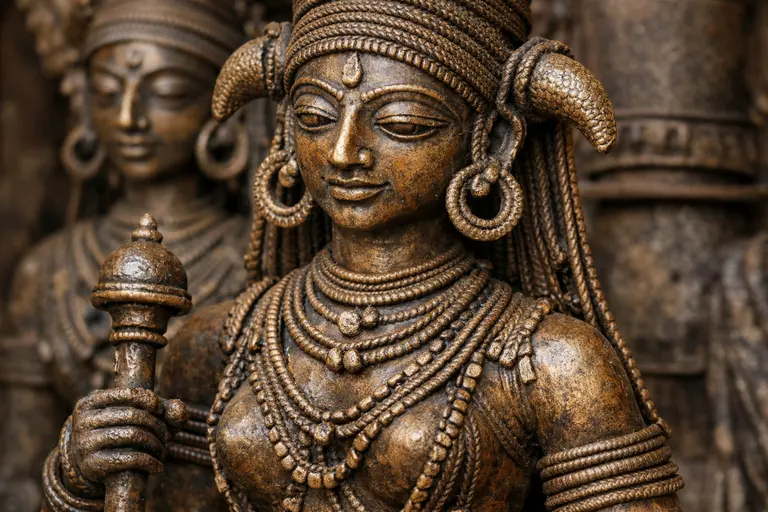
First and foremost, these pieces preserve India’s cultural heritage. Skilled makers actively practice ancient techniques like Thewa, Kundan, and Meenakari to produce wearable art. Without consistent support from buyers like you, these irreplaceable skills face a real threat of extinction. Furthermore, the economic stakes are enormous for the country. The gems and jewelry sector contributes approximately 7% to India’s GDP and directly employs five million people. Every time you choose a handcrafted piece, you keep wealth flowing within your local community. For more technical details on the industry’s economic impact, visit the GJEPC India official site.
Challenges Facing Artisanal Jewelry Makers in India
Despite growing consumer interest, independent jewelers continue to fight an uphill battle on multiple fronts. Specifically, small makers must navigate financial and technological barriers that larger brands can easily bypass.
High Material Costs for Indian Artisanal Jewelry
To begin with, rising raw material costs are currently squeezing small makers hardest. As of April 2026, gold prices have surged to approximately ₹1.55 Lakh per 10 grams for 24K gold, driven by global economic volatility. This sharp increase makes it extremely difficult for a small workshop to maintain adequate inventory of precious metals. Consequently, many artisans are pivoting to alternative materials like silver, copper, and even industrial concrete to keep their work accessible.
Protecting the Integrity of Artisanal Jewelry in India
Beyond financial costs, digital barriers create another serious obstacle. Many gifted jewelers live in rural areas and lack access to sophisticated digital tools or marketing expertise. As a result, they struggle to reach global buyers through social media. Moreover, cheap imitations frequently flood the market. Machine-made copies often mimic the look of Artisanal Jewelry in India at a fraction of the cost. These counterfeits undercut genuine creators and confuse buyers who cannot easily tell the difference between a handmade piece and a factory-pressed one. If you want to ensure your metal is genuine, you should also read our article on Understanding BIS Hallmark.
Modern Solutions for Artisanal Jewelry in India
Fortunately, several organizations and platforms are actively bridging the gap between makers and buyers. Digital marketplaces like iTokri, Gaatha, and IndieHaat handle marketing and logistics on behalf of individual artists. These platforms give artisans a trusted digital storefront without requiring them to become tech experts themselves.
Additionally, government-backed portals like Indiahandmade provide much-needed visibility to rural craft clusters. Professional bodies also offer skill development programs to help traditional artisans adapt their designs for modern tastes. In addition, forward-thinking designers are expanding the definition of jewelry itself. Some independent brands are reportedly experimenting with geometric rosewood and recycled glass designs. These innovative materials bring freshness to the artisanal space, making high-end design reachable for far more people. To learn about the scientific standards of the gems used in these pieces, refer to the Gemmological Institute of India and the Gemological Institute of America.
Benefits of Buying Artisanal Jewelry in India
So why should you, as an everyday consumer, choose Artisanal Jewelry in India over a famous retail brand? The reasons are both practical and emotional.
First, you obtain something truly unique. Since artisans handcraft each piece individually, no two items are exactly alike. As a result, you wear something that expresses your personal identity rather than a corporate template. Second, you receive ethical assurance. Modern buyers want to know who made their products and under what conditions. Most artisanal brands offer full traceability, confirming that the maker received a fair and living wage. Therefore, this transparency gives you genuine peace of mind with every purchase.
Finally, you make a smarter long-term investment. Artisanal pieces combine the intrinsic value of the metal with the added value of exclusive craftsmanship. Over time, well-made handcrafted items often appreciate more than mass-produced alternatives. In other words, you are not just spending money; you are building a collection of future heirlooms.
FAQ: Artisanal Jewelry in India
Is artisanal jewelry more expensive than brand-name jewelry?
Not necessarily. While some pieces use gold, many designers work with silver, brass, and even sustainable fabric. Therefore, unique handcrafted style is available for almost any budget.
How do I know if a piece is truly handmade?
Look for small irregularities that machine-made pieces lack. Specifically, handmade items often show subtle marks from tools and variations in stone settings that reflect a human touch.
Where can I find authentic handcrafted pieces?
You can browse curated collections on trusted platforms like Amazon Karigar or visit government-recognized emporiums like Cauvery Handicrafts.
Is it safe to buy high-value jewelry online in 2026?
Yes, it is very safe when you use reputable platforms. Most established marketplaces now use advanced verification and provide certificates of authenticity to protect consumers.
How does buying artisanal jewelry help the environment?
Artisans typically focus on small-batch production and frequently use recycled metals. This approach actively supports a circular economy and reduces industrial waste.
Disclaimer
The financial data and gold prices referenced reflect market conditions as of April 2026. Jewelry prices fluctuate daily. Always verify hallmarkings and certifications directly with the seller before making any purchase. The author has no commercial affiliation with the platforms mentioned in this article.