
Introduction to Preventing Overtourism in Keralam
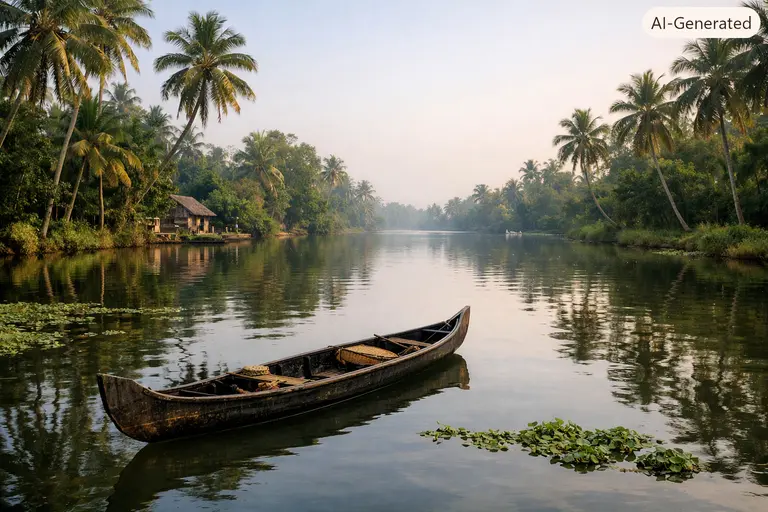
For many decades, Keralam has welcomed visitors with its calm backwaters, misty hills, and colorful festivals. This tourism supports thousands of local families and introduces the world to the state’s natural beauty. However, a new challenge now threatens this delicate balance. Overtourism places growing pressure on popular spots, and it slowly changes the daily lives of local communities. Consequently, the mission of preventing overtourism in Keralam has become a top priority for the government and residents alike in 2026.
Around the world, residents in cities like Venice and Barcelona now guard their favorite landmarks from heavy crowds. Many researchers compare excessive tourism to a modern form of cultural takeover because local communities gradually lose control over their own neighborhoods. Therefore, visitors start to dominate popular areas, while local customs risk turning into mere photo backdrops. Although Keralam has not yet reached the extreme scale of European crowding, the warning signs are growing clearer. Specifically, Munnar and Fort Kochi already experience seasonal traffic jams and environmental strain. To see how other high-end sectors manage quality, you can read our guide on industry sheepdogs in tech and jewelry.
Risks of Overcrowding and Preventing Overtourism in Keralam
Today, tourism drives one of Keralam’s most vital industries. It supports hotels, restaurants, and thousands of small businesses. However, fast visitor growth also creates negative side effects once popular spots exceed their natural limits. For instance, Munnar often faces severe traffic congestion during holiday weekends. Similarly, motorized houseboats increasingly strain the ecology of Alappuzha’s backwaters.
Furthermore, environmental concerns matter significantly. Unplanned construction on fragile hillsides raises the risk of soil erosion and landslides. Specifically, plastic waste damages beaches and wildlife habitats. Additionally, heavy tourism activity can lower water quality and disrupt traditional fishing communities. At the same time, cultural friction is emerging. Most visitors behave responsibly; nevertheless, a small minority litter public spaces or ignore local customs. Although only a minority causes these problems, they still affect residents’ daily lives. For local travel insights, check out Munnar travel guides. You can also visit the official Kerala Tourism website for the latest guidelines.
Balancing Authenticity while Preventing Overtourism in Keralam
Today, many travelers want authentic experiences instead of just famous landmarks. They seek local cuisine and homestays with real families. On the surface, this trend looks positive because it encourages meaningful travel. However, authenticity often disappears once too many people chase the same “hidden gem.” Once a quiet village goes viral online, thousands of visitors can arrive within days.
As a result, peaceful neighborhoods quickly turn into crowded attractions. Consequently, some residents now protect their favorite places by avoiding publicity or withholding locations from outsiders. This practice, often called “gatekeeping,” rarely aims to exclude visitors. Instead, it reflects a genuine desire to preserve community life and privacy. This focus on long-term value over temporary hype is a core lesson from the world’s oldest company lessons for Keralam.
Smart Tech and Preventing Overtourism in Keralam
Fortunately, the state has already earned global recognition for its Responsible Tourism Mission. Community participation and local job creation already shape the state’s strategy. However, simple responsibility can no longer keep pace with rapidly rising numbers. Instead, the state must embrace “smart tourism” by combining environmental science with digital technology.
Every destination carries a natural limit known as its “carrying capacity.” Therefore, tourism planning should respect that limit rather than chase constant growth. For example, digital reservation systems can help regulate daily visitor numbers at sensitive spots like trekking trails. Likewise, real-time monitoring can help officials spot overcrowding early. This data-driven approach ensures that preventing overtourism in Keralam is based on science rather than guesswork. This is similar to the Chow Tai Fook business model, which uses data to maintain high quality across thousands of locations.
Legal Action for Preventing Overtourism in Keralam
Although Keralam has introduced several forward-thinking initiatives, enforcement remains the biggest challenge. In many cases, strong rules exist on paper but apply inconsistently on the ground. Consequently, illegal construction and pollution continue despite existing laws. Specifically, the lack of coordination among multiple departments can stall progress.
Therefore, stronger cooperation among tourism, forest, and police authorities would improve accountability. Likewise, digital monitoring and transparent public reporting can strengthen enforcement meaningfully. This level of oversight is handled by industry sheepdogs who protect the integrity of any professional sector. For global benchmarks, visit UN Tourism for international standards on sustainable travel.
Individual Duties in Preventing Overtourism in Keralam
Overall, protecting Keralam does not rest solely on government shoulders. Instead, every traveler shares a genuine duty to respect the places they visit. Domestic tourists, for instance, can keep public spaces clean and avoid single-use plastics. Furthermore, they should remember that temples and beaches remain living spaces where local families work every day.
Similarly, international visitors can support community-run homestays and hire certified local guides. In addition, modest dress and responsible photography help build positive relationships between guests and residents. This respect for local identity is a key part of building India’s global brands. If we act today, Keralam can remain one of the world’s most welcoming and sustainable destinations for generations to come.
FAQ About Preventing Overtourism in Keralam
Is Keralam already experiencing overtourism?
Yes, Keralam shows early signs of overtourism in several popular spots, particularly during peak holiday seasons. While it hasn’t reached the scale of cities like Venice, proactive measures are now essential.
How does smart tourism help local communities?
Smart tourism uses data to distribute visitors more evenly across the state. Consequently, it prevents a single village from being overwhelmed while bringing income to lesser-known districts.
Can I still find “hidden gems” in Kerala?
You certainly can; however, you should travel with a mindset of discovery rather than just following viral social media tags. Explore the interior districts to find authentic experiences away from the crowds.
What is “carrying capacity” in tourism?
Carrying capacity is the maximum number of people that a destination can support without damaging the environment or causing a decline in the quality of the visitor experience.
How can I be a more responsible traveler in Kerala?
You can support the mission of preventing overtourism in Keralam by staying in homestays, avoiding plastic, respecting local religious customs, and traveling during the “off-season.”
Disclaimer
This article serves general informational purposes only. Tourism policies and environmental regulations can change frequently. The author has no financial affiliation with any tourism boards or government departments mentioned. Always consult official Kerala Tourism Mission resources before planning your trip. Data reflects the situation as of July 2026.