Introduction to Nature’s Hidden Treasures in Coffee and Gems
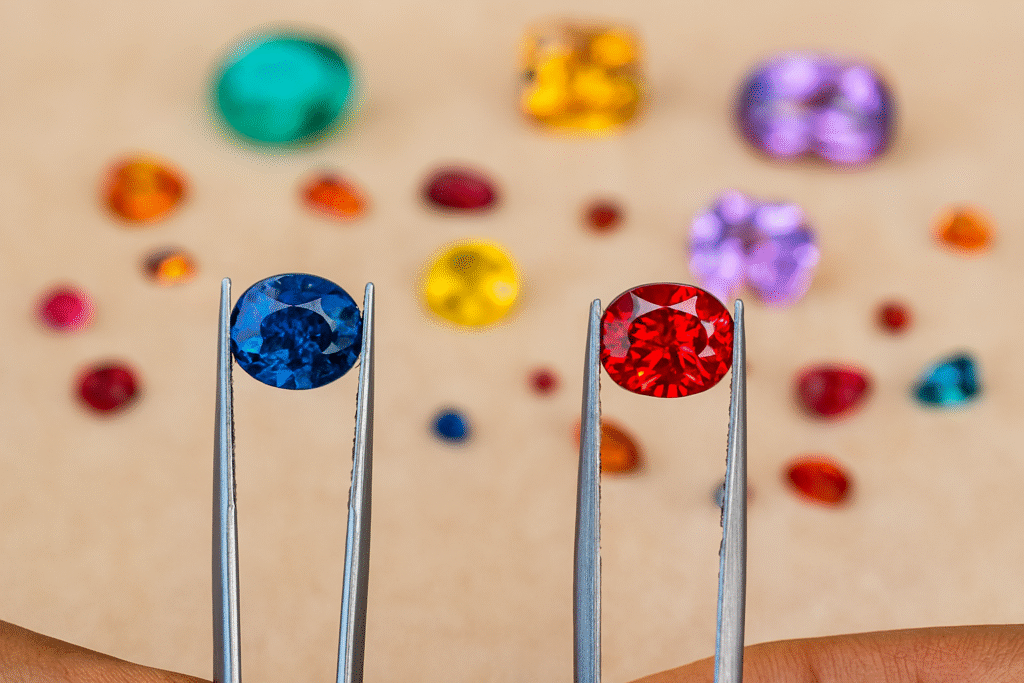
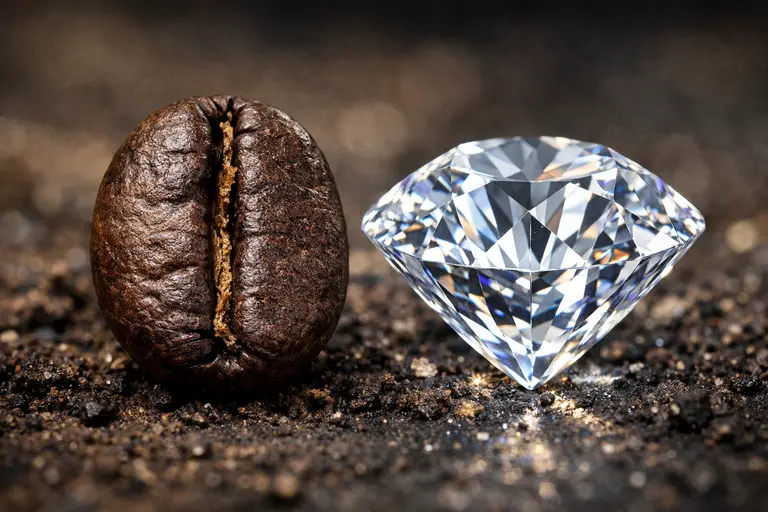
Nature hides its finest treasures in the most unexpected places. Some grow quietly in coastal forests, while others form deep beneath the Earth’s surface over millions of years. Although specialty coffee and precious gemstones belong to very different worlds, they share one remarkable trait: true scarcity. As a result, only a small handful of people ever taste certain coffees or hold specific gems in their hands. Consequently, these nature’s hidden treasures in coffee and gems become highly sought after by collectors and connoisseurs alike.
Take Coffea racemosa, for example. Unlike the ubiquitous Arabica and Robusta, this little-known coffee species survives only in a tiny coastal strip of southern Africa. Similarly, the gem world holds extraordinary minerals that only a few museums will ever own. However, rarity alone never guarantees greatness; instead, quality and skilled craftsmanship decide the final value. Therefore, this article helps you understand why these specific products have become global icons of exclusivity in 2026. To see how other regional favorites compare, you can read our guide on Wayanad Robusta and coffee gemstones.
Coffea Racemosa: Nature’s Hidden Treasures in Coffee
Most coffee drinkers recognize Arabica because it dominates the high-end market. Coffea racemosa, on the other hand, grows wild along a narrow coastal belt in southern Africa. This range stretches through Mozambique, Zimbabwe, and South Africa. Because this habitat covers less than 150 square kilometers, commercial cultivation remains extremely small.
Specifically, the flavor profile sets Racemosa apart from any other beverage. Tasters often describe delicate citrus notes and light florals that feel nothing like a standard cup. Furthermore, Racemosa naturally contains far less caffeine than its cousins. This gives it a smooth, mellow character that appeals to sensitive drinkers. Scientists have also taken notice because Racemosa tolerates drought and poor sandy soil remarkably well. Consequently, researchers now study it as a source of climate-resilient genetics. This scientific interest proves that nature’s hidden treasures in coffee and gems provide more than just luxury; they offer survival tools for a changing planet.
Painite: Nature’s Hidden Treasures in Gems
When gemologists search for a mineral comparison to rare coffee, Painite often comes up first. Once considered the rarest gemstone on Earth, Painite remains scarce despite new deposits in Myanmar. Fine, gem-quality stones still rarely reach the open market. Indeed, the parallel with Coffea racemosa feels perfect because both occur in tightly restricted natural environments.
Collectors prize these stones as much for their scarcity as for their visual beauty. Likewise, Red Beryl and Serendibite share this same reputation for being elusive. Even so, rarity never tells the whole story of value. For instance, diamonds remain far more common than many colored gems, yet strong demand keeps them at the top of the price charts. This market behavior is similar to the trends discussed in our gem trading survival guide, where transparency dictates the future of the trade. For professional authentication, visit the Gemological Institute of America (GIA).
Curating Nature’s Hidden Treasures in Coffee and Gems
Unlike the mass-market diamond trade, the colored gemstone world has no single dominant leader. Instead, several specialized firms manage the flow of these rarities. For example, Constantin Wild in Germany has earned a reputation across generations for supplying stones to museums. Similarly, Pala International in California has built its name through direct sourcing and education.
In Africa, The Rare Gemstone Company specializes in East African treasures like Tanzanite and Tsavorite. These businesses share one specific habit: they choose quality over volume. This “honeybee” approach is a core part of the three business models we analyzed previously. Because they curate their inventory with such care, they maintain the integrity of nature’s hidden treasures in coffee and gems.
Sourcing Nature’s Hidden Treasures in Coffee and Gems
In the modern market, the story behind the product is just as important as the product itself. Buyers now demand to know if their rare coffee or gemstone was sourced ethically. For Coffea racemosa, this means ensuring that local farmers in Mozambique receive a fair share of the profits. Similarly, the GemFair diamonds supply chain shows how the industry is moving toward radical transparency.
When we protect the environments where these treasures grow, we ensure that future generations can enjoy them. Moreover, sustainable harvesting prevents the total depletion of wild species. Consequently, luxury in 2026 is defined by “guilt-free” consumption. Whether it is a wild-grown bean or a deep-mined crystal, ethical oversight acts as the “sheepdog” of the industry. This level of care is what truly makes them nature’s hidden treasures in coffee and gems.
FAQ About Nature’s Hidden Treasures in Coffee and Gems
Is Coffea racemosa the rarest coffee in the world?
While not the only rare species, it is the rarest one grown for commercial sale in 2026. Many other species exist only in wild herbariums and are not yet available for consumers to buy.
Why is Painite so expensive?
Painite is expensive because of its chemical complexity and historic rarity. For decades, only two faceted specimens were known to exist, making it a “holy grail” for mineral collectors.
Can I grow rare coffee at home?
It is very difficult. Coffea racemosa requires specific coastal humidity and sandy soil conditions found only in southern Africa. Consequently, most domestic attempts to grow it result in poor yields.
How do I verify a rare gemstone?
You should always insist on a report from a recognized laboratory like the GIA or IGI. These reports confirm the stone’s identity and detect any hidden treatments.
Does rarity always mean higher investment returns?
Not necessarily. Rarity must be combined with “market liquidity”—meaning there must be enough buyers interested in the item to drive a resale market.
Disclaimer
This article serves educational and informational purposes only. The gemstone and coffee markets are subject to rapid shifts in availability and price. The author has no financial affiliation with the companies mentioned. Readers should consult with certified professionals before making significant purchasing or investment decisions. For official standards, visit the International Coffee Organization.