Introduction to the GemFair Diamonds Supply Chain
The GemFair diamonds supply chain is fundamentally transforming how the jewelry industry views artisanal mining in West Africa. For many years, consumers associated these regions with poor traceability and unfair pricing; however, De Beers launched GemFair in 2018 to ensure a transparent route from miner to market. Today, this initiative successfully bridges the gap between responsible artisanal miners in Sierra Leone and the world’s most prestigious luxury collections.
Today, the GemFair diamonds supply chain is reaching luxury jewelry collections while maintaining a transparent route from miner to market. The initiative also ensures that miners receive fair value for their work while gaining access to training and safer conditions. This systematic change is as significant as the silver supply chain from mine to jewelry transformations we have seen recently. The latest example of this effort is the Echo high-jewelry collection from De Beers. By featuring alluvial diamonds sourced through the GemFair program, this collection shows how ethical sourcing can become a defining part of modern luxury.
Artisanal Roots of the GemFair Diamonds Supply Chain
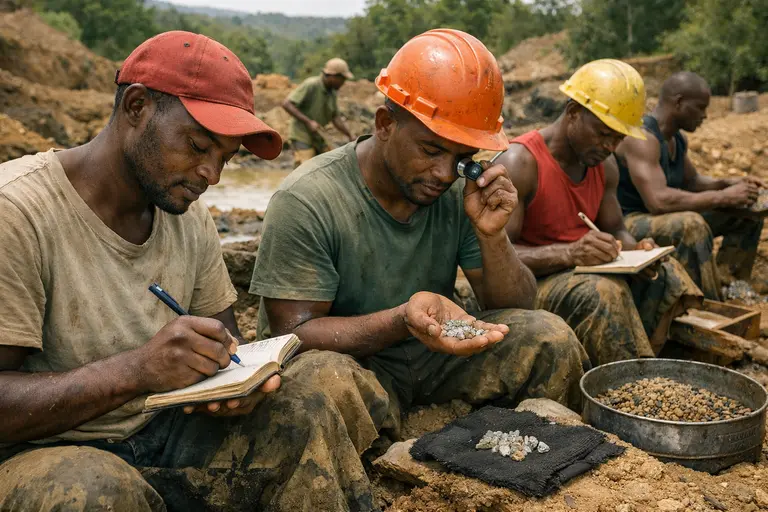
GemFair primarily supports artisanal and small-scale diamond miners in Sierra Leone. Unlike large industrial mining operations, artisanal miners work on smaller sites using simple tools and traditional methods. Nevertheless, these miners play an important role in local economies. They often face challenges around fair pricing and market access; therefore, GemFair creates a transparent route to market while promoting responsible mining practices.
Since its launch in 2018, the program has expanded from 14 participating mine sites to over 400 today. Consequently, it now supports over 6,000 jobs across Sierra Leone. At the same time, the program invests in community development projects that encourage responsible behavior. As a result, participating miners gain access to a structured system that rewards ethical practices. This allows consumers to gain greater confidence in the origin of the diamonds they purchase. For more background on global standards, readers can explore resources from the World Diamond Council.
Traceability and the GemFair Diamonds Supply Chain
Modern consumers increasingly want to know where their products come from. This trend applies not only to food but also to high-value assets like jewelry. Consequently, traceability has become one of the most important topics in the global industry. The GemFair diamonds supply chain addresses this concern by keeping participating diamonds separate throughout the entire process.
De Beers keeps these diamonds traceable from the mine site to the final buyer. Specifically, they link each stone directly to the individual miner who recovered it using a dedicated digital solution. This level of transparency helps build consumer confidence while allowing buyers to understand the human stories behind the stones. Furthermore, traceability supports accountability at every stage. As a result, companies can better demonstrate their genuine commitment to responsible sourcing. This focus on individual stone identity is similar to the care Indian designers use for raw diamond and Polki jewelry. Readers can explore evolving standards by visiting the Responsible Jewellery Council (RJC).
Social Impact of the GemFair Diamonds Supply Chain
The primary goal of GemFair extends well beyond simply selling gemstones. Instead, the initiative focuses on improving lives within mining communities through fair pricing and training. For example, site manager Kai Kanjie entered the mining industry to support his family when his father became ill. Through his participation in the program, he has been able to improve his family’s financial stability.
Similarly, miner Sahr Dassah highlights how the educational support he received helped him provide higher education for his children. These stories show how a responsible GemFair diamonds supply chain creates measurable benefits for real families. More importantly, they demonstrate that ethical supply chains contribute to broader social progress. Moreover, stronger mining communities often create more resilient local economies. Therefore, the benefits extend well beyond the individual miners to the entire region. This “honeybee” approach to value creation is a central pillar of three business models: ants, spiders, and honeybees.
Ethics within the GemFair Diamonds Supply Chain
Fair pricing is only one part of the mission. Equally important are safety standards, human rights protections, and efforts to prevent child labor. Therefore, GemFair works with miners to encourage practices that align with recognized international industry standards. The program also guides workplace safety and environmental responsibility.
As a result, miners gain practical knowledge that helps protect both workers and local communities. Meanwhile, regular site visits ensure that participating miners continue to follow program requirements. This continuous involvement strengthens trust throughout the GemFair diamonds supply chain while promoting long-term improvement. Beyond safety, responsible mining includes restoring the land after activities conclude. For this reason, GemFair encourages miners to backfill exhausted pits. Consequently, former mining sites can be transformed into agricultural land. This ensures that communities continue to benefit long after the diamonds have been extracted.
Echo Jewelry and the GemFair Diamonds Supply Chain
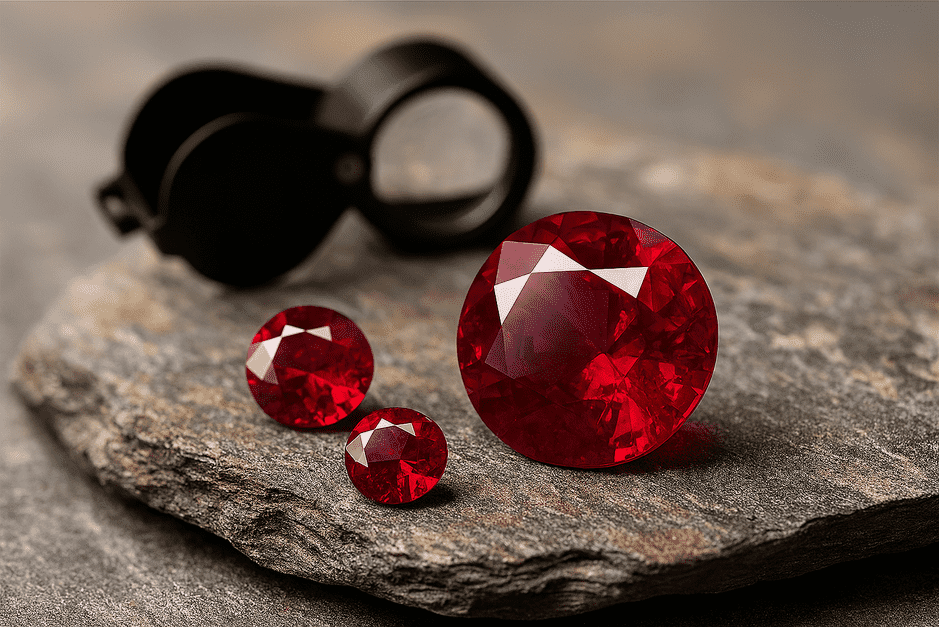
The Echo high-jewelry collection represents a defining milestone for the program. For the first time, consumers can see GemFair-sourced diamonds featured in a major De Beers collection. As a result, the connection between the miner and the consumer becomes more visible to the public than ever before.
The collection highlights not only the beauty of the diamonds but also the stories of the people who found them. Furthermore, it demonstrates that luxury products can incorporate transparency without sacrificing quality. According to GemFair leadership, seeing these stones set in fine jewelry represents a “full-circle” moment for everyone involved. Indeed, the Echo collection proves that responsible sourcing and exceptional design can exist side by side in the modern market. This transparency is a lesson that food businesses can learn from King’s Joy, where the origin of the product is the selling point.
Scaling the Global GemFair Diamonds Supply Chain
The success of the GemFair diamonds supply chain has attracted attention from other nations. In 2024, De Beers signed a memorandum of understanding with Angola to support the development of that country’s diamond sector. The agreement includes efforts to strengthen alluvial mining while creating broader economic opportunities for local communities.
Therefore, industry observers view this development as a potentially important step for the wider African region. As these efforts take hold, the benefits of responsible sourcing stand to reach many more mining communities. This global expansion mirrors how Sotheby’s, Christie’s, and Phillips auction houses manage high-value assets across borders. Ultimately, the goal is to create a global standard where every diamond benefits its source.
Source Acknowledgment
The author based this article on publicly reported information from the Rapaport Magazine feature, “This Ethically Sourced De Beers Collection Is Making Waves in the Supply Chain.” This feature examined the GemFair initiative, the Echo high-jewelry collection, and the impact of responsible artisanal diamond mining in Sierra Leone. I also drew additional context from publicly available information released by GemFair and De Beers Group. I independently rewrote, edited, and expanded the content for educational and informational purposes.
FAQ About the GemFair Diamonds Supply Chain
What makes GemFair diamonds different from other diamonds?
The main difference is the 100% traceability to an artisanal source. Most commercial diamonds are mixed in large parcels, making it impossible to know exactly which miner found which stone.
Are GemFair diamonds more expensive?
While the pricing reflects the ethical standards and traceability, they are priced competitively within the luxury high-jewelry market. The “premium” pays for the certainty of an ethical origin.
How does the digital tracking work?
Miners use a specialized app to register the diamond at the point of discovery. They then place the stone in a sealed, tamper-proof bag with a unique QR code that tracks its journey directly to the official diamond sorting and valuation office.
Does GemFair prevent conflict diamonds?
Yes. By requiring miners to have proper legal permits and follow human rights standards, the program ensures that no “conflict” or illegal stones enter the GemFair diamonds supply chain.
Can I buy GemFair diamonds in India?
Currently, these diamonds are primarily featured in De Beers’ international collections. However, as the program expands, we may see more traceable artisanal stones in the Indian retail market.
Disclaimer
This article is for educational and informational purposes only. The author has no financial affiliation with De Beers Group or GemFair. Information is based on publicly available industry reports. Readers should conduct their own research before making significant purchasing or investment decisions.