Introduction to Perimenopause and Gemstone Grading
Perimenopause marks a significant natural stage of life that typically arrives several years before menopause. During this critical transition, hormone levels rise and fall unpredictably, and these shifts touch almost every part of the human body. While most people connect this phase with hot flashes or irregular cycles, the changes also reach further, affecting vision, sleep, focus, and energy. These effects matter greatly in the high-precision world of perimenopause and gemstone grading, where careful observation is the primary tool of the trade.
Gem identification and clarity grading require sharp vision, sustained attention, and consistent decision-making. Therefore, even minor physical discomfort can make detailed visual work feel noticeably more taxing. However, it helps to understand clearly that these biological changes do not diminish a person’s knowledge or professional training. Instead, symptoms mainly affect the comfort and efficiency of close visual tasks. As a result, many professionals simply need a few practical adjustments to keep meeting the high standards their work demands. For those interested in how environmental factors influence trade, you can read our guide on scent marketing in jewelry stores.
Biological Shifts in Perimenopause and Gemstone Grading
Initially, the fluctuate in estrogen and progesterone levels triggers various responses within the body. These hormones influence more than just reproductive health; they also affect the neurological and ocular systems. Consequently, many women report fatigue, joint discomfort, and a significant drop in concentration during the workday. Interrupted sleep often compounds these issues, leaving professionals feeling drained both mentally and physically.
Hormonal changes specifically impact the eyes by reducing tear production and altering the quality of the tear film. This often leads to chronic dry eye symptoms, including burning, grittiness, and fluctuating vision during long sessions with a 10x loupe. While these symptoms stay manageable for most, they can still frustrate anyone working through lengthy colored stone or diamond grading assignments. To learn more about how physical conditions impact work, see our related article on how dry eyes can affect gem grading. For a detailed medical overview of these shifts, visit the Cleveland Clinic’s perimenopause guide.
Vision Risks in Perimenopause and Gemstone Grading
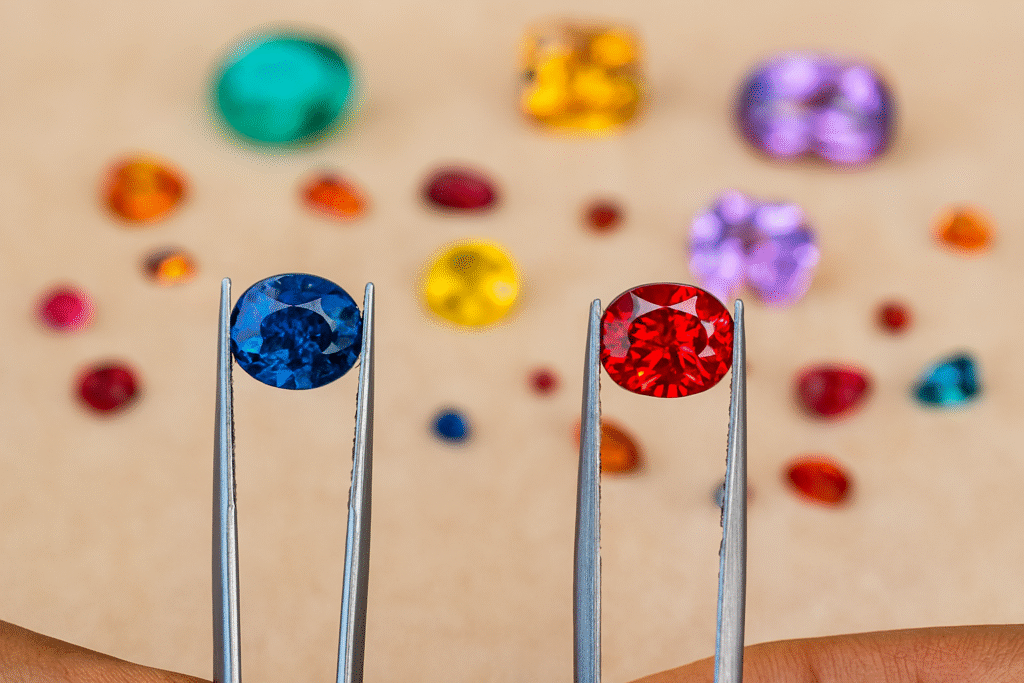
Precision is the absolute foundation of gemology. Specifically, professionals must examine stones under controlled lighting while comparing subtle differences in hue, saturation, and tone. Naturally, visual comfort plays a central role in maintaining consistency across large parcels of stones.
Fluctuating Vision and Perimenopause Gemstone Grading
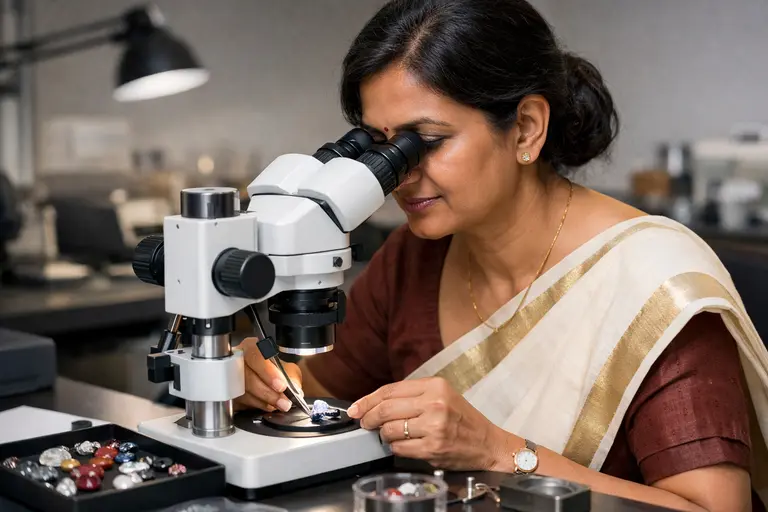
Dry eyes can cause vision to blur slightly during long sessions with a gemological microscope. As a result, a grader might blink more frequently or pause to rest their eyes to maintain focus. Sometimes, the grader must repeat an examination to ensure they haven’t missed a microscopic inclusion. This extra step never signals a loss of skill; instead, it proactively protects accuracy. This level of oversight is similar to the industry sheepdogs in tech and jewelry who manage quality standards globally.
Concentration in Perimenopause and Gemstone Grading
Fatigue and reduced concentration add further strain during extended shifts. Although professional expertise remains intact, sustaining hyper-focus for hours at a stretch can grow more difficult. Consequently, subtle color differences between high-value rubies or sapphires may require more observation time. Gemological laboratories already use standardized procedures to limit variation, yet these biological shifts can still make color comparisons feel more tiring.
Workplace Strategies for Perimenopause and Gemstone Grading
Fortunately, several simple, low-cost measures reduce visual strain without changing established grading methods. Using standardized, daylight-balanced lighting improves reliability and reduces the risk of “eye fatigue.” Similarly, keeping loupes and microscopes properly adjusted, alongside ergonomic seating, reduces physical strain on the neck and back.
Furthermore, regular visual breaks allow focusing muscles to relax. The “20-20-20” rule—looking at something 20 feet away for 20 seconds every 20 minutes—is particularly effective here. When dryness becomes bothersome, preservative-free lubricating drops often provide immediate relief. Employers can also play a major role by ensuring cooler laboratory environments to mitigate hot flash discomfort. This proactive approach is a key part of building India’s global brands, where the wellness of the workforce supports the quality of the product. For official workplace health standards, you can visit the World Health Organization (WHO).
Professional Aid for Perimenopause and Gemstone Grading
Institutions should recognize that perimenopause affects some of their most experienced and knowledgeable staff. Because these professionals have built their skills over many years, colleagues should never mistake temporary physical symptoms for declining expertise. Supportive workplaces prioritize empathy and offer flexible scheduling, allowing employees to tackle demanding tasks during their most alert hours.
Moreover, open and respectful communication between supervisors and employees makes requested adjustments easier to implement. When managers understand the intersection of perimenopause and gemstone grading, they ensure that their laboratory remains productive and accurate. Ultimately, these practical steps protect the confidence of the employee and the reputation of the business. By following these world’s oldest company lessons for Keralam, we learn that valuing long-term human assets is the best path to success.
FAQ About Perimenopause and Gemstone Grading
Can perimenopause cause permanent vision loss for a gemologist?
No. While perimenopause can cause temporary vision fluctuations and dry eyes, it does not typically lead to permanent vision loss. Regular eye exams ensure that any changes are managed with correct prescriptions.
How does “brain fog” affect diamond clarity grading?
“Brain fog” can make it harder to sustain the intense concentration required to map out inclusions. Taking more frequent, short breaks helps the brain reset and maintain high accuracy.
Are there specific eye drops recommended for microscope work?
Most gemologists prefer preservative-free lubricating drops. These provide moisture without causing the stinging or blurred vision sometimes associated with medicated drops.
Should I tell my manager about my symptoms?
Sharing your needs can help you secure simple accommodations like better lighting or a desk fan. You can frame the conversation around “optimizing laboratory performance” to keep it professional.
Does hormone replacement therapy (HRT) help with eye symptoms?
For some, HRT can improve tear film quality and reduce dryness. However, you should discuss all medical treatments with a qualified healthcare professional.
Disclaimer
This article serves general educational purposes only and does not replace professional medical advice or diagnosis. The author has no financial affiliation with the medical organizations or jewelry companies mentioned. If you experience persistent vision changes during perimenopause and gemstone grading, you should consult a qualified healthcare professional or eye-care specialist immediately.