Introduction to the Jean-Baptiste Tavernier Gem Trade
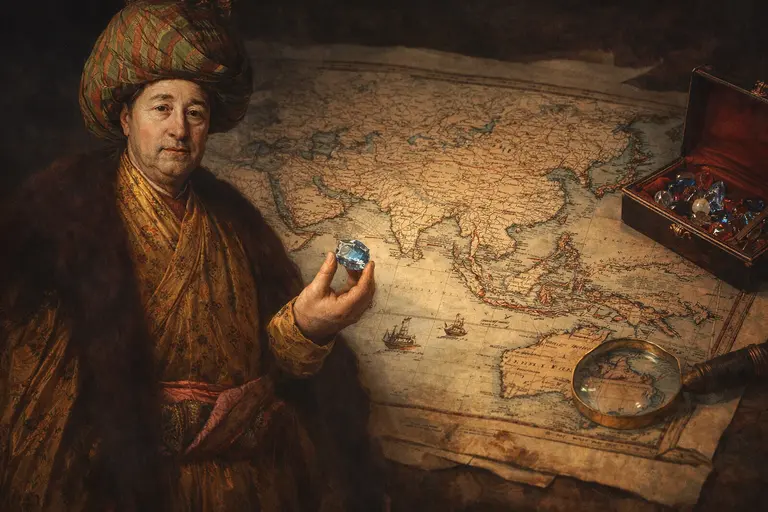
Jean-Baptiste Tavernier was not merely a jeweler behind a quiet counter. Instead, he was a bold adventurer whose Jean-Baptiste Tavernier gem trade strategy relied on riding horses and camels across continents to find the world’s finest gemstones at their source. During the seventeenth century, he sold extraordinary diamonds and colored stones to kings and emperors across Europe and Asia. His business model rested on three specific pillars: go directly to the source, earn deep trust, and know your product better than anyone else in the room.
Today, the gemstone world looks dramatically different; however, the core principles of the Jean-Baptiste Tavernier gem trade have not aged a day. If he were alive and trading right now, he would adapt to digital tools quickly while outperforming his competitors through superior networking. More importantly, his story holds real, practical lessons for everyday people, not just elite billionaire collectors. By studying his methods, we can learn how to navigate modern markets with the same precision he used centuries ago.
Why Tavernier Would Still Source Gems Directly
Tavernier’s greatest competitive advantage was straightforward: he traveled directly to gemstone-producing regions while most merchants stayed home. Today, he would follow exactly the same strategy to ensure quality and price control. Instead of waiting for gems to arrive at trade fairs, he would visit the modern equivalents of his historical routes.
He would travel to Colombia to inspect emeralds and explore East Africa to evaluate tanzanite. Consequently, he would cut out unnecessary intermediaries and pass the savings on to his clients. This direct approach is essential because the silver supply chain from mine to jewelry shows how much value is lost through middlemen. Furthermore, modern tools would make his sourcing even sharper. Advanced scanning technology now helps traders estimate the yield of rough diamonds before cutting begins. For anyone interested in quality grading, the Gemological Institute of America (GIA) offers excellent resources.
Science and Certification in the Modern Era
In Tavernier’s time, a merchant’s word was his bond. Buyers trusted him because he had earned that trust through years of reliable dealings. Today, however, trust in the gemstone trade also requires independent documentation. A modern version of the Jean-Baptiste Tavernier gem trade would therefore use laboratory reports to support every major transaction.
He would work with leading gem labs to confirm whether a stone is natural, treated, or synthetic. These reports give buyers independent proof that protects both sides of the deal. Furthermore, blockchain-based tracking systems are beginning to change how the industry documents a gem’s journey. Although these systems are not yet universal, they add a layer of transparency that Tavernier would have loved. Today’s buyers increasingly demand traceable sourcing, a trend also seen in the debate over deep-sea mining benefits and risks. For a deeper look at ethics, the Responsible Jewellery Council provides accessible guidance.
Relationships Over Retail: The Tavernier Network
Tavernier never ran a traditional store; instead, he ran a global network. He knew which rulers wanted specific stones, he timed his visits carefully, and he always arrived with something worth seeing. That model translates perfectly into modern business practice where personal branding is key.
Today, a trader operating this way would work primarily through referrals. He would build connections with private wealth advisers and trusted community networks. Consequently, his client base would grow through trust rather than through massive advertising budgets. This is a vital lesson for ordinary people in any industry. Businesses that survive long-term build success through relationships. Tavernier understood this long before modern marketing existed, much like how the world’s oldest company lessons for Keralam emphasize the power of reputation over centuries.
Security, Risk, and the “Sheepdog” Mentality
High-value gemstones require serious protection. The real gemstone trade depends on careful logistics and verified identities. A modern Tavernier would work with specialist secure transport firms to move inventory safely. He would verify every client thoroughly before arranging a private viewing.
Because of these precautions, both buyers and sellers would gain greater confidence. Risk management is a specialized skill, much like the trade skills that stay ahead of AI in India, that requires human judgment. These protectors act as the industry sheepdogs in tech and jewelry, ensuring that chaos never disrupts the flow of trade. For everyday shoppers, the lesson is clear: always buy from verified sellers and use secure payment methods for every purchase.
What Everyday Consumers Can Learn from the Tavernier Strategy
Most people will never purchase a rare ruby or a historic diamond; nevertheless, Tavernier’s career offers lessons that apply to almost any field. First, go to the source whenever possible. Whether you are buying gemstones or learning a new skill, direct knowledge beats secondhand information every time.
Second, you must build real, lasting relationships. Clients who trust you personally will stay loyal far longer than those found through a random advertisement. Third, use every available technological tool. Tavernier was never nostalgic; he used the best maps and information available. Today, that means using technology to make smarter decisions faster. This is especially true as gold demand shifts from jewelry to investment, changing how people view value. Finally, remember that your reputation is your most durable asset.
FAQ About the Jean-Baptiste Tavernier Gem Trade
Who exactly was Jean-Baptiste Tavernier?
Tavernier was a 17th-century French merchant famous for traveling to Asia to find exceptional diamonds. He famously sold the “Blue Diamond” to King Louis XIV, which later became known as the Hope Diamond.
How would Tavernier handle the rise of lab-grown gems?
He would likely treat them as a separate category. Because Tavernier valued rarity and origin, he would focus on natural stones while using as a way to find unique, historical pieces.
Does the Jean-Baptiste Tavernier gem trade still exist today?
Yes, many high-end private “dealers” operate exactly like him. They do not have stores; instead, they travel the world and sell directly to a private list of elite collectors.
Why did Tavernier prefer diamonds from India?
During his time, the Golconda mines in India produced the world’s finest diamonds. Tavernier recognized their superior clarity, which is why synthetic gems in fiber optics still strive for that same level of molecular purity today.
What can a small business owner learn from Tavernier?
The most practical lesson is to master your niche. Tavernier was a world-class expert on gems, which made him indispensable to the most powerful people on Earth.
Disclaimer
This article explores how historical trading methods might apply today. It is written for educational purposes only. The author has no financial affiliation with the companies mentioned. Readers should conduct independent research and consult qualified professionals before making any gemstone or investment decisions.