Introduction to Loktak Lake and Peridot Inclusions
Nature often surprises us with patterns that echo across wildly different scales. Sometimes a sprawling landscape recalls a famous painting; other times, it recreates a detail that gemologists usually study only under a microscope. Indeed, Loktak Lake in Manipur, the largest natural freshwater lake in Northeast India, offers exactly that kind of breathtaking surprise. Specifically, the relationship between Loktak Lake and peridot inclusions provides a unique study in visual symmetry.
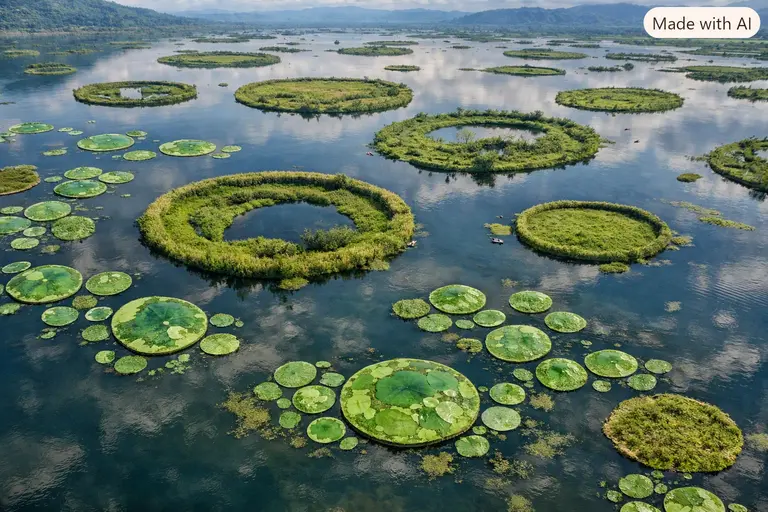
From an aerial perspective, Loktak Lake reveals hundreds of floating circular islands scattered across calm, emerald water. Remarkably, this view closely resembles the famous “lily pad” inclusions that gemologists find inside natural peridot stones. Although the lake and the gemstone share no direct geological link, the resemblance still stops travelers in their tracks. Therefore, gem lovers and photographers alike tend to remember this lake long after they leave. Additionally, you can explore our guide on natural gemstone inclusions to understand this connection further.
Symmetry of Loktak Lake and Peridot Inclusions
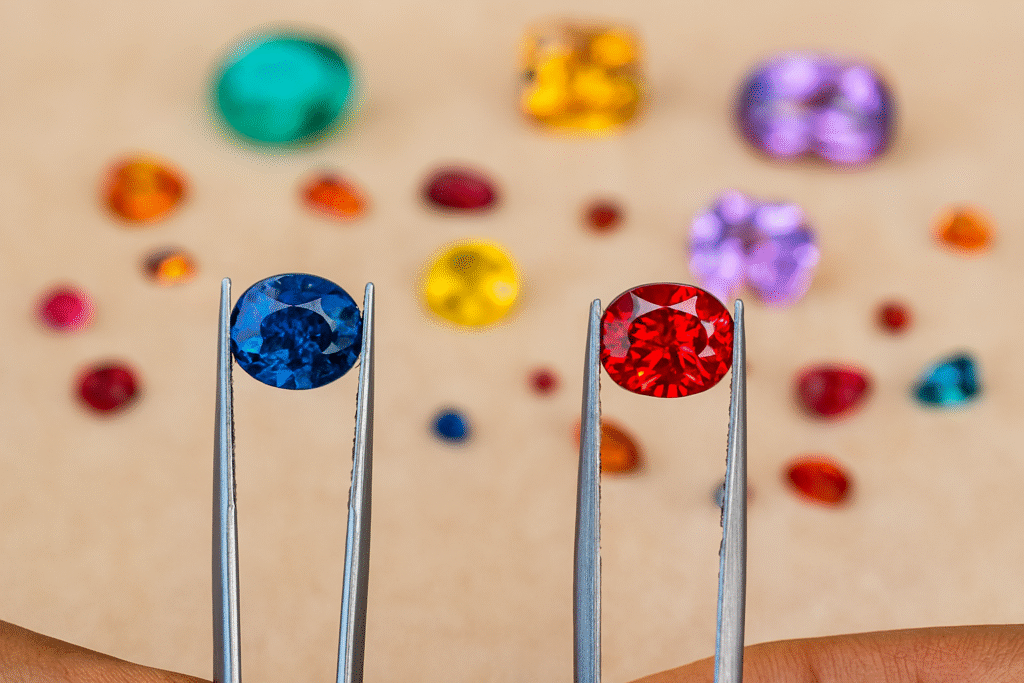
Generally, the comparison becomes obvious once you place a high-altitude photo of Loktak Lake beside a magnified image of a peridot. Inside natural peridot, tiny chromite crystals often trigger circular stress fractures. Gem experts call these “lily pad” inclusions because of their rounded, organic appearance. Consequently, gemologists rely on these markings to identify natural peridot and separate it from synthetic imitations.
Similarly, Loktak Lake holds countless floating mats of vegetation called phumdis. Notably, these rounded green patches drift across the water and form a pattern that perfectly echoes those microscopic mineral fractures. To learn how experts identify these features in the lab, read the specialized guide on how to identify natural peridot. While the lake islands grow from roots and soil, the gemstone features grow from atomic pressure; nevertheless, the visual result is nearly identical. This phenomenon is a prime example of the hidden networks in nature and business that create consistent patterns across the universe.
Ecosystem of Loktak Lake and Peridot Inclusions
Loktak Lake offers far more than just a pretty view for photographers. Instead, it functions as one of India’s most unusual and vital freshwater ecosystems. The phumdis thicken over many years into sturdy mats strong enough to support temporary fishing huts, small homes, and even narrow footpaths for the local community.
Furthermore, the lake contains the Keibul Lamjao National Park, which holds the title of the world’s only floating national park. Notably, this unique reserve shelters the endangered Sangai, also known as the “dancing deer” of Manipur. This park serves as the last natural home for this rare species. Therefore, the lake draws nature lovers and researchers from across the globe who wish to witness this biological marvel. Meanwhile, you can check current global conservation updates through the Ramsar Convention on Wetlands. This level of ecological oversight is similar to how industry sheepdogs in tech and jewelry manage quality and safety in global trade.
Human Impact on Loktak Lake and Peridot Inclusions
Yes, people classify Loktak Lake as entirely natural, as it has existed for thousands of years inside a tectonic basin. However, human activity has significantly reshaped its delicate ecosystem in recent decades. Specifically, the most impactful change followed the construction of the Ithai Barrage, which began operating in 1983.
Previously, seasonal water-level changes allowed the phumdis to settle on the lakebed and absorb nutrients from the soil before rising again during the monsoon. Today, the barrage maintains a constant high water level for hydroelectric power. Consequently, this cycle runs far less smoothly, causing some phumdis to grow thinner or break apart. In addition, local fishermen create circular floating fish enclosures called athaphums. These artificial structures further deepen the lake’s resemblance to Loktak Lake and peridot inclusions, as they add even more geometric circles to the water’s surface. This management of resources is a core lesson we can learn from the world’s oldest company lessons for Keralam, where long-term sustainability must outweigh short-term gains.
Travel Guide for Loktak Lake and Peridot Inclusions
Loktak Lake holds no actual gemstone deposits, and visitors should not expect to find minerals nearby. Specifically, the lake consists of organic peat, clay, and alluvial sediment. It shares no geological connection with the magnesium-rich mantle rocks where peridot actually forms. Nevertheless, gem collectors and jewelry designers find immense inspiration here.
Designing with Loktak Lake and Peridot Inclusions
Viewing the lake from Karang Island often feels like peering through a 10x jeweler’s loupe. For a designer, the phumdis provide a natural mood board for “organic” jewelry collections. Furthermore, you can explore the mineral version of this beauty in the article on the fascinating world of peridot gemstones.
Regional History of Loktak Lake and Peridot Inclusions
Overall, a trip to Loktak Lake delivers more than just scientific curiosity. Nearby Moirang carries significant historical weight for all Indians. The INA Memorial Complex marks the spot where the Indian National Army raised the tricolor on the Indian mainland for the first time in 1944. Consequently, a visit here combines natural wonder with national pride. You can plan your logistics using resources from the official Manipur Tourism website.
FAQ About Loktak Lake and Peridot Inclusions
Why exactly does Loktak Lake look like a peridot?
From an aerial view, the floating circular phumdis create a pattern that mirrors the “lily pad” stress fractures (chromite inclusions) found inside high-quality natural peridot.
Is the Keibul Lamjao National Park safe to visit?
Yes, it is safe and open to tourists. However, you should hire a local guide to navigate the floating paths, as the terrain is literally made of floating vegetation and requires expert knowledge.
What is the best time of year to see the “lily pad” pattern?
October through March offers the best visibility. During these months, the weather is clear, and the water is calm, allowing the circular shapes of the phumdis to stand out sharply against the blue-green water.
Can I stay on the floating islands?
Yes, several eco-tourism initiatives now offer floating homestays. These allow you to experience the unique lifestyle of the fishing communities who live directly on the phumdis.
Is peridot a rare gemstone?
While peridot is common in smaller sizes, large, clean stones with vivid “lily pad” inclusions are highly prized by collectors for their character and proof of natural origin.
Disclaimer
This article uses Loktak Lake and natural peridot purely for visual and educational comparison. The similarity discussed rests solely on external appearance. The author has no financial affiliation with the tourism boards mentioned. Always verify current travel advisories and environmental regulations before visiting protected wetlands. Data reflects the situation as of August 2026.