Buying Guides

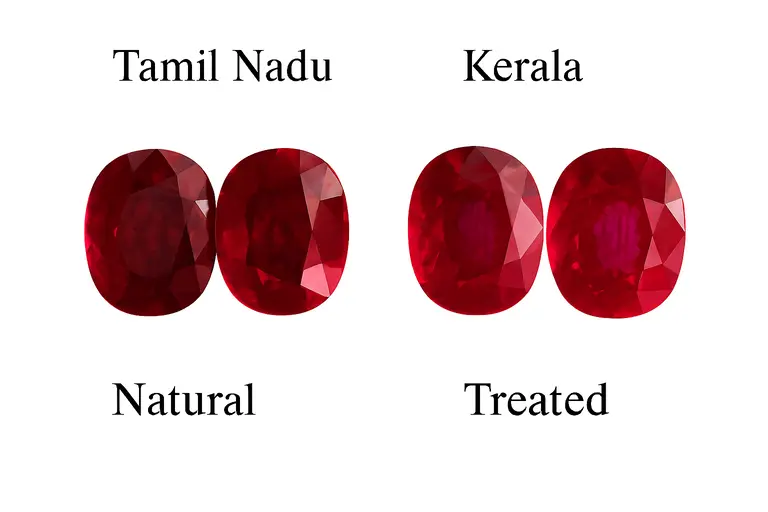
Kempu ruby comparison between Tamil Nadu and Kerala with natural and treated stones

Kempu Ruby Tamil Nadu Kerala – An Expert Buying Guide

Introduction You love the deep red of a Kempu ruby. Yet when you compare Kempu Ruby Tamil Nadu Kerala markets, you see clear differences in color, treatment, and cut. As a result, you must know why these gaps exist before you spend your money. How Kempu Ruby Tamil Nadu Kerala Sourcing Changes Your Stone To […]

Kempu Ruby Tamil Nadu Kerala – An Expert Buying Guide Read More »
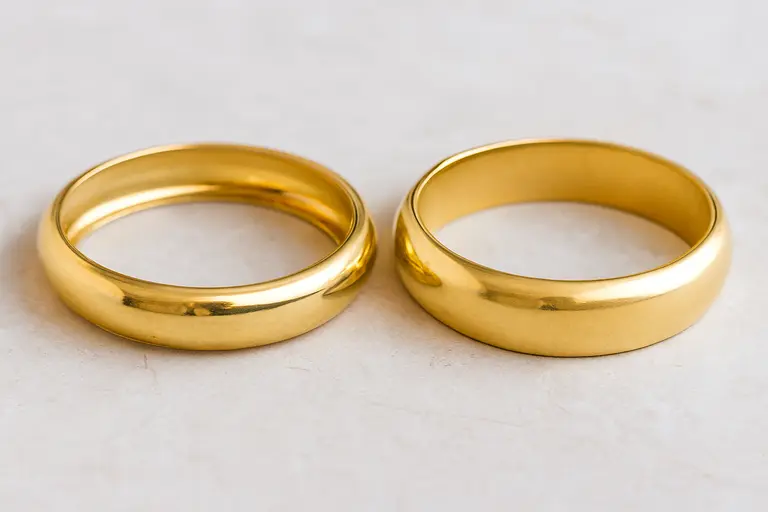
Hollow vs solid gold bangles comparison

Hollow vs Solid Gold Bangles: Kerala Gemologist’s Guide

Summary Compare Hollow vs. Solid Gold Bangles with Insights from a Kerala Gemologist. Understand the difference in strength, weight, and value. Decide which suits your lifestyle — everyday use or special occasions. Introduction Many first-time buyers ask me about Hollow vs Solid Gold Bangles. Both look stunning, but they behave differently in daily life. Your

Hollow vs Solid Gold Bangles: Kerala Gemologist’s Guide Read More »

Buying gemstones online — gemstone colors on screen vs reality

Buying Gemstones Online: Avoid the Screen Color Mistake

Table of Contents Buying gemstones online can be risky, as screens distort colors, photos are often enhanced with lighting, and weak return policies leave buyers unprotected. Understanding these risks helps you shop smarter and avoid costly mistakes in online gemstone purchases. Why gemstone colors appear different when buying online A ruby may look vivid on

Buying Gemstones Online: Avoid the Screen Color Mistake Read More »

Why is that tiny rock so expensive – gemstone rarity, condition, aesthetics, provenance explained

Why Is That Tiny Rock So Expensive? Gemstone Price Factors

When you see a small gem with a huge price tag, the question comes naturally: why is that tiny rock so expensive? The answer lies in four price drivers—rarity, condition, aesthetics, and provenance. Rarity Creates Value The rarer a gemstone, the higher the cost. Less than 1% of mined diamonds qualify for fine jewelry. A

Why Is That Tiny Rock So Expensive? Gemstone Price Factors Read More »

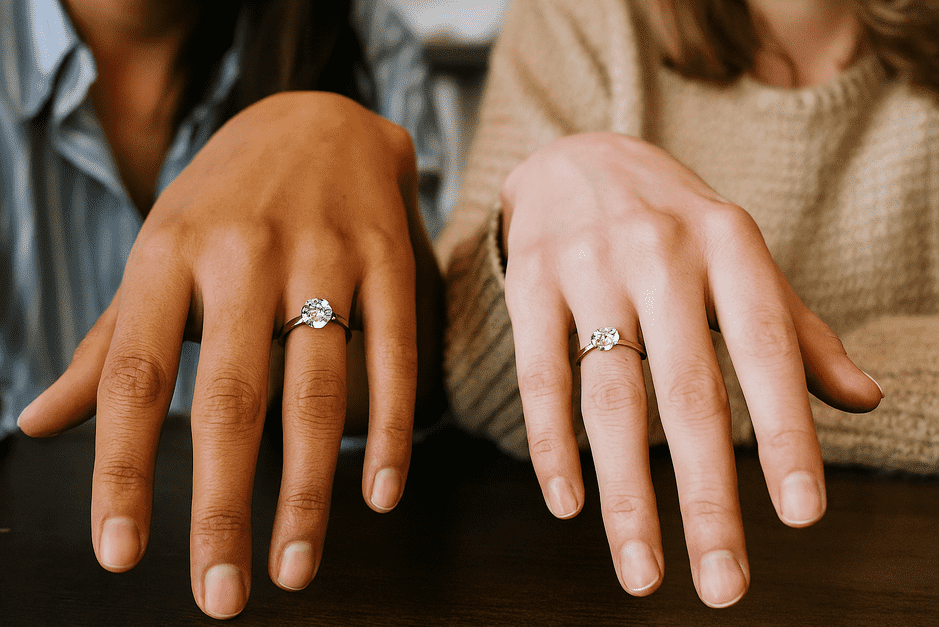
A side-by-side view of two diamond rings symbolizing comparison between friends.

Stop the Comparison Curse: Find Your Perfect Diamond

Buying a diamond is deeply personal. Yet many buyers fall into what I call “the comparison curse.” The moment a friend shows off their engagement ring, the thought comes: “I want mine to be bigger, clearer, or better.” The truth is simple: every diamond is unique, just like every buyer’s story. Chasing someone else’s stone

Stop the Comparison Curse: Find Your Perfect Diamond Read More »

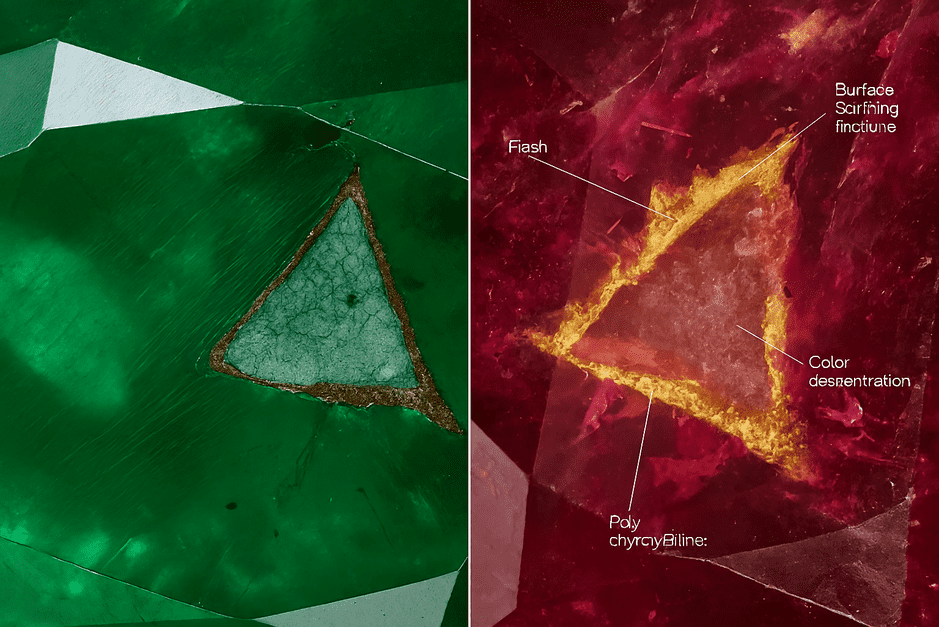
Fracture-filled emerald showing flash effect under loupe

Fracture-Filled Emerald Ruby | Spot the Flash Effect

Summary Many emeralds and rubies on the market are fracture-filled with glass or resin to improve their clarity. You can identify these treated gems by spotting the flash effect—bright color flashes seen through a loupe. This guide explains how fracture-filling works, how to detect it, and why it matters for gem buyers and collectors. Introduction

Fracture-Filled Emerald Ruby | Spot the Flash Effect Read More »

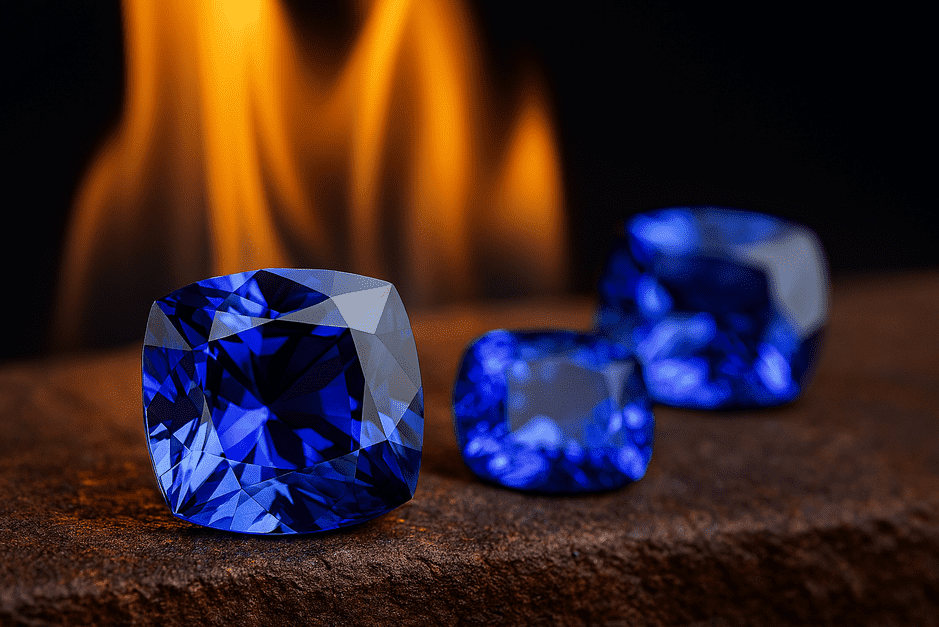
tanzanite gemstone after heat treatment showing vivid blue violet color

Why Tanzanite Is Heated — And Why It’s Perfectly Natural

Summary Almost every tanzanite on the market is heated to reveal its vivid blue-violet color. The process is permanent, stable, and globally accepted. Heating doesn’t reduce authenticity or value—instead, it it enhances the gem’s natural beauty, much like polishing perfects a diamond. Introduction When you first learn that heat treatment in tanzanite is standard, you

Why Tanzanite Is Heated — And Why It’s Perfectly Natural Read More »

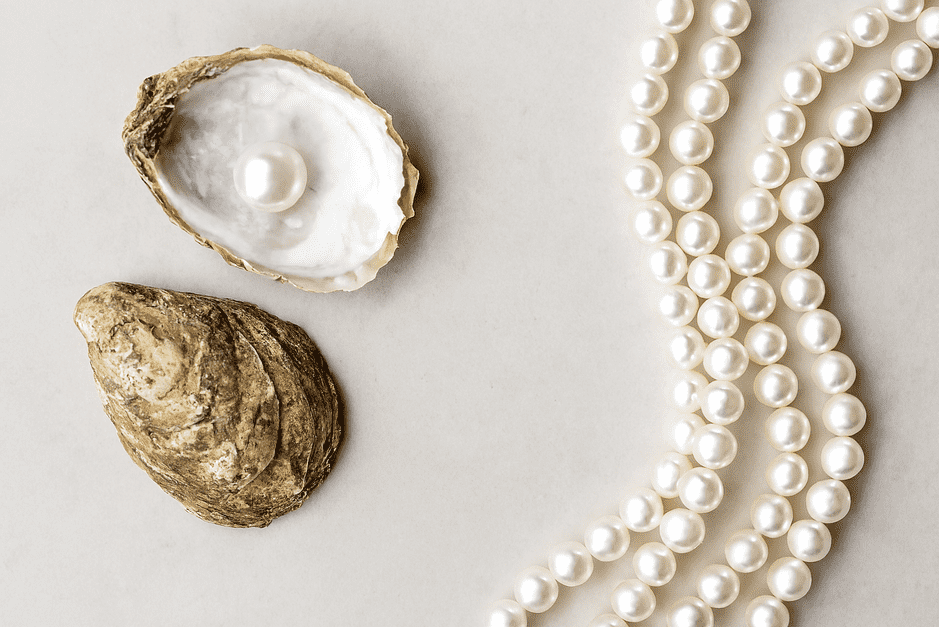
A side-by-side view of a natural pearl and a cultured pearl, illustrating their differing origins with a visual analogy of a wild berry versus a farmed berry.

Natural vs. Cultured Pearls: Don’t Make This Common Mistake

Summary Many buyers still confuse natural and cultured pearls. This article uses a simple wild berry vs. farmed berry analogy to explain how each type forms, why the price gap exists, and what to check before buying. Learn to tell them apart, avoid paying more than you should, and appreciate the beauty behind your pearls.

Natural vs. Cultured Pearls: Don’t Make This Common Mistake Read More »