Introduction to AGTA and India’s Jewelry Awards
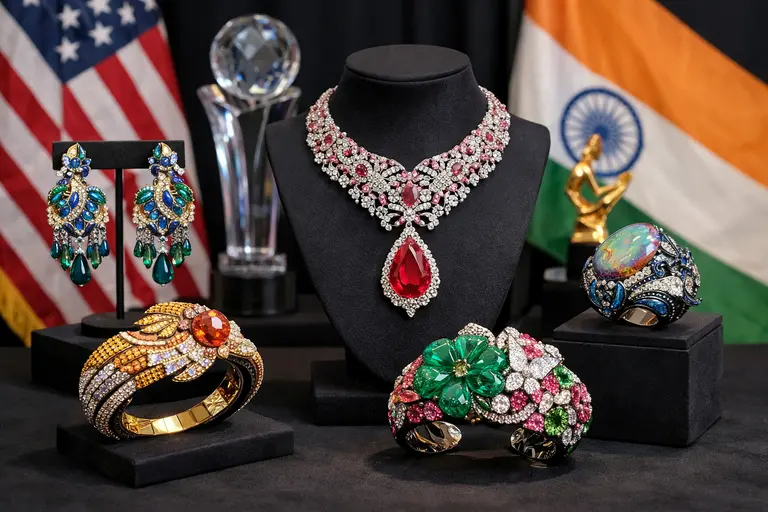
Jewelry awards do much more than celebrate beauty; they establish the global benchmarks for gemstone cutting and design excellence. Comparing AGTA and India’s jewelry awards reveals how international standards and local heritage influence the trends that eventually reach everyday shoppers. In the United States, AGTA sets the pace for colored stones through its Spectrum and Cutting Edge categories. Meanwhile, Indian competitions like The Artisan Awards highlight unparalleled technical craftsmanship and heritage storytelling. Consequently, understanding these elite award programs helps consumers identify genuine quality in any jewelry purchase.
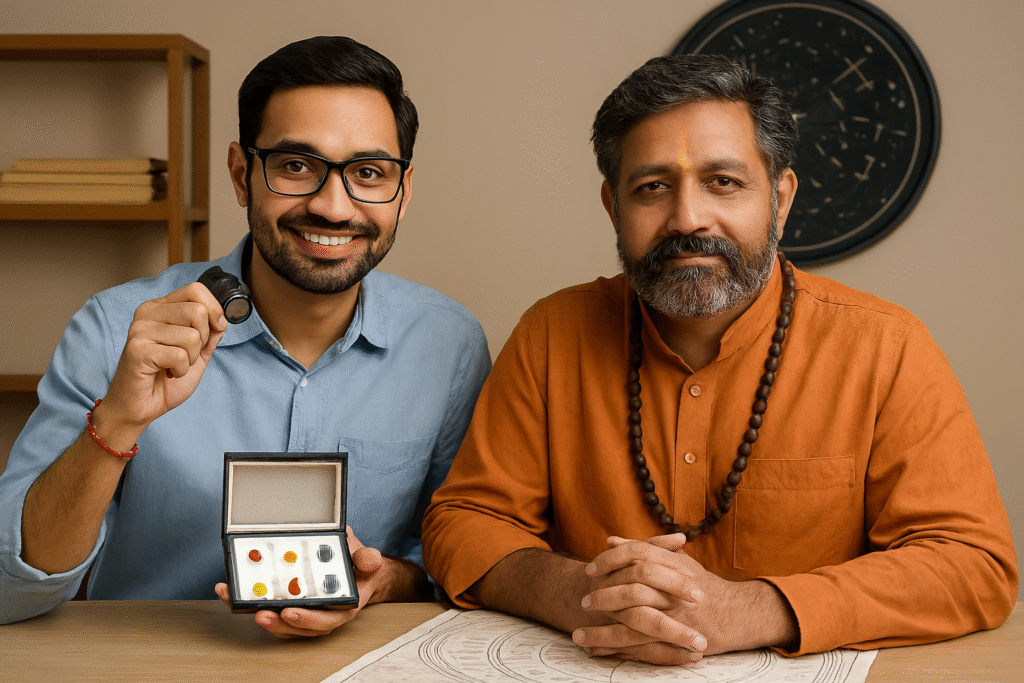
In India, competitions such as The Artisan Awards, the Jewellery Crafts Design Competition, and the JJS-IJ Design Awards celebrate heritage, craftsmanship, and the creative use of gemstones. Although these programs follow different formats, they share a common goal: honoring creativity and technical skill. For everyday Indian buyers, however, the comparison between AGTA and India’s jewelry awards offers genuinely useful lessons. By understanding these standards, you can learn to identify quality beyond the price tag. For instance, understanding how professionals evaluate a stone helps you make a more informed purchase decision. To see how these standards apply to rare finds, you can .
Format Differences: AGTA and India’s Jewelry Awards
Above all, the most significant difference lies in how each system treats gemstones and craftsmanship. Specifically, the AGTA Spectrum Awards honor finished jewelry featuring natural colored gemstones and cultured pearls. The Cutting Edge Awards, by contrast, recognize lapidary achievement on its own. As a result, exceptional faceted gemstones, carvings, and innovative cutting techniques can win recognition as independent works of art. This happens even before the stones enter a metal setting.
By comparison, India’s leading jewelry awards generally evaluate gemstones as part of a finished, holistic piece rather than as separate entries. Consequently, judges assess how well the gemstones complement the overall design, setting quality, and traditional motifs. Overall, each format reflects a distinct philosophy. The American system celebrates the individual artistry of the gem cutter. Conversely, the Indian system emphasizes the harmony between gemstones, grand design, and traditional cultural craft. This holistic view is vital when building India’s global brands for the international market.
Buyer Lessons from AGTA and India’s Jewelry Awards
Naturally, most Indian buyers focus on gold purity, gemstone weight, and resale value. Nevertheless, these award programs encourage a broader way of evaluating your personal collection.
Gem Cutting in AGTA and India’s Jewelry Awards
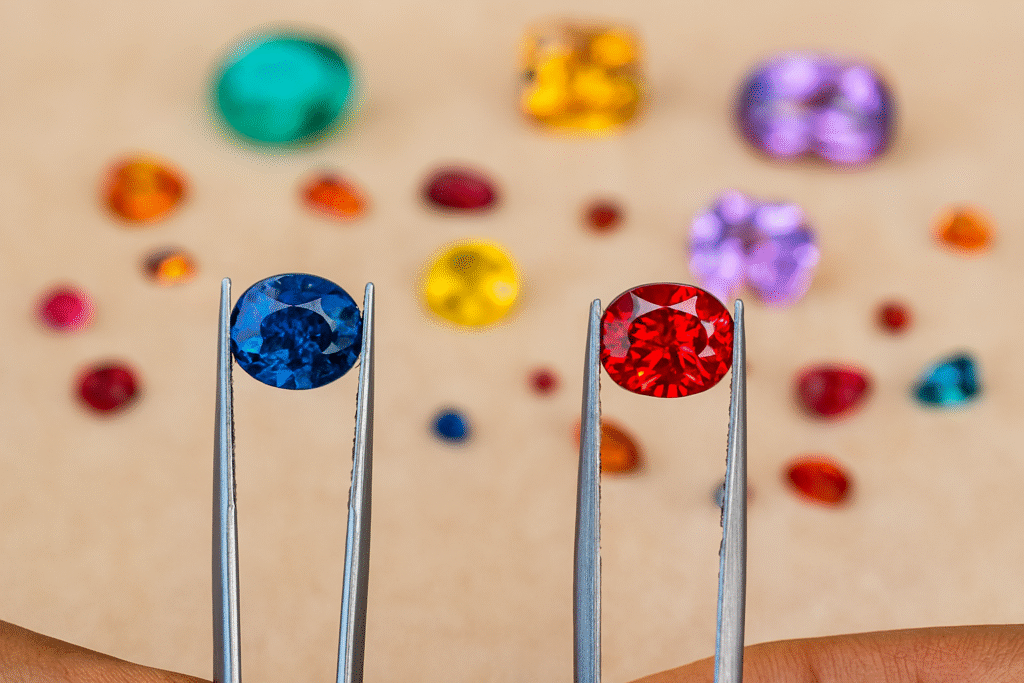
First, buyers can learn to value the precision of gemstone cutting. Specifically, a masterfully cut stone often shows better brilliance and richer color than a larger stone with an average cut. Therefore, AGTA’s dedicated lapidary awards remind buyers that skilled cutting genuinely affects a gemstone’s beauty and worth. You should not judge a stone solely by its carat weight; instead, you must consider its “life” and light performance.
Design Trends from AGTA and India’s Jewelry Awards
Second, buyers can appreciate the importance of original design. For instance, the Artisan Awards demonstrate that outstanding jewelry requires far more than precious materials alone. Originality, engineering, and storytelling can transform similar gemstones into entirely different creations. When you buy a piece, you should ask if the design enhances the stone or simply holds it. This level of scrutiny is exactly what industry sheepdogs in tech and jewelry use to maintain high standards.
Traditional Skills in Indian Jewelry Awards
Finally, buyers can gain a deeper understanding of traditional Indian craftsmanship. Notably, the Jewellery Crafts Design Competition highlights techniques such as Meenakari, Filigree, and Nakashi. At the same time, contemporary designers adapt these heritage skills into lighter, more wearable pieces. Consequently, traditional craftsmanship keeps evolving alongside modern lifestyles. For a deeper look at specific Indian techniques, see our article on Portuguese and Indian filigree jewelry compared.
Jaipur’s Impact on AGTA and India’s Jewelry Awards
In fact, Jaipur has earned global recognition as a leading center for colored gemstone cutting and trading. Accordingly, the JJS-IJ Design Awards place a strong emphasis on creative gemstone use. Frequently, designers there experiment with custom cuts and unusual color pairings. In this way, the awards demonstrate how traditional gemstone expertise blends with modern design thinking.
This reinforces Jaipur’s continuing influence on the global gemstone trade. For readers who want to explore this further, you can visit the Gem & Jewellery Export Promotion Council (GJEPC) website for official industry reports. This regional excellence proves that localized knowledge is a powerful asset in a globalized economy.
Market Value of AGTA and India’s Jewelry Awards
Admittedly, many buyers assume awards only matter to luxury brands with massive budgets. In reality, though, they influence the wider mass market. Often, award-winning ideas inspire future commercial collections. Innovative cuts and fresh color combinations gradually become available at accessible price points for everyone.
Consequently, everyday buyers benefit from this creativity even if they never purchase an award-winning masterpiece. More importantly, these programs encourage shoppers to evaluate jewelry more thoughtfully. You should consider comfort and originality alongside gold weight. By doing so, you become a more sophisticated consumer who values the long-term integrity of your jewelry.
FAQ About AGTA and India’s Jewelry Awards
Why does AGTA have separate awards for loose gemstones?
AGTA treats lapidary work as a specialized craft. Therefore, the Cutting Edge Awards honor exceptional faceted gemstones and carvings independently from finished jewelry to highlight the cutter’s skill.
Which is India’s most prestigious jewelry design competition?
Generally, The Artisan Awards, organized by the GJEPC, are widely regarded as among India’s most prestigious. They emphasize artistic storytelling and high-concept themes.
Do Indian jewelry awards recognize gemstone cutting?
Yes, they do. However, most Indian competitions evaluate the cut within the context of the finished piece rather than through separate categories for loose stones.
How do these awards affect the price of jewelry?
Winning an award increases the prestige of a brand or designer. While the winning piece may be very expensive, the techniques and styles used often trickle down into more affordable retail collections.
Where can I see award-winning jewelry?
Many of these pieces are displayed at major trade shows like the Tucson Gem and Mineral Show in the US or the India International Jewellery Show (IIJS) in India.
Disclaimer
This article offers a general comparison based on publicly available information as of 2026. Judging criteria and competition rules can change annually. The author has no financial affiliation with AGTA or the GJEPC. Readers should consult official organization websites for the most current competition details before making professional or investment decisions.