Introduction
The watch and jewellery industry already holds one of its most valuable resources. However, much of the gold and silver in watches and jewellery sits in private collections instead of the production cycle. Indeed, the Watch & Jewellery Initiative 2030 (WJI 2030) explores this stock in its report, Unlocking Decarbonisation through Circularity in the Watch and Jewellery Industry. Moreover, the report shows how circular business models can reduce environmental impact. By shifting our perspective, we can see these private holdings as a potential “urban mine” that sustains the industry without requiring new extraction. To understand the science and craftsmanship behind sustainable sourcing, explore our comprehensive guide to Gemology and Jewellery Education.
How Circular Business Models Create a Global Urban Mine
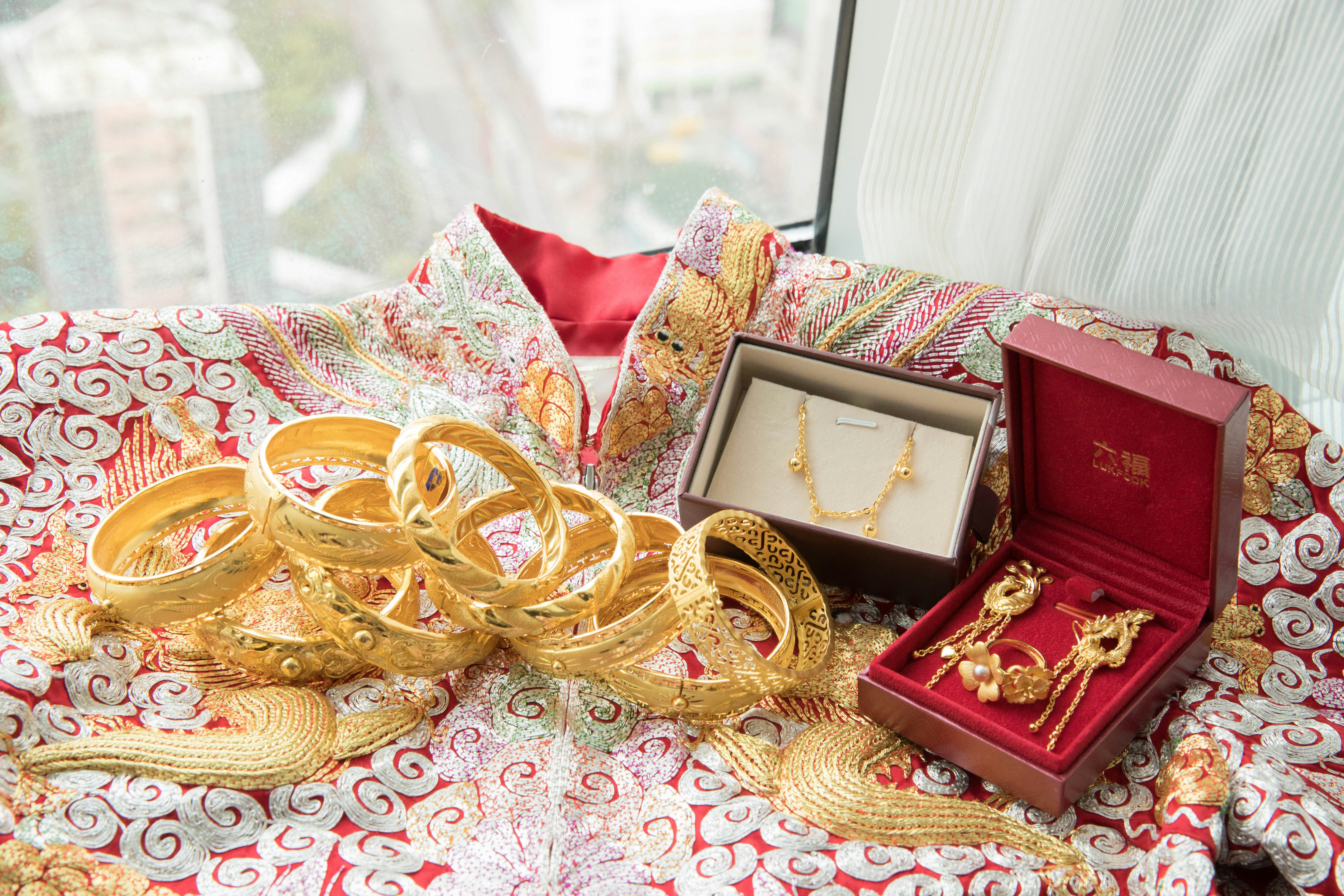
According to WJI 2030, consumers worldwide hold an estimated 97,000 tonnes of gold and 790,000 tonnes of silver in watches and jewellery. However, this metal does not automatically become a resource for new products. For instance, owners keep wearing pieces, preserve heirlooms, or leave items in drawers. Therefore, circularity needs practical routes to repair, resell, trade in, or recycle these pieces. When we activate these routes, we minimize the demand for new mining operations while extending the lifecycle of existing materials.
Applying Circular Business Models to Unworn Luxury Watches
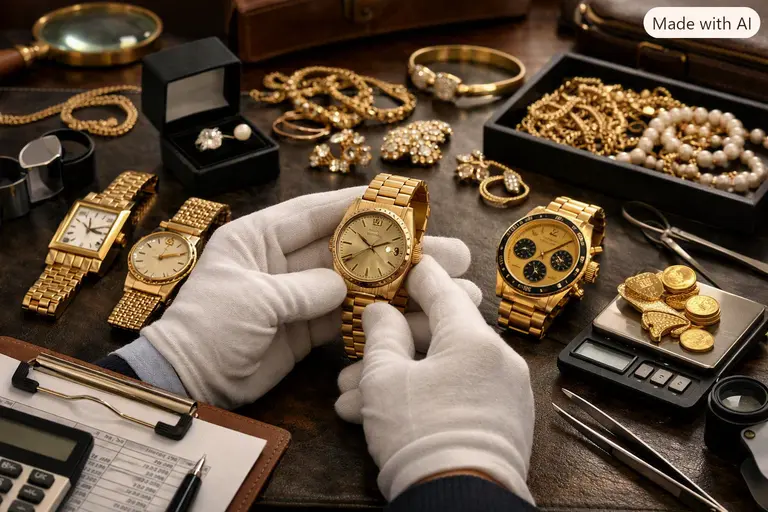
Generally, families treat gold jewellery as savings, gifts, or inherited property. In contrast, luxury watches keep value through brand, condition, provenance, and collectability, as well as their precious metal content. In addition, WJI 2030 cites a Watchfinder & Co. survey in which around half of luxury watch owners say they have at least one watch they never wear. Consequently, many watches could return to circulation. Still, an unworn watch does not equal scrap metal. Indeed, collectors may treasure it as an heirloom or financial asset. Therefore, resale and continued use often preserve far more value than dismantling. Discover how to accurately evaluate and maintain these timepieces by exploring our guide to Luxury Watch Education.
How Certified Pre-Owned Programmes Support Circular Business Models
Certified pre-owned (CPO) programmes also help watches return to active use. For example, Rolex authenticates, services, and tests eligible second-hand watches, then backs them with a two-year international guarantee. This approach builds trust, because buyers want confidence about authenticity and condition, while sellers need credible routes to market. Nevertheless, certification does not unlock the metal inside a watch. In fact, resale keeps the complete watch in circulation and preserves more value than recycling its case. Therefore, circularity does not always mean melting everything down.
Regional Circular Business Models: Europe, the US and Middle East
Because reliable global data on unworn watch collections remains limited, regional claims need care. For example, Europe has long-established brands and secondary markets, while the United States runs an active pre-owned sector and the Middle East hosts important collecting communities. However, the available evidence does not show that any single region holds the largest stock of unworn gold watches. Instead, consider how consumers treat watches after purchase, because one household keeps an old gold watch as an heirloom while another sells it.
What Circular Business Models Mean for Ordinary Consumers
Fortunately, the idea is simple for the 99%. A watch does not become sustainable just because it contains recycled metal. Instead, ask first whether the existing piece can stay useful. For example, a repaired watch can serve another owner. Similarly, redesigned jewellery keeps its metal and craftsmanship intact. Also, remember that sentimental value, resale value, and metal value differ. For instance, a gold watch may hold little recoverable gold compared with its total market value. Consequently, consider the whole object rather than only its weight in gold.
How Taxes Influence Circular Business Models and Markets
Tax rules add another layer to this transition. In the United States, for instance, the IRS states that net capital gains from selling collectibles face a maximum federal rate of 28%. However, the rules depend on the asset and the transaction. Therefore, owners should not assume every watch sale receives stock-sale treatment. Furthermore, the IRS currently states that payment apps and online marketplaces generally must issue Form 1099-K when payments exceed $20,000 and involve more than 200 transactions. Nevertheless, platforms may issue the form at lower amounts, and a missing form does not decide whether a sale creates taxable income. Meanwhile, rules outside the United States vary. Consequently, check local rules before selling valuable pieces. For those operating within the EU, the official European Commission Tax Guidelines provide essential rules regarding regional compliance and cross-border transactions.
The Real Lesson from Circular Business Models and the Urban Mine
Overall, the industry’s future resource base does not sit only underground. However, the industry cannot simply recover 97,000 tonnes of gold or 790,000 tonnes of silver. In other words, those figures describe estimated stocks in consumer-owned pieces, not material ready for immediate recycling. Instead, circularity offers several routes. For example, consumers repair and keep using products, owners sell unwanted pieces, and brands build credible resale channels. Recyclers then recover materials from products that have truly reached the end of their lives. Ultimately, the most sustainable watch may be the one that already exists, stays useful, and moves on to another owner.
Frequently Asked Questions
How much gold do consumers hold in watches and jewellery?
WJI 2030 estimates about 97,000 tonnes of gold and 790,000 tonnes of silver. However, this stock does not equal material ready for recycling
Do half of luxury watch owners have an unworn watch?
Around half say so, according to a Watchfinder & Co. survey that WJI 2030 cites. However, this is a self-reported finding, not a definitive count of every owner worldwide.
Does circularity mean melting old watches?
No. Circularity includes repair, reuse, resale, refurbishment, and recycling. Instead, keeping a valuable watch intact often preserves more value than recovering its metal.
Can certified pre-owned programmes support circularity?
Yes. They address concerns about authenticity. For example, Rolex authenticates, services, and tests its Certified Pre-Owned watches and adds an international guarantee.
Is selling an old gold watch always taxable?
Not always, and rules differ worldwide. In the United States, for instance, certain long-term collectible gains can face a 28% maximum federal rate. Therefore, check your own transaction.
Disclaimer
This article offers general educational information, not financial, tax, legal, or investment advice. Tax treatment varies by jurisdiction and transaction. Therefore, consult a qualified professional before selling, trading, or recycling valuable watches or jewellery. The author has no financial affiliation with the brands or organizations mentioned.