Introduction
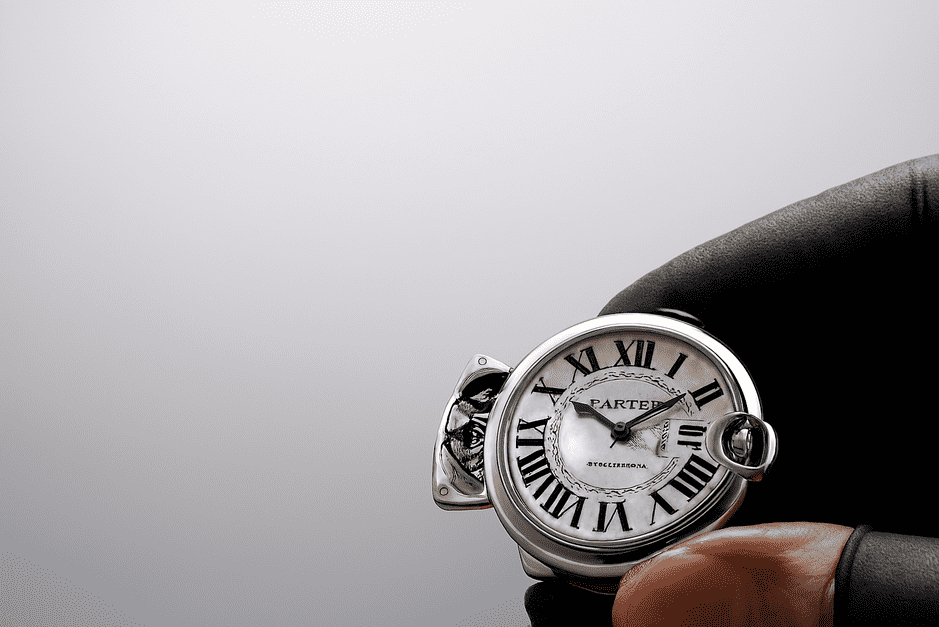
Why does a small metal object sometimes cost as much as a luxury house? In fact, Richard Mille and Patek Philippe answer that question in two very different ways. Both brands sit at the absolute top of mechanical watchmaking, yet they reach that summit from opposite directions. Richard Mille pushes modern materials and sporting performance, while Patek Philippe leans on traditional Geneva craftsmanship and a history that began in 1839. Therefore, understanding these luxury watch price factors requires looking past the brand names and examining the science of scarcity and engineering.
Consequently, buyers never pay only for the time shown on the dial; they pay for engineering, skilled labor, scarcity, and brand reputation. For most watch lovers, however, the useful question is not whether these watches suit an ordinary budget. Instead, we must ask what their price tags teach the rest of us about craftsmanship and value. This article breaks down these luxury watch price factors for enthusiasts who want to understand the true cost of excellence.
Scarcity as Key Luxury Watch Price Factors
First, scarcity shapes luxury-watch pricing in a major way. For example, Patek Philippe produces references in remarkably small series, some numbering only in the tens or low hundreds. As a result, collectors cannot treat these watches like mass-market products. This limited supply naturally fuels intense competition among global buyers. Richard Mille follows a similar path by manufacturing very few pieces each year. By focusing on technically demanding designs, the brand ensures that exclusivity remains a core part of the product.
Furthermore, economists often refer to these items as “Veblen goods.” This means that as the price increases, the desire for the object also rises because it serves as a status symbol. Still, scarcity alone cannot fully explain these high prices. The real story begins deep inside the watch case, where human hands take over from automated machines. To understand how these values are certified, you can explore our guide to gemstone and luxury item verification.
Hand-Finishing and Luxury Watch Price Factors
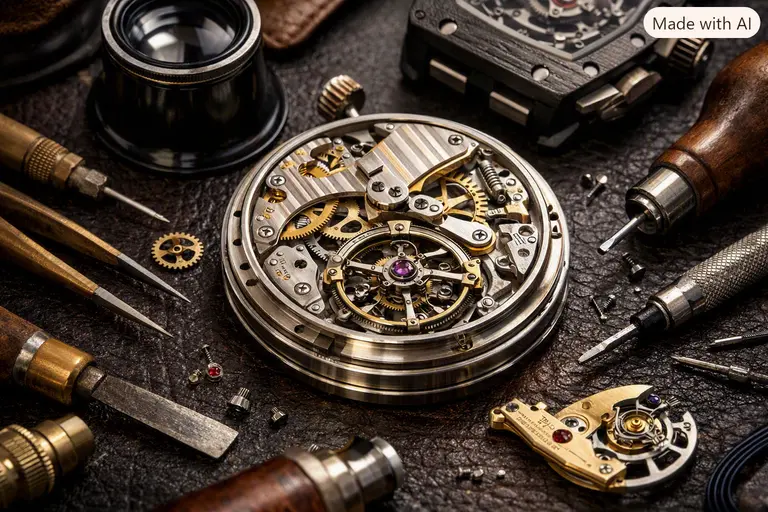
At the top of Swiss watchmaking, machines provide basic precision, while artisans add judgment that machines cannot replicate. For instance, Patek Philippe describes techniques such as bevelling and circular graining as essential standards. Craftspeople often work under high-powered microscopes because the parts are so small that the naked eye cannot see the flaws.
Moreover, complicated watches demand even more manual skill. Perpetual calendars and minute repeaters need extensive hand assembly by master watchmakers with decades of experience. One rare handicraft model reportedly requires around 150 hours of manual dial engraving alone. Therefore, the final price reflects thousands of hours of skilled labor, not merely the cost of raw gold or steel. When you buy a Patek, you are essentially paying for a miniature, hand-carved sculpture that also tells time.
Engineering Innovation and Luxury Watch Price Factors
Richard Mille, in contrast, approaches expensive watchmaking from a contemporary engineering angle. Instead of relying mainly on precious metals like gold, the brand uses high-tech composite materials. These include Carbon TPT and Quartz TPT, which technicians build up layer by layer under intense heat and pressure. For example, the RM 61-01 Ultimate Edition pairs these composites with a skeletonized titanium movement.
Testing reportedly showed these watches surviving impacts beyond 5,000 g-forces. Consequently, these watches resemble small performance machines rather than conventional dress pieces. The brand invests millions into research and development to ensure these watches can survive a professional tennis match or a Formula 1 race. This high-tech research is one of the most significant luxury watch price factors for modern brands.
Mechanical Complications as Luxury Watch Price Factors
A basic mechanical watch already contains hundreds of tiny parts, yet complications raise that difficulty considerably. In short, a complication performs any function beyond simple timekeeping. This includes chronographs, tourbillons, and minute repeaters. Each added feature forces watchmakers to assemble and test the movement with extreme care.
A minute repeater, for example, must coordinate tiny hammers to chime for hours and minutes. Meanwhile, a perpetual calendar must track uneven month lengths and leap years automatically for centuries. Therefore, these complications multiply both the engineering challenge and the final price. Because every additional gear increases the risk of friction or failure, only the world’s best watchmakers can successfully build them.
Heritage and Psychology: Luxury Watch Price Factors
Luxury watches also teach a broader lesson: buyers purchase meaning, not only materials. Patek Philippe has built its reputation since 1839, creating a sense of “generational” ownership. Their famous marketing suggests you never actually own the watch; you merely look after it for the next generation. This creates an emotional bond that justifies a high price.
Richard Mille built a younger, more aggressive identity around motorsport and futuristic design. Either way, the brand’s history and storytelling become part of the value. Furthermore, pricing at this level involves psychology as much as engineering. Indeed, a scarce product grows more desirable simply because few people can obtain it. However, buyers should always separate price from intrinsic quality, since a basic quartz watch can often keep more accurate time than a million-dollar mechanical piece.
Analyzing Investment Potential: Luxury Watch Price Factors
Still, this is where ordinary buyers should stay cautious. Some models perform strongly in the resale market, but that never guarantees appreciation for every reference. This is because condition, rarity, and provenance can move resale value up or down unexpectedly. Therefore, you should treat any expensive watch primarily as a luxury purchase rather than a guaranteed financial vehicle.
What the “99%” can learn from these brands is to study what makes an object desirable. Look past the logo and examine the finishing, the movement architecture, and the after-sales support. Remember that a higher price never automatically means better performance. Instead, it usually means more human labor and more exotic materials. Always buy a watch because you genuinely like the design, rather than because a market trend makes it look essential.
FAQ: Common Questions on Luxury Watch Price Factors
Why are Richard Mille watches so expensive?
Richard Mille combines advanced aerospace materials, complex skeletonized movements, and very limited production. The high cost of R&D and the brand’s “racing machine” branding drive the price.
Why is Patek Philippe considered a gold standard?
In essence, Patek Philippe combines nearly two centuries of expertise with extreme hand-finishing. Their watches are often considered pieces of art rather than just tools.
Which brand has better resale value?
Generally, Patek Philippe has a more established history of holding value. However, certain Richard Mille models have seen massive spikes in the secondary market due to extreme scarcity.
Do these watches require a lot of maintenance?
Yes. Because they are mechanical, they require servicing every 3 to 5 years. These services can cost thousands of dollars because only specialized watchmakers can handle the movements.
What is the most expensive complication?
Usually, the “Grand Complication,” which combines a minute repeater, a perpetual calendar, and a split-seconds chronograph, represents the peak of pricing.
Disclaimer
This article serves general educational purposes only. Luxury-watch prices and resale values can change at any time. Always verify current specifications and warranty terms directly with the manufacturer or an authorized retailer before making a purchase. The author has no financial affiliation with the brands mentioned.