
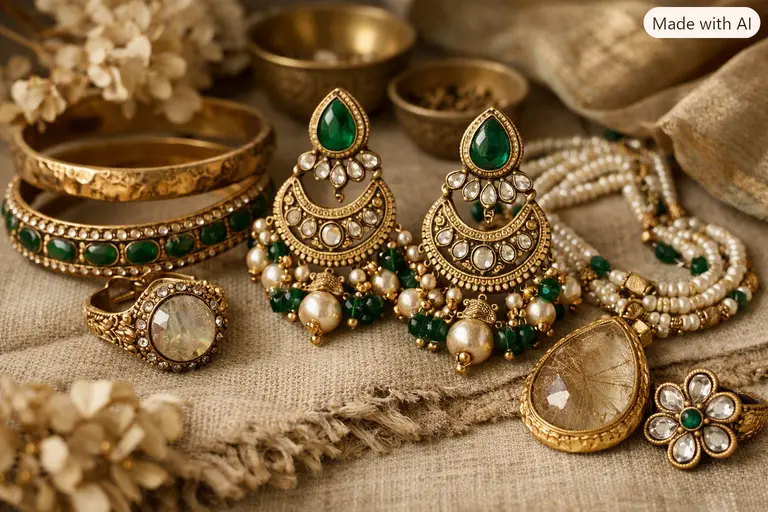
Introduction to Conscious Luxury in India
The current movement toward conscious luxury in India demonstrates how the pursuit of beauty can successfully align with ethical values and social responsibility. While a natural flower blooms and fades within days, a handcrafted jewel or a sustainable textile captures that organic essence and preserves it for many generations. Consequently, the luxury sector in the subcontinent is shifting away from mere excess and toward meaningful, transparent ownership. As a result, fashion, jewelry, and horology now serve as lasting expressions of personal identity that respect both traditional heritage and the modern environment. Therefore, understanding this transition helps consumers make choices that reflect their own integrity and style.
Today, the concept of conscious luxury in India has transformed the way consumers perceive these high-value items. People rarely choose clothing or jewelry to impress an audience. Instead, they pick pieces that reflect their specific personality, memories, and core values. As a result, every carefully chosen accessory tells a unique personal story. India embraced this philosophy long before “sustainability” became a corporate buzzword. Indian textiles and jewelry have carried this idea for centuries. Currently, many Indian designers continue that legacy while adding ethical sourcing and artisan support to the mix. Consequently, luxury now reaches everyday buyers who value substance over status. To understand how these values shape specific trends, you can read our guide on how gemstones shape fashion. Additionally, you can check the Responsible Jewellery Council (RJC) for deeper insight into international ethical standards.
Turning Time and Nature into Lasting Art
Flowers teach us that biological beauty is temporary. Luxury design, though, approaches the concept of time through a different lens. Specifically, many natural diamonds formed over three billion years ago, yet people wear them to mark a single unforgettable engagement or anniversary. Similarly, a mechanical watch converts invisible seconds into visible motion through hundreds of tiny, engineered parts. This level of precision is handled by the same type of industry sheepdogs in tech and jewelry who maintain quality standards globally.
Master jewelers also recreate flowers and birds in precious metals. Although the real flower wilts, its gold and gemstone version can last for centuries. Jewelry, therefore, becomes far more than simple decoration; it becomes a permanent reminder of a meaningful life event. This focus on natural forms is a key reason why Indian designers choose raw diamond and Polki jewelry to celebrate unique, organic textures.
The Shared Language of Fashion and Jewelry
Fashion designers and jewelers draw on the same fundamental artistic principles: proportion, balance, and contrast. Minimalist design proves that simplicity creates true elegance. Specifically, a single diamond solitaire or a sharply tailored blazer communicates confidence through precision. Every detail matters because nothing exists without a clear purpose.
Maximalist design, on the other hand, celebrates cultural abundance. Layered necklaces and richly embroidered fabrics create a sense of visual drama. Although these two styles look completely different, both rely on intentional design rather than random choices. Designers essentially sculpt with fabric and metal just as master sculptors shape clay. This meticulous attention to detail is a hallmark of building India’s global brands in the luxury sector.
Why India Embraces the Conscious Luxury Philosophy
India has celebrated the bond between beauty and impermanence for thousands of years. This idea runs through its ancient art, handloom textiles, and seasonal festivals. Traditional Indian culture recognizes Shad Ritu, the six seasons; consequently, colors and celebrations shift naturally throughout the year. The concept of Navarasa, the nine emotional states, also links artistic expression with human feeling.
Indian jewelry works like a living biography for many families. Parents pass ornaments down through generations, preserving family memory alongside material wealth. Navaratna jewelry, for instance, represents the nine celestial bodies, while Temple jewelry combines artistry with spiritual symbolism. These pieces carry history rather than just gold weight. For a deeper look at the linguistic and historical roots of these gems, see our guide on Sanskrit gem knowledge and ancient trade.
Conscious Luxury for the Modern Indian Consumer
Today, conscious luxury in India means that consumers want to know where products come from and how they affect the planet. Many designers now blend traditional craft with responsible production methods. Anita Dongre supports rural artisans through her Grassroot initiative, while Rahul Mishra creates sustainable village employment through high-fashion embroidery.
Jewelry has embraced this shift as well. Brands like Aulerth design semi-precious pieces from recycled metals, while Conscious Carat utilizes lab-grown diamonds to reduce the environmental footprint of mining. These brands preserve Indian craftsmanship while meeting modern ethical expectations. This business strategy follows the “Honeybee” model of value transformation, which we discuss in our guide to the three business models: ants, spiders, and honeybees.
FAQ About Conscious Luxury in India
What exactly defines “conscious luxury”?
Conscious luxury refers to high-end products made with a focus on ethical sourcing, fair labor practices, and environmental sustainability, ensuring the item has a positive social impact.
Why is conscious luxury in India growing so fast?
It is growing because the younger generation of Indian consumers prioritizes transparency and social responsibility. They want their luxury purchases to align with their personal ethics.
Are lab-grown diamonds a part of conscious luxury?
Yes, many designers include lab-grown diamonds in conscious luxury in India because they offer a traceable, conflict-free alternative to traditional mined diamonds.
How can I identify a sustainable jewelry brand?
You should look for certifications from organizations like the RJC and check for transparency in their supply chain. Reputable brands will openly share information about their artisans and material origins.
Is conscious luxury more expensive than traditional luxury?
Not necessarily. While ethical sourcing has costs, many conscious brands reduce overhead by selling directly to consumers or using recycled materials, keeping prices competitive.
Disclaimer
This article serves educational and informational purposes only. The author has no financial affiliation with the designers or brands mentioned. Sustainability claims and certifications may change over time; therefore, readers should independently verify current information before making significant purchasing or investment decisions. Market data reflects trends as of August 2026.