Introduction to the Steel Jewellery Buying Guide
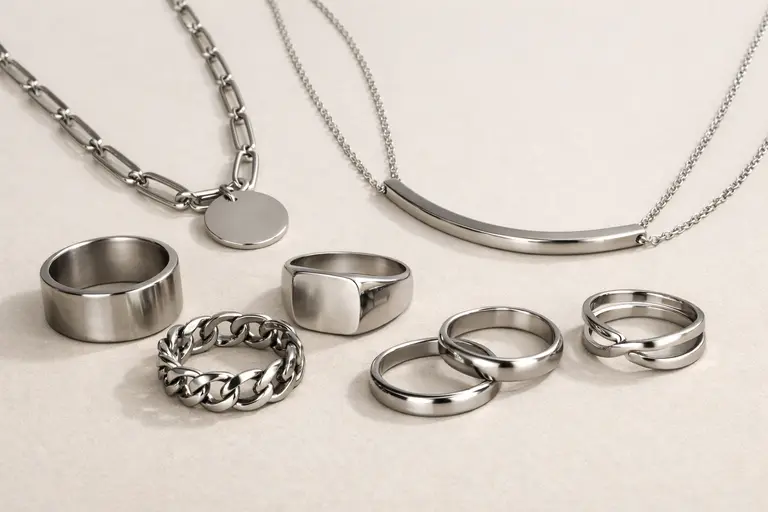
Finding a reliable steel jewellery buying guide has become essential as stainless steel transforms from an industrial material into a global fashion staple. Today, millions of people wear steel necklaces and rings because they prioritize durability and affordability over traditional status symbols. This rise reflects a broader shift in personal style, making high-quality metal accessible to every budget. If you want to build a versatile collection without the high cost of precious metals, understanding the nuances of this material is the first step toward a smart purchase.
Moreover, the popularity of steel in India is growing due to its ability to withstand harsh environmental conditions. Whether you live in a coastal city with high salt air or a busy metro with constant humidity, steel maintains its luster better than many traditional alternatives. This article explains what makes the metal unique, how it compares to gold, and how you can spot the best quality. Consequently, you will gain the confidence to invest in pieces that look great and last for years. For more on managing high-value assets, you can read our guide on industry sheepdogs in tech and jewelry.
Materials in This Steel Jewellery Buying Guide
Stainless steel is an alloy of iron, carbon, and at least 10.5% chromium. When chromium reacts with oxygen in the air, it forms an ultra-thin, invisible protective layer on the surface. In fact, this layer is self-repairing. This means it continuously shields the metal from rust, oxidation, and corrosion. As a result, stainless steel stays bright and clean even after years of regular wear.
Grade Facts for a Steel Jewellery Buying Guide
Jewellery manufacturers primarily use two specific grades. Grade 304 works well for fashion jewellery because it offers reliable durability at a lower cost. However, Grade 316L, also known as surgical stainless steel, is the superior choice for high-end pieces. 316L contains molybdenum, which significantly strengthens its resistance to sweat, humidity, and saltwater. Consequently, 316L performs particularly well in the warm and humid climates found across South Asia. Therefore, you should always check the grade before finalizing a purchase.
Safety Tips in the Steel Jewellery Buying Guide
Furthermore, 316L suits most people with sensitive skin. While both grades contain nickel, the metal is tightly bound within the alloy’s crystalline structure. Because of this molecular bond, the amount of nickel that actually reaches your skin remains minimal. Nevertheless, those with severe nickel allergies should consult a jeweller before buying. This level of material safety is as critical as understanding chemical treatments in colored gemstones before investing.
Benefits of the Steel Jewellery Buying Guide
Several reasons explain why stainless steel has moved from the margins to the mainstream in India. First, it offers outstanding value for money. Steel jewellery can closely resemble white gold or platinum in appearance but costs only a fraction of the price. Therefore, buyers can assemble a stylish, versatile collection without stretching their finances.
Second, stainless steel demands very little upkeep. It resists moisture and the acidity of sweat far better than sterling silver, which tarnishes almost immediately in high humidity. Although occasional cleaning with mild soap and water keeps it looking its best, it rarely needs professional polishing. In addition, stainless steel is significantly harder than gold. It resists scratches, dents, and bending under normal everyday pressure. This makes it especially practical for people who wear jewellery while commuting, cooking, or exercising.
PVD Plating in the Steel Jewellery Buying Guide
Additionally, modern manufacturing now allows designers to produce an enormous variety of styles. Many manufacturers also apply real gold over stainless steel using Physical Vapor Deposition, or PVD coating. Compared with traditional electroplating, PVD generally produces a harder and longer-lasting finish. Specifically, it bonds the gold to the steel at a molecular level inside a vacuum chamber.
Nevertheless, even the best PVD coating can show wear after several years of heavy daily use. Therefore, this steel jewellery buying guide recommends choosing PVD over standard plating whenever possible. For a deeper look at global manufacturing standards, visit the World Stainless Association.
Eco-Choices and the Steel Jewellery Buying Guide
Sustainability has become an important consideration for many buyers, and stainless steel holds up well under scrutiny. To begin with, stainless steel is 100% recyclable. Manufacturers can recycle it repeatedly without degrading its strength or quality. Moreover, a significant portion of commercially produced stainless steel already contains recycled content, which reduces the demand for newly mined raw materials.
Recycling also uses considerably less energy than producing steel from scratch; therefore, it generates lower carbon emissions overall. Durability adds another sustainability benefit. High-quality stainless steel jewellery typically lasts for many years without replacement, which means less waste over time. By contrast, fast-fashion jewellery made from cheaper base metals often breaks or fades within months. To learn about other sustainable trends, see our guide on Muga silk from Assam.
Steel vs Gold: Steel Jewellery Buying Guide
It is important to understand that steel jewellery and gold jewellery serve fundamentally different purposes. Consequently, they are not competing products but simply meet different needs. Gold carries lasting financial value and cultural weight. In India, families buy gold for weddings and intergenerational wealth. That role is irreplaceable.
Stainless steel, on the other hand, excels as everyday jewellery. It costs little and performs reliably under the conditions of ordinary daily life. While it holds no resale value, it does precisely what most wearers actually need—it looks good, stays looking good, and causes no fuss. This shift is similar to how gold demand is shifting from jewelry to investment, leaving room for steel to dominate the fashion segment.
Quality Checks in the Steel Jewellery Buying Guide
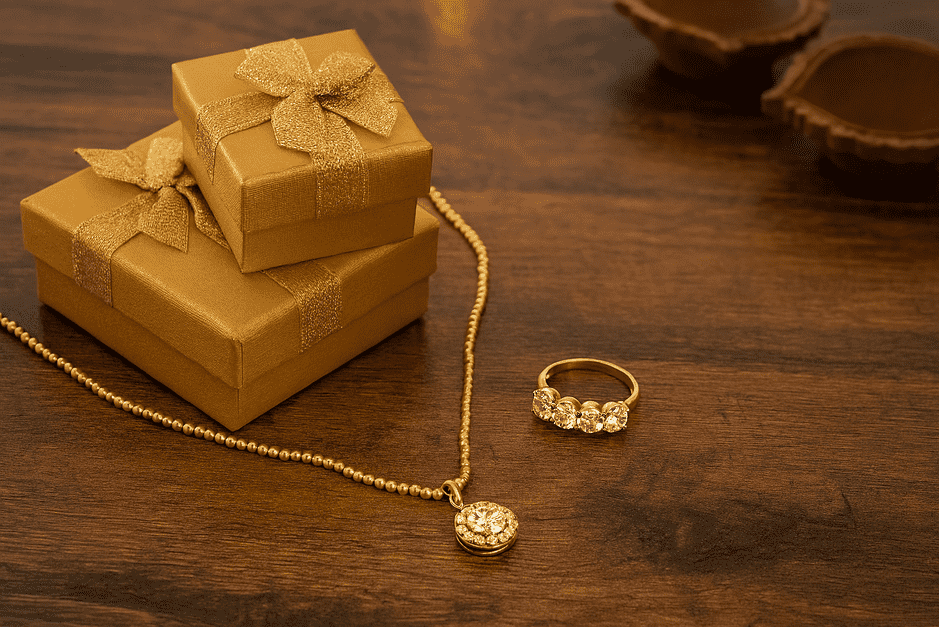
A few simple checks help buyers verify what they are buying. Hallmarks offer the first clue. Genuine gold jewellery carries purity marks such as 916 or 750. Stainless steel pieces, by contrast, may display markings like “316L” or “Stainless Steel.”
Weight also helps, and colour provides another signal. Because gold is much denser than stainless steel, authentic gold jewellery feels noticeably heavier for its size. Gold also has a naturally warm, rich yellow tone, whereas gold-plated stainless steel often looks slightly cooler. Therefore, for complete certainty, you should visit a reputable jeweller who can test the metal with professional equipment.
FAQ: Steel Jewellery Buying Guide
Is stainless steel jewellery waterproof?
Yes, high-quality stainless steel resists water and sweat effectively. However, if your piece has a PVD gold coating, you should avoid prolonged contact with chlorinated water to preserve the finish.
Does steel jewellery rust in the Indian climate?
Under normal conditions, quality stainless steel does not rust. The chromium oxide layer on the surface actively protects the metal from the high humidity found in India.
Is steel jewellery safe for sensitive ears?
Generally, yes. Grade 316L is specifically designed for medical use, meaning it is safe for most people with metal sensitivities.
Will the gold colour on steel fade?
While PVD coating is extremely durable, it may eventually thin out after years of constant friction. However, it lasts much longer than traditional gold plating.
Can I shower with my steel necklace?
You can shower with plain stainless steel. Nevertheless, soap scum can build up in the links, so we recommend rinsing it with fresh water and drying it occasionally.
Disclaimer
This article is intended for general educational purposes only. Product quality varies by manufacturer and coating method. Always verify the specifications and material details provided by the seller, particularly if you have known metal allergies. The author has no financial affiliation with any specific steel jewellery brands mentioned.