Introduction to Raw Diamond and Polki Jewelry in India
Raw diamonds are currently making a powerful comeback in India’s high-end jewelry market. While polished, brilliant-cut diamonds still dominate most commercial retail counters, many visionary designers are now choosing uncut stones that highlight natural beauty. As a result, raw diamond and Polki jewelry in India has grown into a distinctive category that blends ancient heritage with modern individuality.
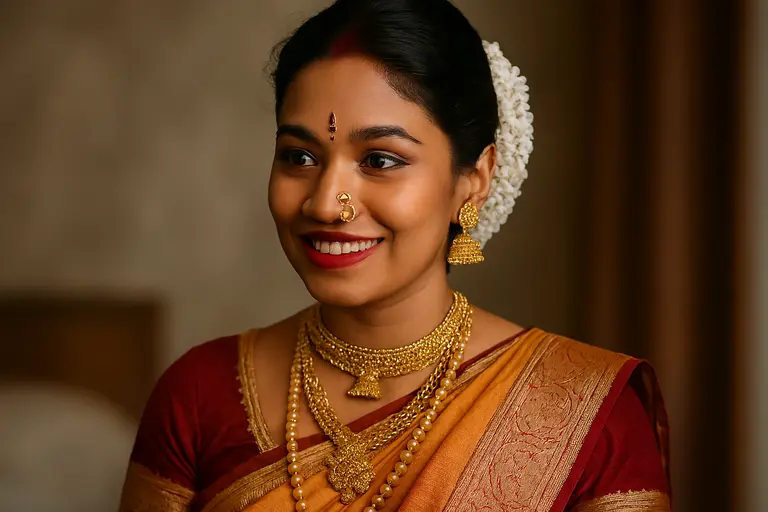
This is not entirely a new trend; in fact, India has utilized uncut diamonds in jewelry for hundreds of years. Traditional Polki jewelry features natural, unpolished diamonds and has served as a cornerstone of Indian royal culture for centuries. Today, however, contemporary designers are revisiting these traditions and presenting them in ways that speak to younger consumers. Consequently, they are transforming an ancestral craft into a modern fashion statement that appeals to buyers across various price points.
India’s Long History with Uncut Diamonds
India’s connection to uncut diamonds stretches back several hundred years to the era of the great Golconda mines. During the Mughal period, skilled artisans developed incredibly refined techniques for setting natural diamonds without cutting or facets. Consequently, Polki, Kundan, and Jadau jewelry became symbols of both immense wealth and deep cultural identity.
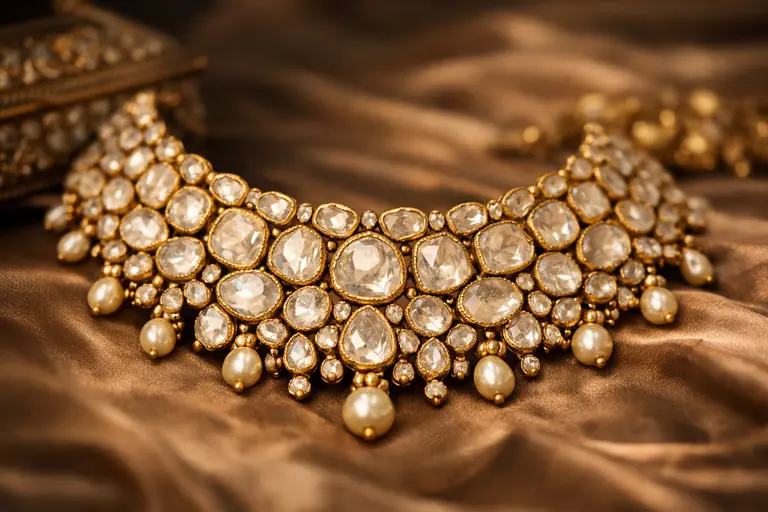
Unlike modern brilliant-cut diamonds, Polki diamonds retain most of their natural, organic form. Furthermore, traditional craftsmen set these stones using specialized techniques like “foil backing” to enhance their light reflection. Even today, many of these specialized skills survive in Rajasthan and other historic jewelry-making centers. As a result, contemporary designers continue to draw inspiration from this deep well of documented heritage. This preservation of craft is as vital as the trade skills that stay ahead of AI in India, where the human hand remains irreplaceable.
Designers Who Champion Raw Diamond and Polki Jewelry in India
Several prominent Indian jewelry designers and brands actively feature uncut diamonds in their latest collections. Tyaani by Karan Johar is perhaps the most widely recognized modern example. Specifically, the brand has successfully introduced Polki jewelry to a younger generation by simplifying the designs. Moreover, its collections demonstrate how heritage jewelry can fit comfortably into everyday wardrobes rather than being reserved solely for weddings.
Sunita Shekhawat, a Jaipur-based designer with an international following, is also well known for work that celebrates the organic beauty of uncut stones. Rather than emphasizing robotic uniformity, her designs highlight handcrafted detail and the natural character of every stone. In addition, her work has helped bring Rajasthani jewelry traditions to a global audience. Similarly, Anmol Jewellers has built a strong reputation around traditional Indian jewelry-making. Beyond that, the brand consistently demonstrates that heritage craftsmanship and contemporary presentation can work together effectively. These businesses often follow a specialized path, much like the Chow Tai Fook business model, by controlling their supply chain to maintain quality.
Why Designers Choose Uncut Stones Today
Designers prefer raw diamonds for several clear, strategic reasons. First, every rough diamond is entirely unique. Unlike calibrated polished stones that look identical, rough diamonds keep their original shapes and surface textures. Therefore, jewelers must design around each stone individually, which makes every finished piece one of a kind. This uniqueness is highly sought after in an era of mass production.
Second, raw diamonds offer a different visual experience. Polished diamonds are cut to maximize intense brilliance and “fire.” In contrast, uncut diamonds produce a softer, more romantic glow. As a result, many collectors find them elegant and understated—ideal for buyers who prefer “quiet luxury.” Third, raw diamonds actively preserve traditional craftsmanship. Because irregular stones are harder to set than standard cuts, artisans rely on techniques that masters have passed down through generations. This creates a more ethical and sustainable silver supply chain from mine to jewelry or gold equivalent, as it supports local livelihoods.
The Appeal of Imperfection in Modern Design
Luxury has traditionally meant clinical perfection. However, consumer preferences are clearly shifting across many luxury categories. Today, many buyers value uniqueness just as much as technical excellence. Consequently, jewelry with irregular shapes and natural textures often feels more personal than mass-produced alternatives.
This shift reflects broader trends in biohacking for healthy aging, where individuals seek natural, organic ways to improve their lives. Moreover, each rough diamond carries characteristics that no other stone can duplicate. Therefore, no two pieces ever look exactly alike. In an era when many luxury products appear standardized, this level of uniqueness carries genuine appeal. Additionally, buyers appreciate the visible connection between the finished jewel and the natural crystal. As a result, designers now celebrate imperfections, which they once treated as flaws, as marks of authenticity and character.
Regional Preferences: North vs. South India
Regional factors continue to shape how people consume raw diamond and Polki jewelry in India. In North India, consumers have long embraced Polki and Jadau jewelry because these traditions connect strongly to Rajput heritage. Elaborate Polki necklaces and bridal sets remain highly popular across Rajasthan, Delhi, and Punjab.
In South India, however, consumers have traditionally favored high-purity gold and certified polished diamonds. Nevertheless, these preferences are gradually changing. Younger consumers across Kerala and Tamil Nadu are increasingly exploring Polki jewelry for their wedding trousseaus. As a result, many brides now combine traditional temple gold pieces with selected Polki accents. Therefore, while regional differences remain important, they are becoming less pronounced as fashion becomes more globalized. To understand these geographic shifts better, visit the Gemological Institute of America (GIA).
The Future of Raw Diamond and Polki Jewelry in India
Raw diamond jewelry holds a distinctive and growing place in the Indian market. On one hand, it preserves centuries-old traditions that skilled artisans have refined. On the other hand, it aligns with a growing appetite for authenticity. Moreover, designers continue to experiment with lighter silhouettes and more versatile designs.
Consequently, raw diamonds are no longer limited to bridal contexts. As consumer tastes continue to evolve, the appeal of uncut diamonds is likely to grow across all age groups. Therefore, raw diamond and Polki jewelry in India is well-positioned to remain a vibrant part of the jewelry landscape for years to come. This enduring appeal proves that some are too strong to be replaced by modern technology.
FAQ About Raw Diamond and Polki Jewelry in India
Does Polki jewelry contain real diamonds?
Yes, Polki jewelry uses real, natural diamonds that remain uncut and unpolished. This is what distinguishes it from “Kundan,” which often uses glass stones, or “Vilandi,” which uses faceted diamonds.
Why does Polki jewelry look yellowish?
Traditionally, artisans set Polki diamonds in 22k or 24k gold and use a silver foil backing. Consequently, the gold and foil can give the piece an antique, warm yellowish glow.
Is raw diamond jewelry a good investment?
While Polki jewelry holds significant value, its resale value often depends on the craftsmanship and the weight of the gold. Polished, certified diamonds usually offer more transparency for pure investment purposes.
How should I clean my Polki jewelry?
You should never dip Polki jewelry in water because moisture can damage the foil backing. Instead, wipe it gently with a dry, soft cloth after every use.
Can I wear Polki jewelry with Western outfits?
Absolutely. Many modern designers are creating minimal Polki studs and thin bangles specifically to be paired with dresses and formal office wear.
Disclaimer
This article is for general informational purposes only. The author has no financial affiliation with the designers mentioned. Always consult a certified gemologist or a reputable jeweler before making significant jewelry purchases. Market values and trends are subject to change.