Introduction to Gold Demand Shifting from Jewelry to Investment
For generations, people around the world bought gold mainly as jewelry. In India, especially, gold ornaments carried deep meaning; they represented family wealth, cultural tradition, and financial security. However, that long-standing habit is now changing in a significant way. According to the Gold Focus 2026 report from Metals Focus, gold demand shifting from jewelry to investment is the defining trend of the modern market.
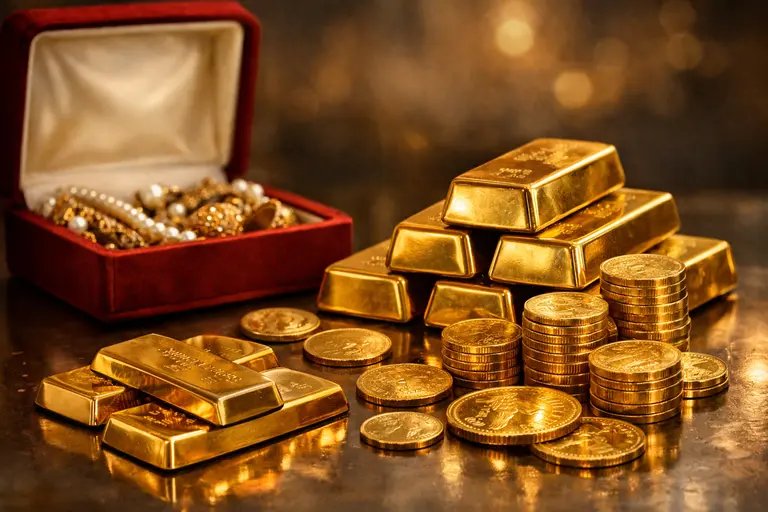
For the very first time on record, physical gold investment is on track to overtake jewelry as the largest source of global demand. As a result, bars and coins are becoming the preferred choice for a growing number of buyers worldwide. Moreover, this shift tells us something important: people are now treating gold more as a financial tool than as a decorative purchase. For everyday families, this change brings both new opportunities and real challenges worth understanding.
Why Global Gold Jewelry Demand is Decreasing
Gold prices have climbed to historic levels in recent years. Therefore, many ordinary consumers now find it harder to justify spending on traditional jewelry. When prices skyrocket, the “making charges” and taxes associated with jewelry become an even heavier burden for the average buyer.
According to Metals Focus, global jewelry fabrication dropped by 19% in 2025. Furthermore, analysts expect an additional 11% contraction throughout 2026. When gold becomes expensive, most families look for ways to spend less on it. As a result, many households now choose lighter jewelry designs or old-gold exchange programs instead of buying heavy new ornaments. To understand how other high-value industries manage their supply, you can read our guide on industry sheepdogs in tech and jewelry. Consequently, the jewelry sector must innovate quickly to remain relevant to price-sensitive consumers.
Rising Bullion and Gold Investment Growth
While jewelry demand faces pressure, investment demand is growing steadily stronger. Many buyers now prefer gold bars and coins because these products offer direct exposure to gold prices without added design premiums. Consequently, investors can hold and preserve their wealth more efficiently.
Moreover, gold has historically served as a safe-haven asset during periods of uncertainty. Therefore, whenever stock markets turn volatile or inflation worries increase, gold consistently attracts more buyers. According to research, physical gold investment surged 16% in 2025, reaching a 12-year high. This growth was driven by tariff uncertainty and rising government debt across the world. In 2026, gold demand shifting from jewelry to investment has reached a milestone that has never happened before. In addition, China and India are currently leading much of this growth. For reliable market data, readers can visit the World Gold Council website directly.
Gold Demand Shifting from Jewelry to Investment in India
India is showing clear signs of the same shift happening globally. Traditionally, jewelry dominated Indian gold consumption by a wide margin. However, recent data suggests that investment demand is now growing faster than jewelry demand across the country.
Digital Options for Gold Investment and ETFs
High prices have encouraged many Indian consumers to rethink how they own gold. Consequently, gold exchange-traded funds (ETFs) and digital gold products have gained significant popularity. Furthermore, younger investors increasingly view gold as a financial asset rather than primarily as an ornament. Therefore, they often prefer products that offer price transparency and easy liquidity. This digital transition is similar to the technological shifts discussed in our article on synthetic gems in fiber optics.
How Jewelry vs Investment Gold Habits are Changing
Meanwhile, traditional jewelry buyers continue to adapt as well. For instance, many families now choose lightweight designs or exchange old jewelry for new pieces instead of making large cash purchases. Although the way people own gold is changing, the desire to own it remains deeply rooted in Indian culture. Therefore, gold continues to play a central role in household savings.
Economic Impact of the Global Gold Demand Shift
The answer to whether this shift is “good” or “bad” depends entirely on your perspective. For individual households, rising gold prices often create wealth. After all, families that already own gold benefit directly when market values increase. In addition, gold helps protect purchasing power during periods of inflation.
On the other hand, the broader economic picture is more complex. India imports most of its gold; therefore, higher gold prices can increase the country’s import bill. Furthermore, weaker jewelry demand can hurt the livelihoods of artisans and small retailers. Nevertheless, the trend also reflects growing financial awareness. As a result, more buyers now actively distinguish between gold purchased for adornment and gold purchased for financial protection. In other words, the shift brings clear benefits for investors while creating challenges for the jewelry trade.
Balancing Gold Jewelry and Investment Portfolios
The most practical solution for modern buyers is balance. Consumers should recognize that jewelry and investment gold serve very different purposes. While jewelry provides personal enjoyment and cultural value, investment gold focuses on preserving wealth.
For this reason, buyers should avoid treating expensive jewelry as a pure investment vehicle. Making charges and resale deductions can significantly reduce overall returns. Instead, buyers can separate their goals clearly. For example, they can purchase jewelry for personal use while using bars or ETFs specifically for financial protection. At the policy level, India can continue encouraging financial alternatives to physical gold. In turn, investors can benefit from price movements without necessarily increasing physical imports.
FAQ About Gold Demand Shifting from Jewelry to Investment
Why is gold demand shifting from jewelry to investment right now?
The shift is happening because high prices make jewelry less affordable. Additionally, global economic uncertainty and inflation make bars, coins, and ETFs more attractive as financial safeguards.
Is jewelry still a good long-term investment?
Jewelry preserves value; however, the high making charges and taxes often mean you lose money if you sell it quickly. Pure gold bars and coins are much more efficient for wealth growth.
How can I invest in gold without buying physical jewelry?
You can choose gold ETFs, Sovereign Gold Bonds, or digital gold platforms. These options allow you to benefit from gold price increases without the storage risks of physical ornaments.
Will Indian jewelry demand ever recover?
Jewelry will always remain important for weddings and festivals in India. However, the proportion of gold bought for “pure investment” is likely to stay high as consumers become more financially savvy.
What is the benefit of buying gold bars over jewelry?
Gold bars typically have the lowest premiums over the market price. Consequently, you get more actual gold for your money compared to buying an intricate necklace or bangle.
Disclaimer
This article is intended for educational and informational purposes only. It does not constitute financial, investment, or legal advice. The author has no financial affiliation with the companies mentioned in this article. Gold prices can be volatile, and all investments carry risk. Readers should consult qualified financial professionals before making any investment decisions.