Introduction to the Ruby and Sapphire Supply Chain
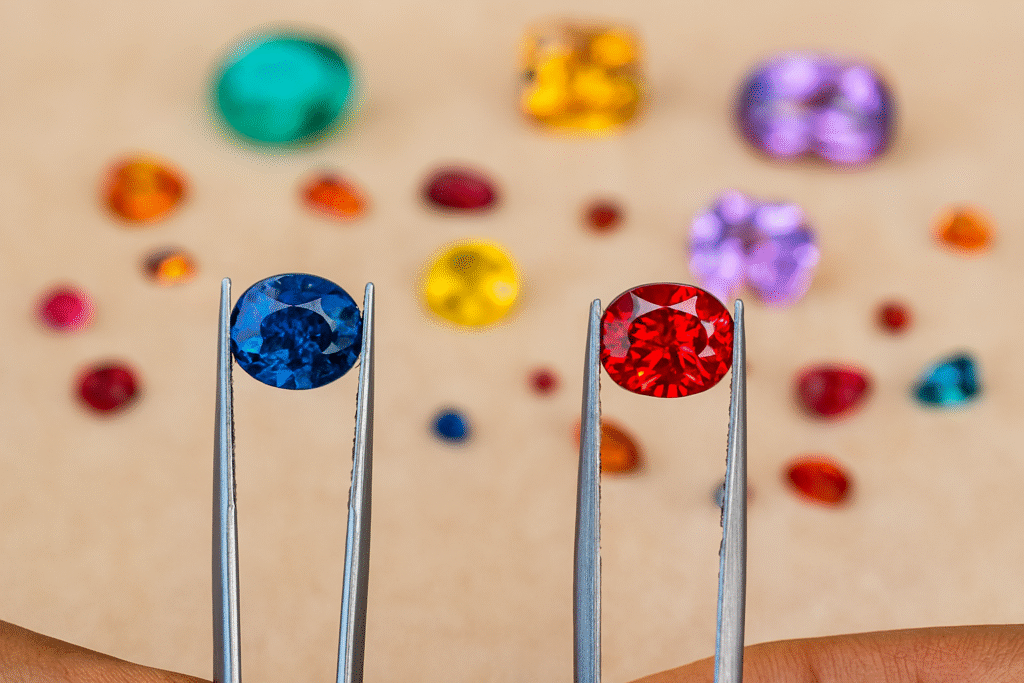
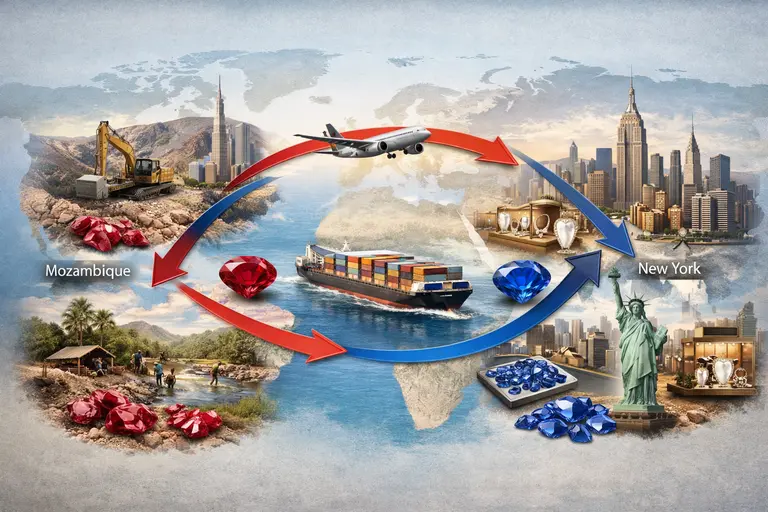
That sparkling ruby or sapphire sitting inside a jewelry showcase looks simple; however, the journey behind it is anything but straightforward. In most cases, a single gemstone takes one to three years to travel from a remote mine to a finished ring. Sometimes, that timeline stretches to five years because the stone passes through multiple countries and dozens of hands along the way. Unlike diamonds, the Ruby and Sapphire Supply Chain is highly fragmented. For example, a sapphire mined in Sri Lanka may travel to Thailand for heat treatment, move to Hong Kong for trading, and finally land in a store in London. Consequently, tracing the full journey is difficult even for experienced jewelers. You should also read our guide on gemstone buying mistakes to understand how transparency in the supply chain protects your investment.
Timeline of the Ruby and Sapphire Supply Chain
The gemstone pipeline moves slowly because colored stones rarely follow a linear path. First, miners pull rough rubies and sapphires from the ground. Next, dealers sort the stones by quality, color, and size. After that, traders buy parcels of stones and move them through regional hubs. In many cases, gemstones sit inside trading inventories for months while dealers wait for the right market conditions.
Furthermore, cutting decisions depend heavily on specific stone quality. A fine untreated sapphire, for instance, may wait months for a master cutter who can maximize its brilliance. Heat treatment also adds significant time. Thailand and Sri Lanka serve as the world’s major centers for these enhancements. Once treatment finishes, gemologists send the stones to certification laboratories. Only then do manufacturers set the stones into jewelry. Finally, retailers display the pieces for sale. By the time a gem reaches the showcase, it has likely crossed four international borders. For foundational education, the Gemological Institute of America (GIA) offers excellent resources on these grading standards.
Global Extraction in the Gemstone Supply Chain
The Ruby and Sapphire Supply Chain utilizes different extraction methods depending on the geography and local laws of the region.
Traditional Ruby and Sapphire Mining
Countries like Myanmar and Cambodia rely heavily on alluvial mining and cave excavation. Specifically, workers often use high-pressure water hoses to break apart riverbanks. While some industrial mines operate, many miners still work independently in small, informal operations. In contrast, Sri Lanka follows one of the oldest traditions in the world. Local miners dig narrow vertical “Illam” pits to reach gravels by hand. Authorities restrict heavy machinery here to protect groundwater and local ecosystems. Consequently, mining remains deeply connected to family-run village economies.
Mechanized Gemstone Sourcing in Africa and Australia
Today, Africa supplies a large share of the global market, particularly from Mozambique and Madagascar. Large corporate companies, such as Gemfields, operate responsibly sourced mines alongside artisanal miners. These companies often mine emeralds as well, reflecting how closely these supply networks overlap. Meanwhile, Australia relies on fully mechanized sapphire mining. Bulldozers and large wash plants process shallow deposits at a commercial scale. Strict environmental regulations require these companies to manage land rehabilitation and water systems throughout the process. To see how these metals are verified, check our article on Understanding BIS Hallmark.
Environmental Ethics in the Ruby and Sapphire Supply Chain
Australia and the United States currently rank among the strongest enforcers of environmental rehabilitation laws. Before mining begins, companies must typically post financial bonds to guarantee land restoration. Similarly, Sri Lanka follows an eco-conscious model that limits destructive machinery. However, countries like Madagascar and Myanmar still struggle with unmanaged mining. Driven by poverty and limited oversight, destructive practices continue in certain areas. Nevertheless, corporate leaders are raising the bar by publishing annual sustainability reports and funding community programs. You can explore more about gemstone geology at the Smithsonian National Museum of Natural History.
Traceability in the Ruby and Sapphire Supply Chain
In 2026, the shift toward ethical consumption has grown significantly. Millennial and Gen Z buyers now ask tough questions about worker safety and environmental impact before making a purchase. Many consumers specifically seek untreated sapphires from Montana or Sri Lanka because they associate those origins with stricter standards. At the same time, colored gemstones now compete directly with diamonds in the engagement market. Buyers want something unique and rare; yet they also want reassurance that their purchase does not support corruption. Therefore, origin transparency has become a primary selling point for modern jewelers.
Blockchain Tech for the Ruby and Sapphire Supply Chain
Full gemstone traceability still presents significant challenges; nevertheless, several companies are now utilizing blockchain to enhance transparency. The Gübelin Gem Lab developed “Provenance Proof,” one of the most recognized systems in the industry. The platform records gemstone transfers through a secure digital ledger, tracking each stone from the mine face to the retail counter. Because Gübelin operates a global network of laboratories, they maintain consistent scientific standards worldwide. Furthermore, leading miners such as Fura Gems and Gemfields actively utilize this blockchain to track rubies and emeralds. As demand for transparency grows, this technology will likely become a mandatory standard in the Ruby and Sapphire Supply Chain.
FAQ: Ruby and Sapphire Supply Chain
How long does it take for a ruby to reach a store?
Generally, the process takes one to three years. However, if the stone is held in inventory or requires specialized cutting, the timeline can stretch to five years.
Which countries have the strictest mining laws?
The United States (Montana) and Australia possess some of the most rigorous environmental and labor regulations in the gemstone industry.
Are all rubies and sapphires heat-treated?
Not all, but approximately 90% of the stones in the commercial market undergo heat treatment to improve color and clarity. Untreated stones command a significant price premium.
Does blockchain really prevent “blood gems”?
Blockchain creates a permanent record of ownership. While it significantly improves transparency, its success depends on the honesty of the data entered at the original mine site.
Can I track my specific sapphire’s journey?
Yes, if your gemstone comes with a digital “Provenance Proof” or similar blockchain certificate, you can often view its journey from the mine to the jeweler.
Disclaimer
This article provides general educational information about the Ruby and Sapphire Supply Chain. Mining regulations and tracking technologies change frequently. Always independently verify origin claims and certifications before making a high-value purchase. The author holds no financial affiliation with the mining companies or laboratories mentioned.