Introduction to Patagonia Brand Trust
Most clothing brands chase fleeting trends, flood customers with repetitive ads, and push heavy discounts to drive short-term sales. Patagonia, however, did the opposite and built one of the most respected businesses in the world. Instead of telling people to buy more, the company famously asked them to buy less. Rather than hiding its supply chain, it opened every step for public scrutiny. That unusual honesty is exactly why millions of consumers demonstrate deep Patagonia Brand Trust today.
Yvon Chouinard founded Patagonia in 1973 as a small climbing gear shop. Since then, it has evolved into a global lifestyle brand. Nevertheless, the company never chased fast growth or quick profits. Instead, it built its reputation through high-quality products and genuine environmental action. Consequently, Patagonia’s story offers something worth learning for every entrepreneur. You should also read our guide on gemstone buying mistakes to understand how similar standards of quality and transparency protect your high-value investments.
Historical Roots of Patagonia Brand Trust
Yvon Chouinard started his journey by manufacturing reusable climbing tools. He did this because traditional gear was damaging natural mountain rock faces. His early customers were serious climbers who prioritized both equipment performance and environmental safety. This specific combination—quality plus responsibility—became the unbreakable foundation of the company.
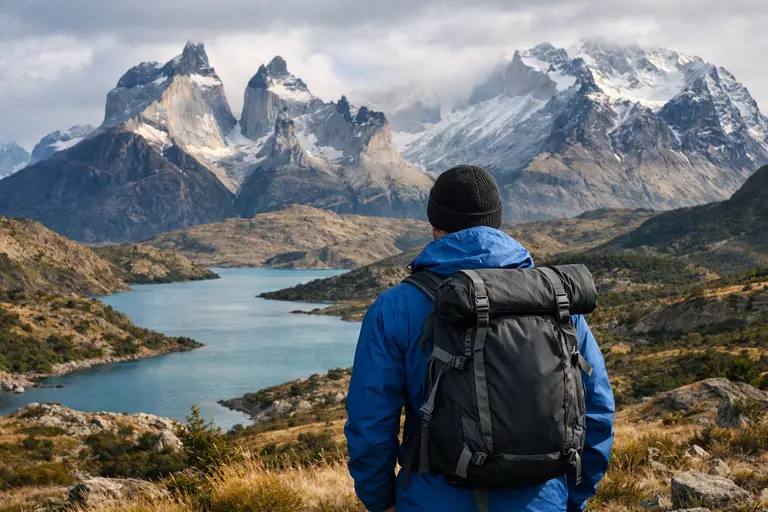
Eventually, the company moved into the outdoor clothing market. Even so, it kept the same focus on simplicity and durability. The name “Patagonia” comes from the wild region stretching across Argentina and Chile, which immediately signals a respect for nature. In other words, the brand’s identity was rooted in the environment from day one. Over several decades, the company expanded into fleeces, backpacks, and insulated clothing. Crucially, the company never abandoned its core environmental mission. This consistency separates Patagonia from competitors that treat sustainability as a passing trend. For more on their history, visit the official Patagonia website.
Customer Loyalty and Patagonia Brand Trust
First and foremost, Patagonia builds products that genuinely last for years. Customers quickly discovered that a jacket purchased five years ago still performs as well as a brand-new one. As a result, buyers stopped treating these products as seasonal fashion and started seeing them as long-term investments.
Furthermore, the brand became a pioneer in using recycled materials. In 1993, the company created the industry’s first fleece made entirely from recycled plastic bottles. Products like the Nano Puff jacket became popular because they combined comfort with a clean conscience. In addition, the company launched the “Worn Wear” program. This initiative repairs used clothing and resells older garments to extend their life cycle. Consequently, this approach reduced environmental waste and strengthened Patagonia Brand Trust. The company also backs every item with an “Ironclad Guarantee,” promising to repair or replace any failing product. Because of this policy, customers feel confident paying premium prices.
Marketing Strategies for Patagonia Brand Trust
Patagonia became globally famous partly because it rejected standard marketing tactics. While other brands filled billboards with aspirational luxury imagery, Patagonia ran a campaign with a blunt message: “Don’t Buy This Jacket.”
Initially, that campaign sounded counterproductive to many business analysts. However, it worked because customers recognized the message as genuine. Patagonia was not simply performing honesty; it was actively practicing it. As a result, public confidence in the brand grew significantly during a time when greenwashing was becoming common. Moreover, the company invests in activism by donating a portion of its profits to grassroots environmental organizations. Therefore, many customers feel a personal connection to the brand that goes well beyond a simple product purchase. This emotional bond is a key pillar of Patagonia Brand Trust in 2026. You may also read our article on Understanding BIS Hallmark to see how verified trust works in the jewelry industry.
Ownership Shifts and Patagonia Brand Trust
In late 2022, Yvon Chouinard surprised the entire business world by transferring full ownership of Patagonia to a special trust and nonprofit structure. He did not sell the company or take it public. Instead, he ensured that future profits would permanently support environmental protection.
Under this new structure, the “Patagonia Purpose Trust” holds all voting stock and protects the company’s values. Meanwhile, the “Holdfast Collective” owns the remaining 98% and directs all profits toward fighting climate change. Because Patagonia earns approximately $100 million in annual profit, that money now flows entirely toward biodiversity rather than private shareholders. Chouinard took this step to protect the company’s soul from future investors who might prioritize profit over purpose. As a result, consumer trust increased even further because people saw the decision as genuine leadership rather than a marketing stunt. To learn about global environmental standards, refer to 1% for the Planet.
Business Lessons on Patagonia Brand Trust
The success of this model proves that profit and responsibility can genuinely coexist in the modern economy. Therefore, here are four lessons from Patagonia Brand Trust that apply to any business:
- Authenticity Beats Advertising: Customers trust consistent actions far more than polished slogans. Consequently, brands that follow through on their promises build much deeper loyalty.
- Durability is a Marketing Tool: Products that last create a cycle of returning customers and strong word-of-mouth recommendations.
- Embed Values into Structure: Patagonia embedded its mission into its ownership model. Similarly, any business can protect its values through formal governance rather than just good intentions.
- Sustainability Attracts Talent: Today’s workers and buyers increasingly choose companies with ethical supply chains. As a result, investing in sustainable practices provides a major competitive edge.
FAQ: Patagonia Brand Trust Questions
Who is the founder of Patagonia?
Yvon Chouinard founded the company in 1973. He is a legendary rock climber, environmentalist, and philanthropist who redefined the outdoor clothing industry.
What is the “Don’t Buy This Jacket” campaign?
It was a famous advertisement that encouraged consumers to consider the environmental cost of consumerism. It urged people to only buy what they truly need.
How does Patagonia handle product repairs?
Through its Worn Wear program, the company provides repair services for its gear. Specifically, they have the largest garment repair facility in North America to help extend product life.
Where does Patagonia’s profit go now?
Since the 2022 ownership shift, all profits not reinvested in the business are directed to the Holdfast Collective to fight the environmental crisis.
Is Patagonia gear worth the high price?
Yes, most customers believe so. The durability, ethical manufacturing, and lifetime guarantee provide long-term value that cheaper alternatives cannot match.
Disclaimer
This article is written for educational and informational purposes only. Corporate structures and financial data reflect publicly available records as of May 2026. Always verify current policies through official brand sources before making purchase decisions. The author has no financial affiliation with Patagonia.