Introduction to Mexican Fire Opal
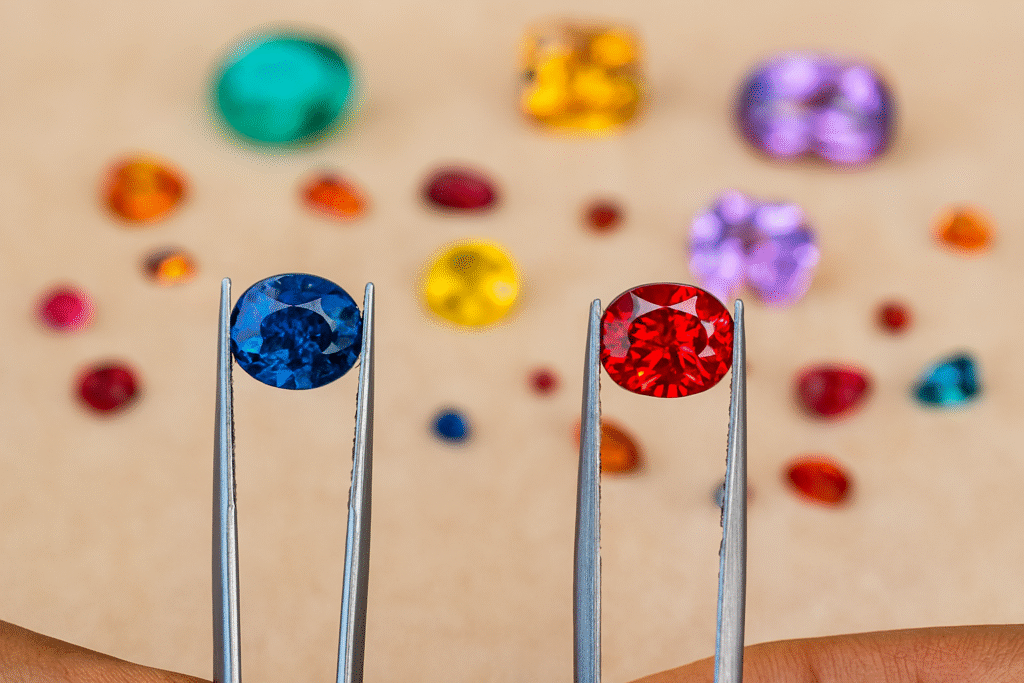
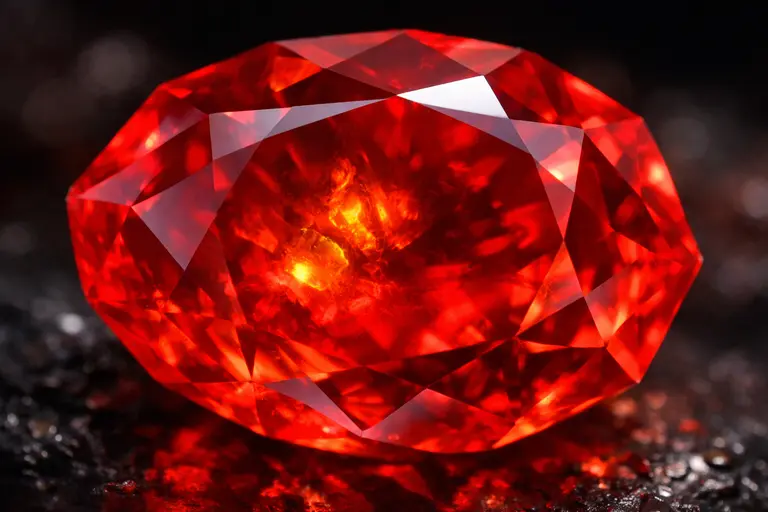
Mexican Fire Opal represents one of the most exciting and vibrant gemstones you can currently own. It glows with intense shades of yellow, orange, and “cherry” red, carrying centuries of rich cultural history within its volcanic structure. Whether you are shopping for a unique jewelry piece or simply feeling curious about geological rarities, this guide covers everything you need to know. Specifically, we will explore its origins, the methods miners use to extract it, and how you can identify genuine stones in a crowded market. You should also read our guide on gemstone buying mistakes to ensure you recognize quality standards before making a high-value purchase.
A Stone With Deep Cultural Roots
Long before European explorers arrived in the Americas, the Aztecs already treasured this unique opal. They utilized the stone in intricate mosaics, sacred ritual objects, and personal adornments. In fact, they called it quetzalitzlepyollitli, which translates to “stone of the bird of paradise.” They chose this name because the shifting colors reminded them of shimmering tropical feathers. Furthermore, they knew it as Huitzitziltecpatl, or the “stone like a bird of 1,000 colors.” When you hold a high-quality specimen up to the light today, that ancient name still feels perfectly accurate.
Later, Spanish conquistadors carried these vibrant gems back to Europe, where they sparked wide fascination among the nobility. However, knowledge of Mexico’s specific deposits faded from global awareness for several centuries. Commercial mining only restarted in earnest during the 1830s in central Mexico, particularly in the state of Querétaro. Shortly thereafter, miners discovered rich new deposits near Magdalena in Jalisco. Consequently, many experts now consider Mexican Fire Opal a national gemstone that ties together volcanic geology and deep cultural identity.
Mining Regions: Where Miners Dig Today
The most authentic Mexican Fire Opal comes from two primary regions that define the industry. First, the state of Querétaro—especially the area near Tequisquiapan—built the earliest modern reputation for these gems. Second, the state of Jalisco, centered around the town of Magdalena, currently hosts dozens of small mines and family-run operations.
Miners typically find these opals embedded within volcanic “rhyolite” rock. Furthermore, local families own many of these claims and work them with basic hand tools to preserve the delicate crystals. While some larger companies coordinate the export for international markets, the heart of the industry remains artisanal. Because claim boundaries change frequently, it is advisable to work with established galleries that explain their sourcing clearly. For more information on international sourcing standards, visit the Responsible Jewellery Council.
Classification: Two Types You Will Encounter
When you shop for this gemstone, you will mainly encounter two distinct varieties. Understanding the difference between them will help you choose the right style for your collection.
Defining Fire Opal
The term “fire opal” specifically refers to the transparent to translucent variety with a bright yellow, orange, or red body color. This color results from trace amounts of iron oxide within the silica structure. Unlike most other opal varieties, cutters often facet Mexican Fire Opal like a sapphire or ruby to maximize its internal sparkle and brilliance.
Understanding Cantera Opal
In contrast, “cantera opal” stays partially embedded within its pinkish or brown volcanic host rock. This provides the gem with a rugged, natural, and earthy appearance. Jewelers typically set these specimens in silver or gold bezel settings to protect the matrix. Both types offer immense beauty; ultimately, your choice depends on whether you prefer a traditional faceted jewel or a natural geological specimen. To learn more about mineral classifications, refer to the Gemological Institute of America.
How to Identify Fakes and Treated Stones
The global market for Mexican Fire Opal includes synthetics, composites, and treated stones. Therefore, knowing what to look for protects your investment. First, you should examine the color pattern under magnification. Natural opal displays random, irregular patches of color. Synthetic versions, conversely, often show a uniform “snakeskin” or geometric grid pattern caused by an ordered laboratory structure.
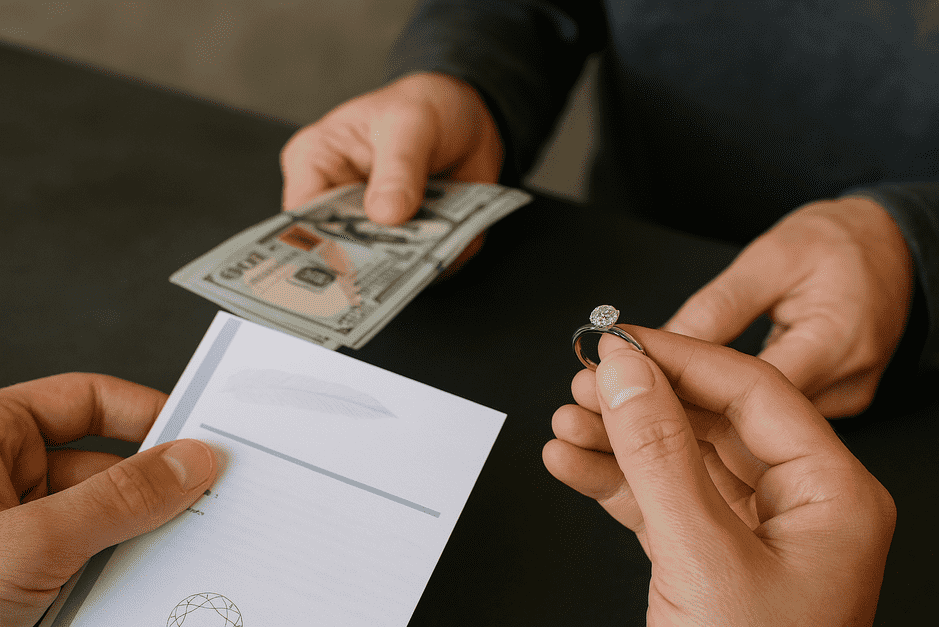
Second, you must look at the stone from the side. If you see flat, straight layers, you are likely looking at a doublet or triplet—a thin slice of opal glued to a backing. While these are not fraudulent if disclosed, they should cost significantly less than a solid stone. Finally, watch for unusually dark stones at suspiciously low prices. Some sellers “smoke” or dye pale stones to intensify their color unnaturally. Consequently, always request a written invoice that confirms the stone’s natural status.
Caring for Your Mexican Fire Opal
This gemstone ranks between 5.5 and 6.5 on the Mohs hardness scale. This makes it softer than quartz or sapphire. Moreover, it contains a significant percentage of water. Therefore, intense heat or rapid drying can cause “crazing,” which creates tiny fracture lines on the surface.
To keep your gem looking its best, follow these simple steps. To begin with, remove your jewelry before performing any heavy manual tasks. Additionally, store your pieces in a padded box away from direct heat sources or air conditioning vents. You should also avoid harsh chemicals and ultrasonic cleaners entirely. Finally, occasionally wipe the stone with a soft, damp cloth to maintain its hydration and luster. This ensures your Mexican Fire Opal retains its life and “fire” for generations.
FAQ: Mexican Fire Opal
Can I wear Mexican Fire Opal in an engagement ring?
Yes, but you should choose a protective setting like a bezel. Because it is softer than a diamond, you must handle it with extra care during daily wear.
How do I quickly identify a synthetic opal?
Look for a repetitive, grid-like pattern of color. Natural stones always show an organic, irregular distribution of hues that a lab cannot perfectly replicate.
What is the most valuable color?
The intense, transparent “cherry” red is generally the most valuable and sought-after color in the market today.
Is it safe to visit the mines in Magdalena?
Yes, many operators offer guided tours. These tours provide a safe way to experience the mining process and even hunt for your own stones in the tailings.
Do these opals show a play-of-color?
Some do, but many Mexican Fire Opal specimens are prized primarily for their vivid, glowing body color rather than the rainbow flashes seen in Australian opals.
Disclaimer
This article provides general educational information about Mexican fire opal only. It does not replace advice from a qualified gemologist, jeweler, legal adviser, or environmental specialist. Mining practices, tour offerings, regulations, and market prices change over time, so always verify current details with local experts, official bodies, and trusted sellers before traveling or making significant purchases.