
Introduction to Traceable Living in India
Do you ever wonder exactly where your gold ring originated? Or perhaps you question who grew the tea leaves sitting in your morning cup? Today, more and more families are asking these critical questions, and they deserve honest, transparent answers. Traceable Living in India means you can follow a product’s entire journey—from its raw source all the way to your hands. This powerful idea is currently reshaping how people purchase jewelry, food, and luxury watches across the country.
India currently ranks as the world’s second-largest gold consumer, according to the World Gold Council. Because of this massive demand, brands must meet rising expectations regarding safety, fairness, and craftsmanship. Furthermore, government regulations and global ethics standards now push companies to prove their claims with verified evidence. As a result, Traceable Living in India is no longer a luxury trend; it is rapidly becoming a daily standard for everyday families. You should also read our guide on gemstone buying mistakes to understand how quality standards apply to all high-value acquisitions.
Jewelry Standards and Traceable Living in India
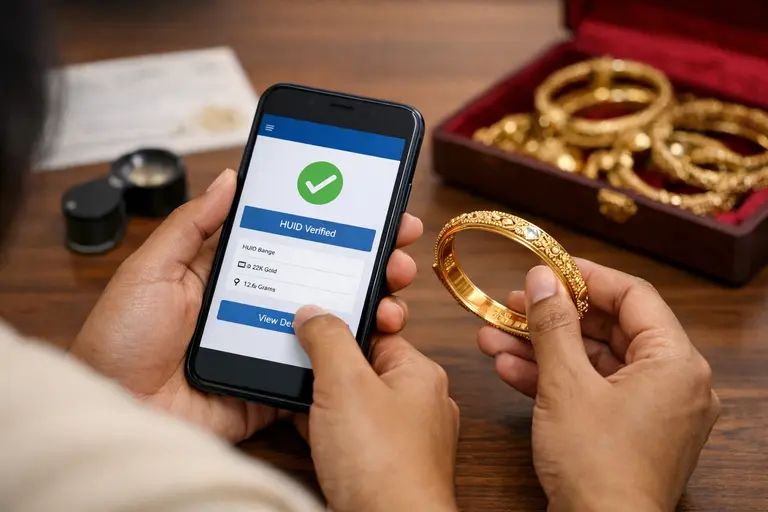
India’s jewelry market keeps growing at a steady pace, but buyers today want more than just a beautiful aesthetic. In particular, they demand verified proof of quality and geographic origin before they commit their savings. Fortunately, the government made the 6-digit Hallmark Unique Identification Number (HUID) mandatory on April 1, 2023, for all gold jewelry sold in India. This system allows you to confirm gold purity instantly through the BIS Care app. Therefore, you no longer need to rely only on a shopkeeper’s verbal promise.
In response to this demand, major brands are stepping up their transparency efforts. For instance, Tanishq leads the industry with ethical sourcing and certified gold across its entire range. Similarly, Zoya by Tata—the premium diamond boutique—builds on this foundation by providing exceptional craftsmanship alongside certified sourcing records. Meanwhile, newer direct-to-consumer (D2C) brands like GIVA focus on greener production methods for everyday wear. As a result, responsible jewelry is now accessible to a much wider audience across India. Additionally, many Indian jewelers now earn Responsible Jewellery Council (RJC) certification, which covers fair labor and eco-friendly practices. You may also read our article on Understanding BIS Hallmark to see how these legal protections keep you safe.
Watch Sourcing and Traceable Living in India
Like the jewelry sector, the watch industry is following a similar path toward total transparency. Consequently, high-end buyers increasingly seek timepieces with a clean backstory and sustainable materials. Titan’s Nebula collection, which is India’s first solid gold watch brand, uses 18K and 22K gold sourced directly from certified refineries. This gives buyers complete confidence in every piece, rather than just admiring its outward appearance.
Furthermore, the Jaipur Watch Company crafts bespoke gold watches that highlight traditional Indian craftsmanship using precious metals and heritage techniques. In addition, Argos Watches—a young Indian microbrand from Surat—sources most of its components domestically. They build mechanical timepieces designed for long-term use rather than fast fashion. European watchmakers also influence this shift, as many now integrate RJC-certified gold into their global production. Not only do you receive a durable product, but you also support companies that respect their workers and the environment. Over time, this kind of honest storytelling encourages more brands to clean up their supply chains.
Food Sourcing in Traceable Living in India
Transparency also drives the food and drinks industry forward in 2026. For example, blockchain technology now tracks certain premium food items from the farm directly to your dinner table. Research shows that this approach builds immense consumer trust and consistently boosts sales. As a result, more Indian brands now invest in visible sourcing systems that ordinary shoppers can actually use.
Brands Promoting Traceable Living in India
Several local companies are already leading the movement for Traceable Living in India:
- Pascati Artisanal Chocolates: This brand holds USDA Organic and Fairtrade certifications, buying cacao directly from farmer groups to ensure every bar carries a traceable story.
- Under The Mango Tree (UTMT): This social enterprise trains beekeepers for ethical honey production and directly supports rural livelihoods across the country.
- Organic India: They partner with thousands of certified organic farmers to produce traceable teas and herbal products for health-conscious families.
- Nestlé India: By following strict Responsible Sourcing Guidelines for coffee and cocoa, they ensure that millions of households benefit from cleaner ingredients daily.
For families, better food traceability removes doubt from the grocery shopping experience. Instead of wondering about the safety of your ingredients, you can now read labels, scan QR codes, and visit brand websites for full sourcing information. Moreover, when children see parents making these thoughtful choices, they grow up understanding exactly where their food comes from and why those origins matter for the planet.
The Future of Traceable Living in India
The movement for Traceable Living in India is expanding well beyond just jewelry and food. Other sectors are joining the effort as consumer demand for ethics rises. On the regulatory side, new SEBI rules now mandate Business Responsibility and Sustainability Reporting (BRSR) for listed companies. Furthermore, banks in 2026 frequently check ESG (Environmental, Social, and Governance) scores before approving large corporate loans.
Together, these measures reward companies that act responsibly and put real pressure on those that do not. Ultimately, India is positioning itself as a global leader in ethical exports rather than merely acting as a low-cost producer. For the everyday buyer, this shift means more control and significantly less guesswork in the marketplace.
FAQ: Understanding Traceable Living in India
What is the HUID in gold jewelry?
HUID stands for Hallmark Unique Identification Number. It is a 6-digit code that BIS stamps on gold jewelry so that you can verify its purity through the BIS Care app instantly.
Why does traceability matter for everyday buyers?
It builds real trust. When you know your purchase supports fair labor and better environmental practices, you feel more confident in every buying decision you make.
Is ethical jewelry more expensive?
Not always. While some designer pieces carry a premium, many mainstream brands now offer ethical options at accessible price points because consumer demand continues to grow.
How can I check if a food brand is genuinely ethical?
First, look for recognized certifications like USDA Organic or Fairtrade. Then, visit the brand’s website to read their specific sourcing policy and search for third-party audits.
Do Indian watch brands use certified gold?
Yes, brands like Titan Nebula use gold that is certified for purity and ethical origin, ensuring that your timepiece is a responsible investment.
Disclaimer
This article shares general trends based on publicly available information as of May 2026. Brand practices vary; therefore, always verify details through official certifications and brand websites before making high-value purchases. The author holds no financial affiliation with the brands mentioned.