Introduction
In the hierarchy of Swiss watchmaking, the Jaeger-LeCoultre Business Model stands out for prioritizing engineering over marketing. While brands like Rolex rely on fame, JLC relies on technical mastery. Thriving as a high-end watchmaker under the Richemont Group (alongside Van Cleef & Arpels Business Model partner Cartier), JLC is a pinnacle of technical horology.
Nestled in the serene Vallée de Joux, this vertically integrated manufacture crafts nearly every component—from intricate movements to polished cases—right under one roof. Founded in 1833, JLC has pioneered over 1,300 calibres and holds 430 patents. Historically, it earned the nickname “The Watchmaker’s Watchmaker” because it supplied movements to the holy trinity: Patek Philippe, Audemars Piguet, and Vacheron Constantin. In this article, I will explore the Jaeger-LeCoultre Business Model, from its rigorous quality controls to its digital innovations. By the end, you will understand why JLC commands such deep respect from collectors.
Vertical Integration: The Heart of the Jaeger-LeCoultre Business Model
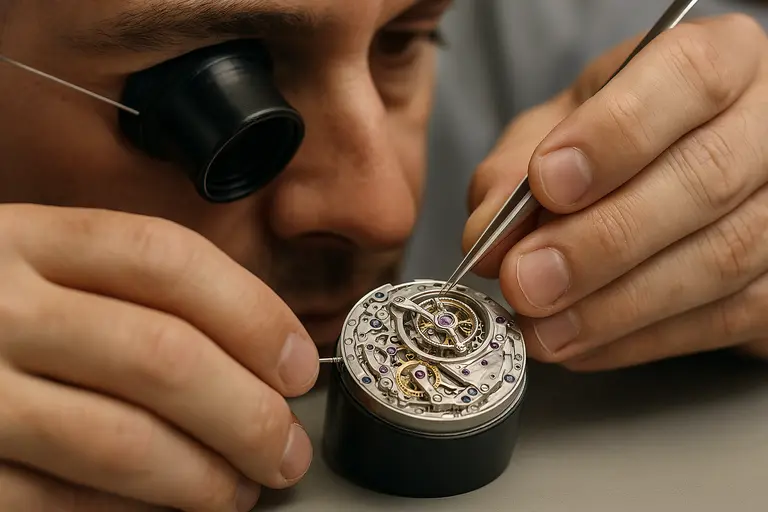
At the core of the Jaeger-LeCoultre Business Model lies unparalleled vertical integration. Unlike many brands that outsource parts to specialists, JLC designs, produces, and assembles almost everything in-house at its Le Sentier facility.
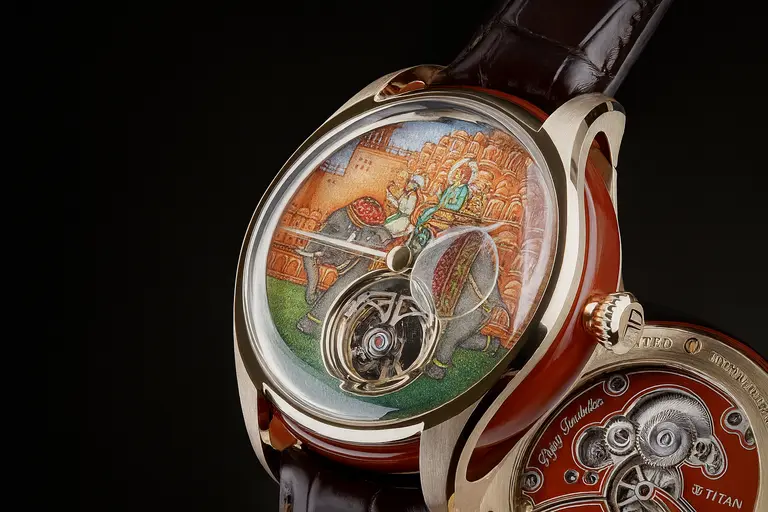
This approach, furthermore, grants exceptional control over quality and sparks continuous innovation. For instance, engineers there develop groundbreaking complications like the Gyrotourbillon, ensuring each timepiece reflects technical mastery. Consequently, this self-sufficiency reduces dependency on suppliers and accelerates R&D. As a result, JLC can introduce novel features, like the iconic Atmos Clock, which runs eternally on ambient air pressure changes. This model not only cuts costs long-term but also reinforces JLC’s reputation for reliability. You can compare this to the strategy of the De Bethune Business Model, which also prioritizes in-house invention.
Heritage in the Jaeger-LeCoultre Business Model
JLC’s rich heritage forms another pillar of its success. Since merging with the LeCoultre family in 1903, the brand has invented hundreds of movements. Additionally, iconic collections anchor its lineup.
The Reverso: Art Deco Genius
The Reverso, born from 1930s polo fields in India, boasts a reversible case. Originally, it was designed to protect the glass from polo mallets. Today, it is an icon of Art Deco design. The “Click and Flip” mechanism is a feat of engineering, similar to the precision required in Synthetic Rubies in Watches for bearings. Perfect for collectors, the blank back offers a canvas for engraving or enameling.
The Master Control
Meanwhile, the Master Control series shines with technical dress watches. It blends precision with refined aesthetics. Therefore, these pillars ensure instant brand recognition. By focusing on timeless designs rather than fleeting trends, JLC fosters enduring customer loyalty.
Quality Control in the Jaeger-LeCoultre Business Model
Quality defines Jaeger-LeCoultre. Uniquely, they implemented the “1,000-Hour Control” testing regime in 1992. This in-house test surpasses the standard COSC (Contrôle Officiel Suisse des Chronomètres) certification.
What happens? Every watch is subjected to 1,000 hours (nearly 6 weeks) of rigorous trials—including shock resistance, power reserve, temperature changes, and waterproofing. Consequently, every piece achieves superior precision and durability before it leaves the factory. Furthermore, this process builds trust among enthusiasts. As a result, owners enjoy peace of mind, knowing their investment withstands time. This quality edge directly supports JLC’s high price points, typically ranging from $10,000 to over $100,000.
Marketing Strategy of the Jaeger-LeCoultre Business Model
Traditionally reliant on luxury boutiques, JLC is evolving its distribution strategy toward Direct-to-Consumer (DTC) channels. For example, extended warranties (up to 8 years) now capture valuable customer data, enhancing personalized service. Additionally, digital initiatives—like virtual tours of the Manufacture—bring the brand closer to global audiences.
Experiential marketing takes this further. JLC hosts immersive workshops (“The Sound Maker”) and storytelling events. High-profile sponsorships, such as the Venice Film Festival, amplify prestige. Meanwhile, these efforts boost online engagement. Thus, the Jaeger-LeCoultre Business Model blends the physical touch of a boutique with the reach of the internet.
The “Collectibles” Program: Owning the Secondary Market
Recently, JLC excelled at nurturing long-term value through its secondary-market focus. The “Collectibles” program restores vintage pieces via a dedicated workshop in Le Sentier. This initiative, therefore, maintains desirability on platforms like Chrono24.
By supporting resale and certification, JLC safeguards brand equity. Collectors benefit from reliable servicing, ensuring heirloom potential. Ultimately, this strategy differentiates JLC from flashier competitors. It appeals to the savvy investor who knows that a serviced vintage JLC is a liquid asset. If you are interested in investment value, read my guide on Luxury Watch Collectors India.
Conclusion on the Jaeger-LeCoultre Business Model
In summary, the Jaeger-LeCoultre Business Model masterfully blends heritage, innovation, and customer-centric tactics. Its vertical integration and quality obsession position it as a Richemont crown jewel. Ultimately, JLC proves that you don’t need to shout to be heard. You just need to be better than everyone else.
FAQ: Jaeger-LeCoultre Business Model
What makes the Jaeger-LeCoultre Business Model vertically integrated?
JLC produces movements, cases, dials, and assemblies entirely in-house at their Le Sentier manufacture. This allows for tight quality control and rapid prototyping of new inventions.
Why is the Reverso collection iconic?
Inspired by British officers playing polo in India in 1931, its reversible case protected the glass. Today, it is a hallmark of Art Deco design and mechanical ingenuity.
What is the 1,000 Hour Control?
It is JLC’s proprietary testing standard. Unlike COSC, which tests only the movement, the 1,000-Hour Control tests the cased-up watch for 6 weeks to ensure real-world reliability.
How does the Jaeger-LeCoultre Business Model handle vintage watches?
Through the “The Collectibles” program. JLC buys back, restores, and re-sells vintage icons with a new warranty, controlling the quality of the secondary market.
Who owns Jaeger-LeCoultre?
It is a key part of the Richemont Group, a Swiss luxury conglomerate that also owns Cartier, Vacheron Constantin, and Panerai.
Author Bio
P.J. Joseph, also known as Saju Elizamma, Gemstone & Gold Consultant serving Kerala, Tamil Nadu, and Karnataka.