Summary
Ask “How will this diamond make you feel in 10 years?” to ensure long-term satisfaction. Learn practical tips, emotional insights, and expert guidance from 40 years in the jewelry industry.
Table of Contents
- Why Ask About Diamond Feelings in 10 Years
- Focus on Emotional Value
- Practical Steps to Evaluate Your Diamond
- Case Studies from 40 Years of Experience
- FAQs
Why Ask About Diamond Feelings in 10 Years
When buying a diamond, ask yourself:
“How will this diamond make me feel in 10 years?”
Asking this question helps you:
- Focus on long-term satisfaction rather than trends.
- Visualize how the diamond fits your personal story.
- Make a purchase that holds emotional value over time.
For example, 68% of buyers regret impulse jewelry purchases within five years. Therefore, considering diamond feelings in 10 years can prevent dissatisfaction.
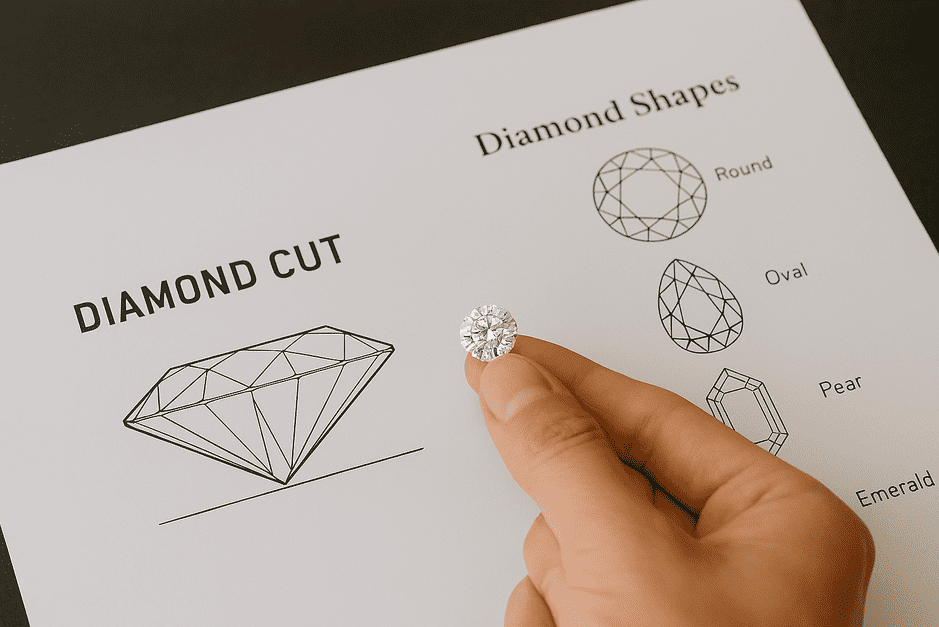
Learn more about choosing the right diamond cut.
For quality standards, see GIA’s diamond grading guide.
Focus on Emotional Value
Your diamond should reflect your life, not just size or color.
- Visualize anniversaries, family events, and milestones with this diamond.
- Consider lifestyle compatibility and personal taste.
- Limit options to 2–3 stones to clarify emotional choice.
Check our BIS Hallmark guide for certified quality.
Quotable insight: “The key is emotional alignment, not size.”
Practical Steps to Evaluate Your Diamond
Follow these steps to ensure your diamond continues to bring satisfaction:
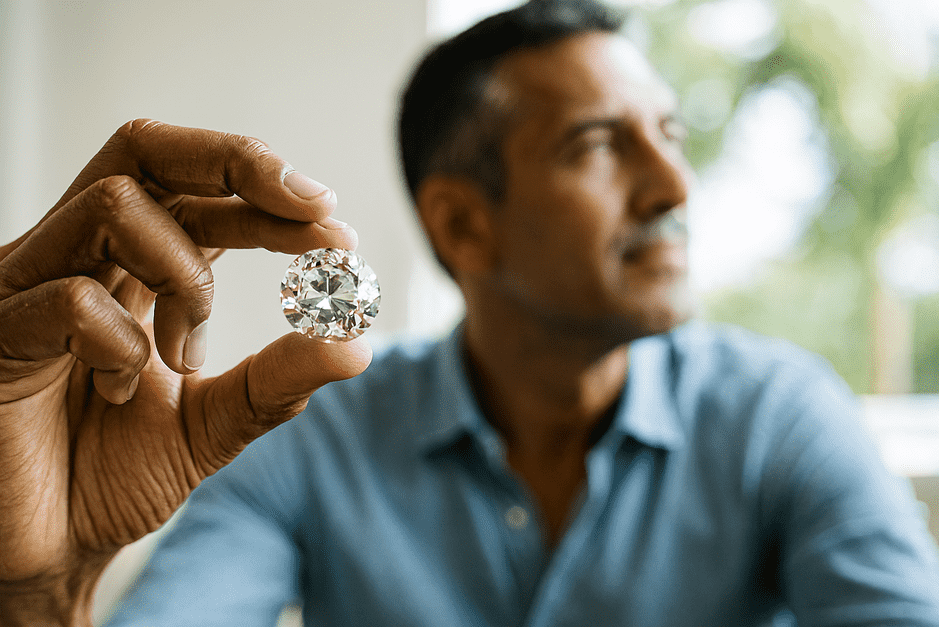
- Hold the diamond in natural light and notice how it feels.
- Imagine it in daily life and at special events.
- Compare 2–3 top choices to focus on emotional connection.
Learn jewelry care tips to preserve your diamonds.
Case Studies from 40 Years of Experience
- A client chose a smaller diamond with better clarity. Ten years later, they still cherish it daily.
- Buyers often focus on size, but emotional connection ensures long-term satisfaction.
Explore our gold buying checklist for Malayalis.
FAQs
Q1: How can I ensure my diamond remains meaningful?
A1: Focus on emotional connection and personal milestones.
Q2: Does a bigger diamond guarantee happiness?
A2: No. Quality and diamond feelings in 10 years matter more than size.
Q3: Should resale value influence my choice?
A3: Only after considering personal satisfaction.
Q4: How do I test emotional attachment?
A4: Visualize the diamond in your life and compare limited options.
Q5: Can family opinions affect my choice?
A5: Opinions matter less than your long-term happiness. Ask yourself if it reflects your values.
Introduction
This comprehensive Watch Buying Guide answers the most common questions about timepieces.
Whether you’re purchasing your first watch or adding to your collection, these expert insights help you make informed decisions.
From understanding movement types to choosing the right size for your wrist, you’ll find everything needed before making a purchase.
What Types of Watches Should You Consider? – Watch Buying Guide Insights
Understanding the five main categories helps narrow your options:
- Mechanical watches – Use springs and gears. No battery needed.
- Quartz watches – Battery-powered; most accurate.
- Automatic watches – Wind themselves from wrist movement.
- Digital watches – Display time numerically on a screen.
- Smartwatches – Connect to your phone and track fitness data.
Accuracy Expectations – Watch Buying Guide Tips
- Quartz watches – Lose about 15 seconds per month.
- Mechanical watches – Lose 20–40 seconds per day.
- Atomic watches – Lose 1 second every 100 million years.
- Your phone’s clock stays perfectly accurate.
Water Resistance Considerations
Water resistance ratings affect usage scenarios:
- 30m – Handles rain and handwashing
- 50m – Safe for swimming
- 100m – Suitable for snorkeling
- 200m+ – Scuba diving
Replace gaskets every 2–3 years to maintain resistance.
Maintenance Schedule – Watch Buying Guide Advice
- Quartz watches – Battery replacement every 1–3 years.
- Mechanical watches – Full service every 3–5 years.
- Service costs: $200–800 depending on the brand.
Watch for stopping, running fast/slow, or condensation under the crystal.
Pricing Strategy
- Budget watches – Plastic cases, basic movements
- Mid-range watches – Steel cases, reliable mechanisms
- Luxury watches – Precious metals, hand-finished details
Remember: craftsmanship, materials, and brand prestige drive prices.
Sizing Advice
- 6–7 inch wrists – 38–42mm
- 7–8 inch wrists – 40–44mm
- 8+ inch wrists – 42–46mm
Ensure lugs don’t overhang wrist edges.
Complications to Prioritize
- Date display – Useful daily
- GMT hand – Second time zone
- Chronograph – Stopwatch
- Moon phase – Decorative
- Annual calendar – Adjusts month lengths
More complications = more things that can break.
Maintenance Tips
- Clean with a soft cloth
- Avoid extreme temperatures & magnets
- Wind manual watches daily
- Use watch winders for automatics
- Don’t adjust date between 9 PM–3 AM
Investment Potential
- Most watches lose value after purchase
- Only select Rolex, Patek Philippe, Audemars Piguet models appreciate
- Vintage watches from 1960s–70s show strong growth
- Buy watches you enjoy wearing, not solely for investment
Essential Tools
- Spring bar tool
- Case back opener
- Soft polishing cloth
- Watch cushion
- Demagnetizer
Where to Purchase
- Online – Better selection, often cheaper
- Physical stores – Try before buying
- Authorized dealers – Full warranties
- Grey market – Discounts, limited warranty
- Forums/eBay – Vintage pieces, verify authenticity
Learn More: