Summary
Ask “How will this diamond make you feel in 10 years?” to ensure long-term satisfaction. Learn practical tips, emotional insights, and expert guidance from 40 years in the jewelry industry.
Table of Contents
- Why Ask About Diamond Feelings in 10 Years
- Focus on Emotional Value
- Practical Steps to Evaluate Your Diamond
- Case Studies from 40 Years of Experience
- FAQs
Why Ask About Diamond Feelings in 10 Years
When buying a diamond, ask yourself:
“How will this diamond make me feel in 10 years?”
Asking this question helps you:
- Focus on long-term satisfaction rather than trends.
- Visualize how the diamond fits your personal story.
- Make a purchase that holds emotional value over time.
For example, 68% of buyers regret impulse jewelry purchases within five years. Therefore, considering diamond feelings in 10 years can prevent dissatisfaction.
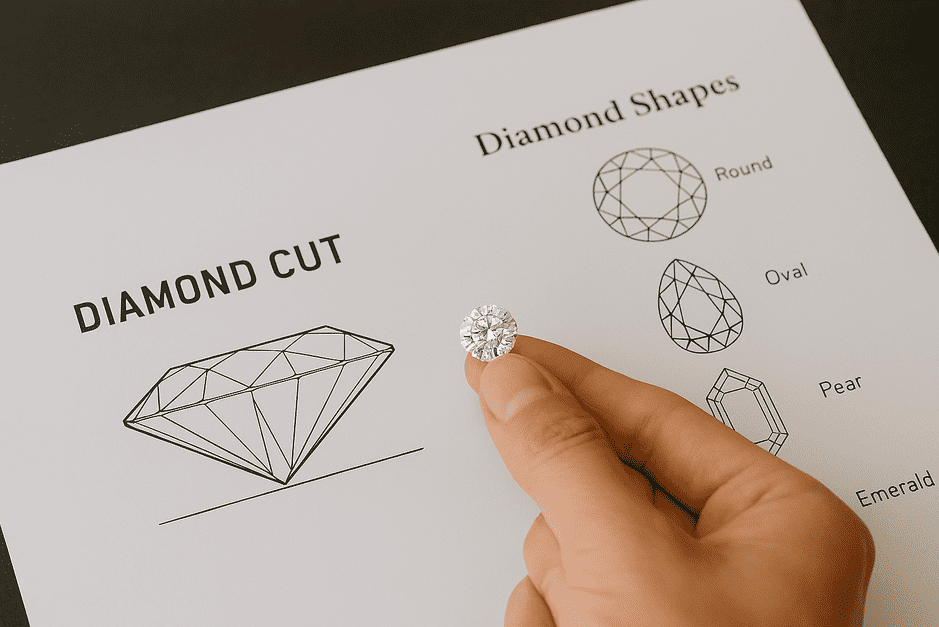
Learn more about choosing the right diamond cut.
For quality standards, see GIA’s diamond grading guide.
Focus on Emotional Value
Your diamond should reflect your life, not just size or color.
- Visualize anniversaries, family events, and milestones with this diamond.
- Consider lifestyle compatibility and personal taste.
- Limit options to 2–3 stones to clarify emotional choice.
Check our BIS Hallmark guide for certified quality.
Quotable insight: “The key is emotional alignment, not size.”
Practical Steps to Evaluate Your Diamond
Follow these steps to ensure your diamond continues to bring satisfaction:
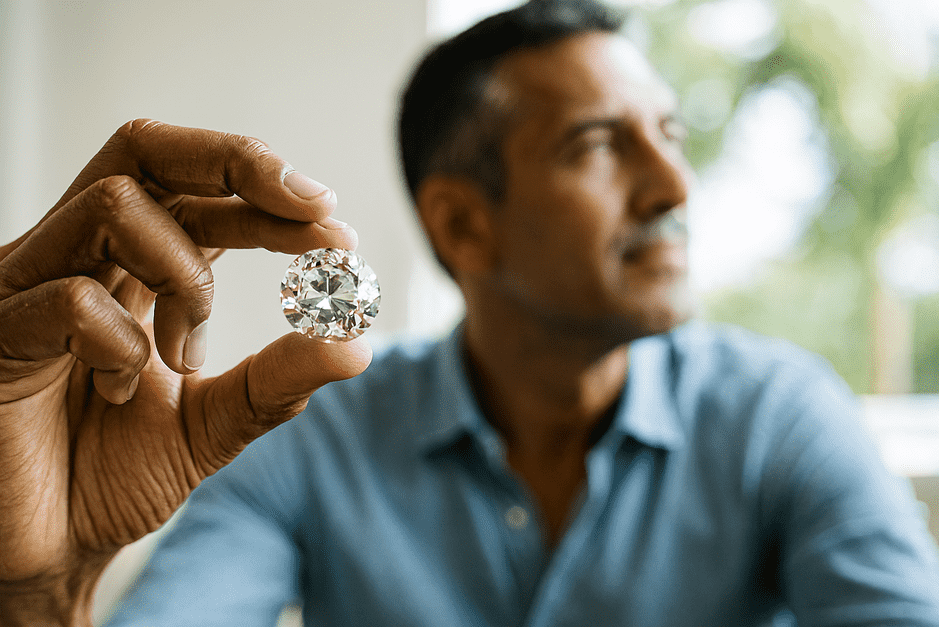
- Hold the diamond in natural light and notice how it feels.
- Imagine it in daily life and at special events.
- Compare 2–3 top choices to focus on emotional connection.
Learn jewelry care tips to preserve your diamonds.
Case Studies from 40 Years of Experience
- A client chose a smaller diamond with better clarity. Ten years later, they still cherish it daily.
- Buyers often focus on size, but emotional connection ensures long-term satisfaction.
Explore our gold buying checklist for Malayalis.
FAQs
Q1: How can I ensure my diamond remains meaningful?
A1: Focus on emotional connection and personal milestones.
Q2: Does a bigger diamond guarantee happiness?
A2: No. Quality and diamond feelings in 10 years matter more than size.
Q3: Should resale value influence my choice?
A3: Only after considering personal satisfaction.
Q4: How do I test emotional attachment?
A4: Visualize the diamond in your life and compare limited options.
Q5: Can family opinions affect my choice?
A5: Opinions matter less than your long-term happiness. Ask yourself if it reflects your values.
Small Luxury Hotels FAQ
Introduction
This small luxury hotels FAQ answers common questions about boutique stays. It explains definitions, differences with large chains, and which services to expect. In addition, it covers family options, sustainability, and tips on finding the right property.
What defines a small luxury hotel?
- Fewer than 100 rooms.
- Personalized attention and privacy.
- Strong links to local design.
- Locations in unique urban or rural areas.
As a result, travelers often choose them for a more intimate experience. Moreover, their distinctive style sets them apart from standardized hotels.
Why choose a small luxury hotel?
Personal service
Staff remember guest details, therefore creating a sense of familiarity.
Calm spaces
Unlike large hotels, these properties feel quieter, so you can relax more easily.
Local culture
For example, menus highlight regional produce, and interiors reflect local crafts.
In addition, many guests return because the experience feels authentic.
How do small luxury hotels differ from large chains?
Guest experience
Small hotels provide tailored attention, while chains rely on uniform systems.
Property identity
Each boutique hotel has its own theme. On the other hand, large chains repeat formats worldwide.
Dining approach
Menus change seasonally and locally. Therefore, guests enjoy fresh variety instead of standard global menus.
Are small luxury hotels only for leisure stays?
Business features
- Lounges double as meeting rooms.
- Private dining options support work dinners.
Digital needs
- Fast Wi-Fi supports remote work.
- Quiet spaces help concentration.
Because of these advantages, small luxury hotels appeal to both business and leisure travelers.
What services can you expect?
- Concierge services for tours and dining.
- Fine dining menus with seasonal ingredients.
- Spa and wellness treatments.
- Added extras like minibars and welcome gifts.
Moreover, services shift depending on location. For example, a city hotel might offer cultural tours, while a rural retreat offers farm experiences.
Are small luxury hotels family-friendly?
Options for families
- Connecting rooms for parents and children.
- Child-friendly amenities such as menus or games.
Adults-only stays
- Some properties focus on privacy.
- Guests find peaceful, child-free environments.
Therefore, always check booking policies, because each hotel sets its own approach.
Do these hotels support sustainability?
Sourcing and dining
Farm-to-table meals reduce transport impact. In addition, guests enjoy fresher produce.
Environmental focus
Plastic use is restricted, while refillable bottles are encouraged. Smart energy systems reduce wastage.
Local involvement
Hotels support the community by hiring regionally. As a result, growth extends beyond the property.
How do you find the right small luxury hotel?
Define needs
Decide if food, spa, culture, or privacy is your top priority.
Check guest feedback
For example, repeat reviews about service often signal consistency.
Compare value
Packages may include meals, transfers, or early check-in. Therefore, higher prices can still deliver stronger value.
Are small luxury hotels worth the price?
Value of service
Guests pay for attention, comfort, and privacy. Moreover, experiences feel tailored and unique.
Extras add value
Some hotels include exclusive experiences or benefits. Finally, weigh these extras against nightly rates.
As a result, many travelers feel these hotels justify their price when quality matters most.