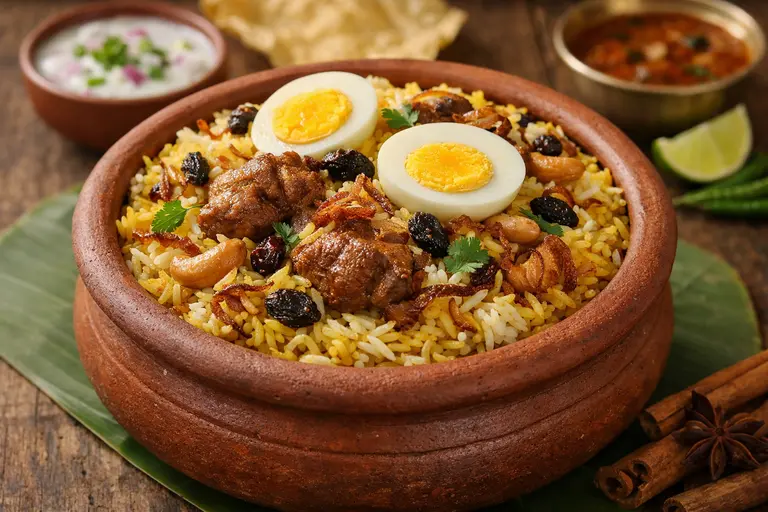
Introduction to Authentic Malabar Biriyani
A real Authentic Malabar Biriyani is never just rice and meat cooked together in a pot. Instead, it serves as a masterclass in patience, balance, and historical depth. When I first started learning how to prepare this dish, I quickly realised that every single detail mattered. Specifically, the type of rice mattered, the quality of the onions mattered, and even the density of the steam trapped inside the vessel mattered. Unlike modern shortcut recipes, this dish teaches a cook the value of discipline. Furthermore, it rewards that effort with layers of flavour that build slowly rather than aggressively. You should also read on Kerala Gold, Food, and Film: 2026 Guide to understand the global reputation of Kerala and what makes Kerala distinctive.
Selecting Rice for Authentic Malabar Biriyani
The most critical lesson I learned was that the choice of grain determines the final outcome. Specifically, Authentic Malabar Biriyani depends entirely on Kaima rice, which locals also call Jeerakasala rice. These grains are small, aromatic, and remarkably delicate. Unlike the long-grain Basmati rice used in North Indian variations, Kaima grains absorb the masala beautifully without ever becoming sticky or heavy.
At first, I underestimated the importance of this specific variety. However, I soon realized that Kaima rice creates the entire identity of the dish. In fact, many legendary Mappila cooks believe the rice quality matters even more than the meat itself. Traditionally, the cook lightly roasts the rice in pure ghee before boiling it. Consequently, the grains develop a rich, nutty aroma and remain separate during the final steaming. As a result, this one simple technique completely transforms the texture and fragrance of the meal. To explore more about the agricultural standards of these local grains, you can visit the KAU Agri-Infotech Portal.
Regional Styles of Authentic Malabar Biriyani
Another fascinating lesson I took away was that no single “standard” version of the dish exists. Instead, North Kerala offers several distinct regional interpretations. The two most famous styles come from the coastal cities of Thalassery and Kozhikode. Although both versions share common roots, each city expresses the dish through its own unique cooking personality.
The Thalassery Malabar Biriyani Style
In Thalassery, the cook prepares the meat masala and the rice completely separately. Afterwards, they layer them together and finish the dish using the traditional “dum” process. Notably, Thalassery recipes skip tomatoes and coriander powder entirely. Instead, they rely on green chillies and a massive amount of caramelised onions for their flavour. This produces a lighter, more aromatic result.
The Kozhikode Malabar Biriyani Style
The Kozhikode style, on the other hand, often utilises a one-pot approach for part of the process. Specifically, the cook adds half-cooked rice directly into the simmering meat gravy before sealing the vessel. In addition, Kozhikode recipes typically include tomatoes, which gives the final masala a richer and deeper profile. Neither version is superior; rather, both styles reflect the distinct food histories of their respective home regions.
Masala Secrets in Authentic Malabar Biriyani
Many people mistakenly assume that a biriyani must taste fiery to feel authentic. However, Authentic Malabar Biriyani follows a completely different philosophy. Rather than overwhelming your palate with chili heat, the dish builds flavor through slow cooking and careful layering of various whole spices. Consequently, the dining experience feels rich and sophisticated rather than physically aggressive.
The masala relies heavily on a combination of onions, ginger, garlic, and fennel seeds. Among all these ingredients, the onions play the most vital role. Specifically, the cook caramelizes them slowly until they turn a deep golden brown and develop a natural sweetness. As a result, the gravy develops its signature richness without depending on excessive chili powder. Additionally, the use of yogurt varies by region; Thalassery cooks often avoid it, while Kozhikode versions use it for added moisture. Therefore, you must learn to adjust your ingredients based on the specific regional style you wish to emulate.
Dum Cooking for Authentic Malabar Biriyani
The greatest lesson of all came from understanding the “dum” process. Before I began my journey, I thought “dum” simply meant reheating the pot. However, authentic dum cooking is a highly technical and disciplined act of engineering. In this method, the cook seals the vessel tightly using fresh dough around the edges. Consequently, the trapped steam circulates internally and forces the rice to absorb every molecule of aroma from the masala below.
Moreover, traditional kitchens place hot charcoal above the lid while maintaining a very gentle heat underneath. As a result, the biriyani cooks evenly from both directions simultaneously. Most importantly, this method teaches the cook restraint. If the heat rises too quickly, the rice will break or dry out. Conversely, if the seal leaks steam, the dish loses its depth entirely. Therefore, the process demands total patience and focus. To understand the legal purity of the metals used in the serving dishes for such feasts, check the Food Safety and Standards Authority of India.
Cultural History of Authentic Malabar Biriyani
One of the most profound lessons I learned was the historical depth behind the recipe. For several centuries, the Malabar Coast welcomed traders from the Arab world and Persia. Over time, these foreign influences blended naturally with local Kerala ingredients and spices. As a result, Authentic Malabar Biriyani developed a distinct identity that stands apart from the Mughlai traditions of the North.
The dish reflects the unique heritage of the Mappila Muslim community. Specifically, the use of short-grain rice and mild spices points toward a blend of Middle Eastern preferences and Kerala’s bountiful agriculture. Therefore, this dish is far more than just sustenance. Above all, it represents a cultural memory of global trade and regional hospitality. You can read more about these cultural connections on the official Kerala Tourism website.
FAQ: Authentic Malabar Biriyani Questions
Why is Kaima rice used instead of Basmati?
Kaima rice (Jeerakasala) is used because its small grains have a unique aroma and a better ability to absorb local masalas without becoming mushy.
Is Authentic Malabar Biriyani spicy?
No, it focuses on aroma. While it contains green chilies, it avoids the heavy use of red chili powder found in other Indian biriyanis.
What is the purpose of the “dum” seal?
The seal prevents steam from escaping. This ensures that the rice cooks in the meat’s own juices and absorbs all the spice oils.
Can I use frozen meat for this dish?
While possible, traditional recipes strongly recommend fresh meat to ensure the juices contribute to the flavor of the rice during the dum process.
What side dishes should I serve with it?
You should always serve it with coconut-mint chammanthi, a date or lemon pickle, and crisp pappadams to balance the flavors.
Disclaimer
This article discusses traditional culinary practices in North Kerala. Recipes and techniques vary significantly between families and regions. Therefore, no single method represents every authentic version. Readers should treat this article as a cultural guide rather than a prescriptive medical or nutritional authority. The author holds no financial affiliation with the institutions mentioned.