
Summary
A Kerala gemstone expert connects the fiery red of Burmese ruby with the deep red of Kerala’s meen mulakittathu. The story blends gemology, food culture, colour memory, and South Asian craftsmanship while explaining Mogok ruby traits, Kerala colour traditions, and why red continues to shape identity across jewellery and cuisine.
Introduction
As a Kerala Gem Expert who has studied rubies for decades, I want you to see how one ruby links to a simple Meen Mulakittathu story. Kerala Gem Expert Rubies often connect with culture, food memories, and colour stories in Kerala. This article explores how Kerala Gem Expert Rubies reflect colour, origin, and authenticity through my work as a Kerala gem expert. A Burmese ruby glows with ancient fire, while the fish curry simmers in clay pots along Kerala’s coast. When these two reds meet, their intensity feels natural. As a Kerala Gem Expert, I have spent decades observing how colour, origin, and authenticity guide both gemstone valuation and traditional Kerala cooking.
Burmese Rubies: Kerala Gem Expert Insights
Ruby Color and Value: Kerala Gem Expert Perspective
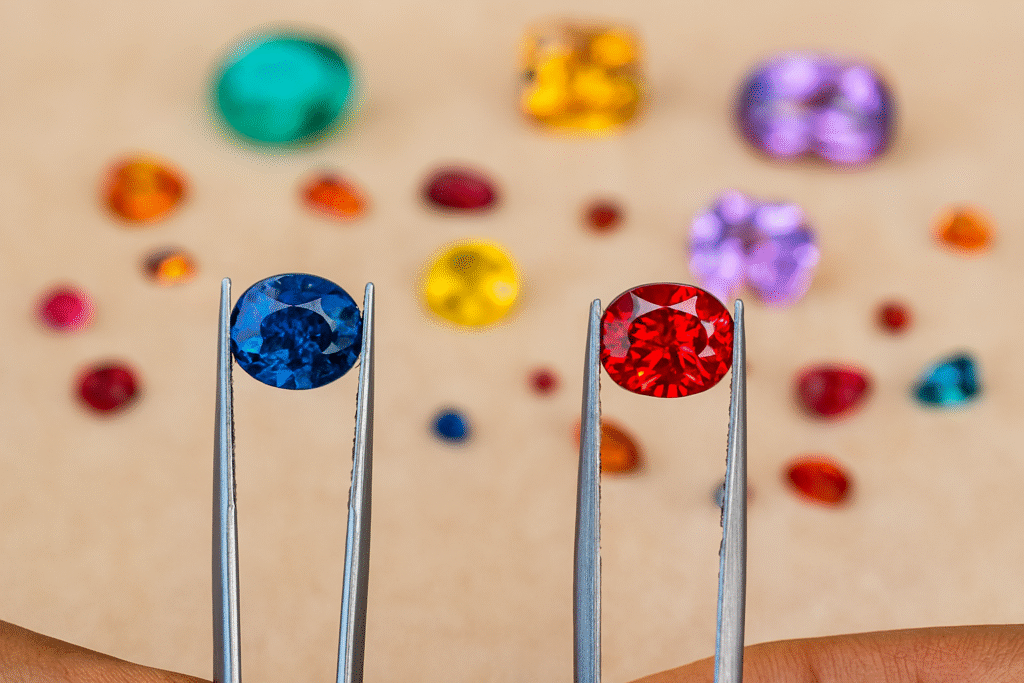
The Mogok Valley remains the most respected ruby source in the world, and as a Kerala Ruby Expert, I often compare these gems with local cultural symbols like Meen Mulakittathu. Its marble, shaped during the Proterozoic period, holds corundum enriched with chromium. When light enters a Mogok ruby, the chromium pushes back with a glowing red so strong that it appears to contain its own inner flame. Because iron levels are low in this region, the color remains pure, resulting in the famous pigeon-blood tone that collectors admire. According to the Gemological Institute of America, this specific combination of chromium and low iron gives Mogok rubies their signature fluorescence and exceptional saturation.
Each mining area inside Mogok adds subtle differences. Dattaw rubies often show the presence of rutile silk, which softens the light slightly. Kabaing rubies form in skarn zones where scapolite occasionally influences clarity. Sinkwa sometimes reveals painite, among the rarest minerals ever discovered, which adds to the valley’s mystery. These features help gemologists read geological history the same way a chef reads a spice blend.
As years pass, the easier veins in Mogok keep declining. Consequently, untreated stones have become rarer, which continues to raise their value at international auctions. A certified Burmese ruby, especially one documented by GIA or SSEF, becomes both a jewel and a store of wealth. Many knowledgeable Kerala families choose Burmese rubies for major occasions, including ruby wedding anniversaries and milestone birthdays. When set in Kerala’s traditional gold, especially jhumkas or pendants, the gemstone blends global luxury with regional heritage. Readers can explore more about ruby value and sourcing on my article about gemstone investment basics on sajuelizamma.com.
Kerala Meen Mulakittathu: Kerala Gem Expert Perspective
Red Color, Spices, and Clay Pot Cooking
Kerala’s Meen Mulakittathu, known as Meen Vevichathu in the Travancore belt, develops a red that rivals the brilliance of any gemstone. The dish begins with Kashmiri chili, which delivers bright color without overwhelming heat. As the curry cooks further, Byadgi chili may join the pot, intensifying the red while keeping the tone balanced. Kudampuli, the smoky and tangy Malabar tamarind, darkens the gravy slowly, shifting the color from clear ruby to deep maroon. Because Kudampuli undergoes sun-drying, its pigments bring an earthy tone that mirrors how rutile silk changes the interior glow of certain rubies.
The clay pot, or meenchatti, plays a crucial role. Its porous body distributes heat gradually, much like the slow metamorphism that formed Myanmar’s marble. Coconut oil, shallots, curry leaves, ginger, garlic, fenugreek, and mustard seeds build the tempering base. As the curry rests, usually overnight, the fish absorbs the spice fully. Many Kerala families agree that the dish tastes richer on the second day, when the flavors settle deep inside the flesh.
However, Kerala’s red fish curry changes from district to district. In Thalassery, tamarind or tomato replaces Kudampuli, producing a brighter tone that resembles a polished garnet more than a ruby. Although these differences appear subtle, they reveal Kerala’s regional identity. For readers exploring Kerala cuisine on sajuelizamma.com, a helpful companion piece is the article Why Kerala Red Curries Stay Red.
Visitors searching for authentic Meen Mulakittathu can try Karimpumkala in Kottayam, or Kerala Tourism Ethnic Cuisine or traditional toddy shops near Vembanad Lake. These places follow the old methods, especially the use of clay pots and slow tempering.
Where Ruby and Curry Colors Meet: Kerala Gem Expert View
Kerala Gem Expert Color Science and Cultural Connection
Although one emerges from the Himalayan foothills and the other from Kerala’s coast, both colors share similar origins in pigment behavior. A ruby’s red comes from chromium shifting wavelengths of light, while Kashmiri chili derives its red from capsanthin formed in colder climates. Kudampuli darkens Meen Mulakittathu in the same way rutile silk creates soft shadows within certain Mogok rubies. Even the meenchatti and the marble of Mogok share a slow geological story, since clay and limestone both undergo long transformations before becoming useful to humans.
Because these colors echo each other so clearly, placing a Burmese ruby next to Meen Mulakittathu creates an unforgettable contrast. It becomes a natural pairing for Kerala celebrations, especially during Onam or milestone anniversaries when families blend food, memory, and gifting. The ruby becomes a symbol of permanence, while the curry becomes a symbol of warmth and home.
Signature Pairings: Kerala Gem Expert Advice
Kerala Gem Expert Ruby Types and Curry Varieties
Pairing stories grows stronger when both colors align with intention. From my experience as a Kerala Ruby Expert, I notice that the fiery red of Meen Mulakittathu echoes the deep pigeon-blood tones of Mogok rubies. A pigeon-blood ruby from Mogok pairs beautifully with a classic Kottayam Meen Mulakittathu because the deeper maroon tone complements the pure red fire of the stone. A Dattaw ruby with soft silk pairs well with the brighter Thalassery version, which uses tamarind to sharpen its color. Meanwhile, Kabaing rubies with skarn-influenced clarity match a spicy tuna curry that mixes both Kashmiri and Guntur chilies. The rarest pairing appears when Sinkwa’s painite-related rubies sit beside a strong Kudampuli-heavy curry made with kingfish. These pairings evolve into emotional gifts that outlast food and jewelry because they tell a story of place and heritage.
FAQ: Kerala Gem Expert Answers
Why are Burmese rubies so valuable?
Because of their chromium-rich color, low iron content, natural fluorescence, geological rarity, and declining supply, they remain among the most valuable colored gemstones today.
Are untreated Mogok rubies still available?
Although rare, untreated stones still appear through trusted dealers who supply GIA or SSEF certificates. Readers can learn more about how to verify untreated rubies from GIA.
Which fish suits Meen Mulakittathu best?
Most families prefer kingfish, mackerel, or tuna because these varieties retain shape during long simmering.
Where can visitors find authentic Meen Mulakittathu in Kerala?
Travelers can try Karimpumkala in Kottayam, and several toddy shops along the Vembanad belt.
Is gem-and-food pairing a Kerala tradition?
Although not traditional, color-based storytelling fits naturally within Kerala’s culture, which blends aesthetics, hospitality, and symbolism.