Introduction
Who deserves applause when a beautiful, multi-layered dessert reaches your table or a rare, sparkling gemstone captures your attention in a ring? Most people instinctively name the head chef, the famous jewellery designer, or the luxury brand. However, many skilled, invisible experts shape these creations long before anyone sees them. Recipe developers meticulously test ingredients and methods, while professional diamond, coloured gemstone, and pearl graders examine materials to guide designers. Therefore, everyday buyers should know who actually stands behind the products they love. By acknowledging these specialists, we learn that true luxury relies on teamwork and technical precision rather than just a famous name. This article explores how food developers and gem graders share a singular, vital purpose in creating consistent quality.
Recipe Developers and Gemstone Graders Share a Purpose
How Gemstone Graders Assess Raw Materials
At first glance, food development and gemology seem worlds apart. Nevertheless, both fields rely on specialists who deeply understand raw materials. A recipe developer tests flour, butter, spices, and fruit, because farm-grown ingredients vary in moisture content and flavour profile. Consequently, chefs can focus on their own creativity and final presentation.
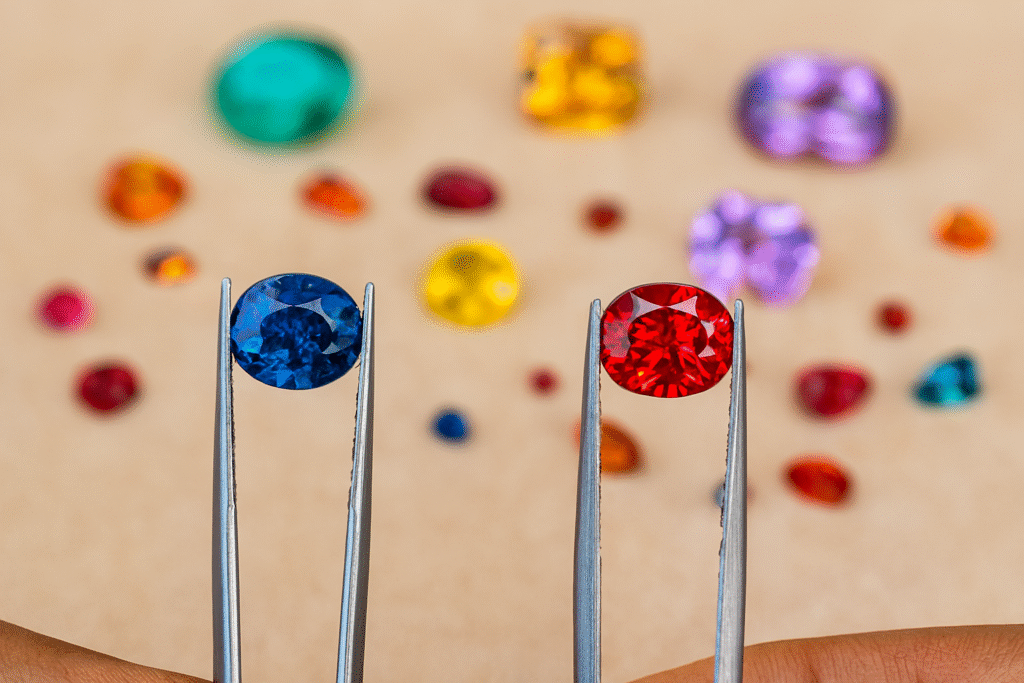
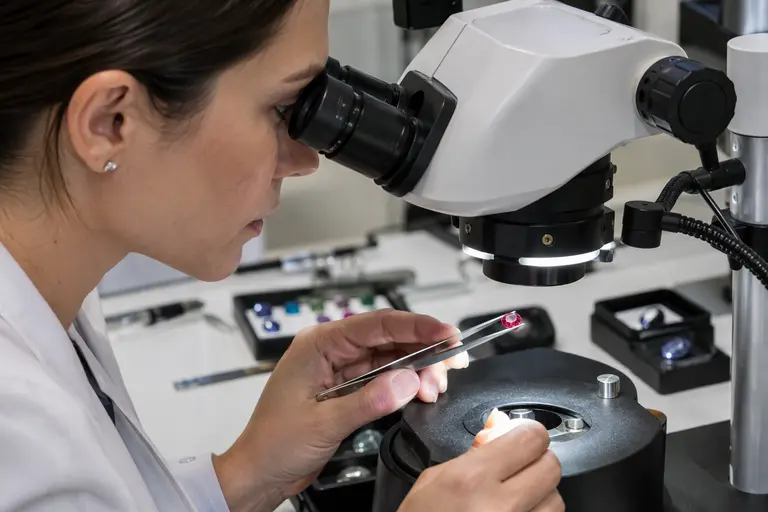
Gem experts work in a similar way. Diamond graders examine specific traits such as colour, clarity, cut, and carat weight. Coloured gemstone specialists assess hue, saturation, internal inclusions, and treatments, while pearl specialists judge shape, surface quality, and lustre. However, no single universal scale covers every coloured gemstone or pearl variety. Therefore, these experts deliver technical assessments, not just simple grades. Learn more in our guide on Understanding Diamond Grading and Coloured Gemstone Identification and Evaluation.
The Teamwork Behind the Final Creation
Consider a chef who plans a signature dessert. The recipe developer adjusts proportions, temperature, and texture until the formula works perfectly. Then, the chef adds personal flair and final presentation. Together, they create a dish that neither could finish alone.
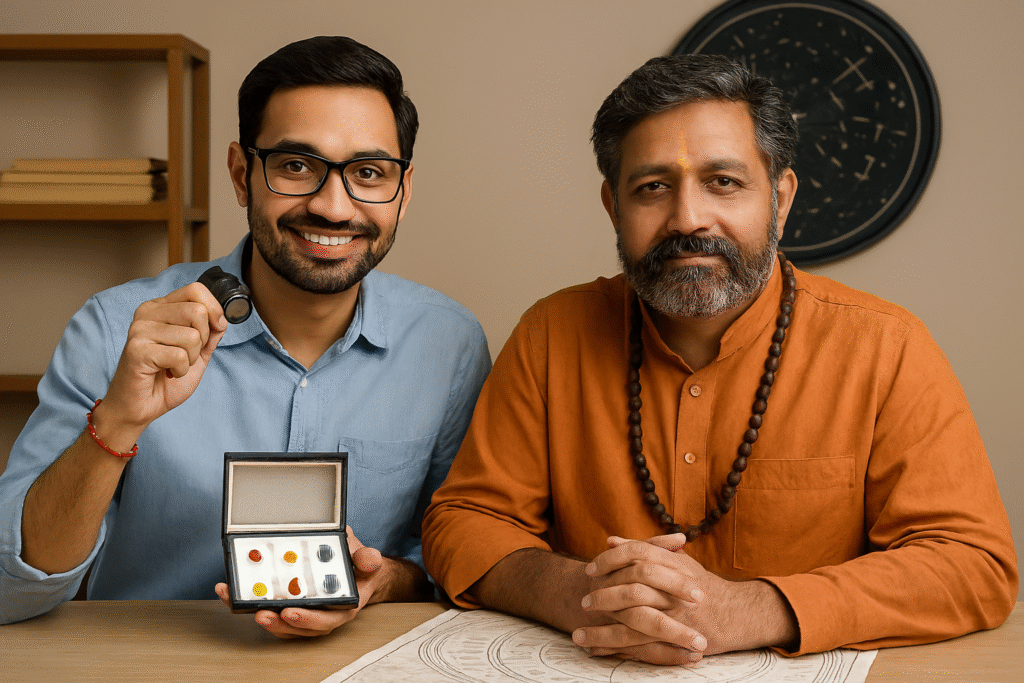
Jewellery follows a comparable path. A gemologist evaluates the available stones, and a skilled lapidary cuts or recuts them into the right shape. Still, graders cannot guarantee that a stone will fit a particular setting perfectly. Designers and setters must also weigh precise measurements, durability, and daily workmanship. As a result, the finished piece reflects successful teamwork, not one person’s isolated effort.
Why Buyers Rarely Know Their Gemstone Graders
Restaurant guests remember the chef, and jewellery buyers remember the brand. Meanwhile, technical specialists stay out of sight, because businesses usually promote the finished design and heritage status instead. Laboratory reports offer a brief glimpse of the hidden work. For example, the Gemological Institute of America (GIA) and the International Gemological Institute (IGI) issue reports for eligible diamonds and gemstones. However, these reports name the laboratory, not the individual grader who performed the examination. Food works differently, since no widely used, standardised grading report exists for a restaurant dish, making the human expert even harder to identify.
How Industries Credit Food Experts and Gemstone Graders
Some modern kitchens already lead the way. Dirt Candy, the New York vegetarian restaurant of chef Amanda Cohen, launched a spring menu in 2022 that credited its sous and pastry chefs for individual dishes. The team included Michaela Duke, Andrew Duong, and Matt Miller. Importantly, the restaurant praised its team without diminishing the head chef’s role. The wider food industry also honours technical talent. The Prepared Foods Spirit of Innovation Awards recognise development teams across research, formulation, and commercial launches. Clearly, food businesses already offer inspiring examples that jewellers can follow to improve their own transparency.
How Jewellers Celebrate Skilled Gemstone Graders
Jewellers have an equal opportunity to showcase their teams. Because each expert adds a different skill, jewellers should credit cutters, graders, and pearl specialists separately. Independent designers can name their lapidaries and setters in product descriptions, interviews, and behind-the-scenes videos.
Meanwhile, traceability tools add more detail. The GIA Provenance, powered by Tracr, shares history for eligible natural diamonds that Tracr has registered and GIA has graded. However, it does not name every person who cut, graded, or manufactured the stone. This distinction matters, because transparency must share verifiable facts and avoid creating misleading impressions.
Fair Rewards for Skilled Gemstone Graders
Recognition must go beyond a name in print. These professionals deserve fair pay, career growth, and respect for their original ideas. Moreover, clear credit helps young talent build careers and earn public trust. Furthermore, trade bodies and schools can create awards for technical excellence, and small businesses can publish staff interviews on their websites. Most importantly, public praise cannot replace fair, livable wages.
Luxury should not belong only to famous brands. Instead, it should honour the patience and knowledge behind every single product. A neighbourhood restaurant in Keralam and a local jeweller both depend on specialised expertise. Therefore, credit should become a normal business habit, not a publicity stunt. Ultimately, the chef and designer may collect the applause, but the recipe developer, the graders, and the lapidary also deserve a place in the story. Read our guide on Behind the Scenes of Indian Jewellery Craftsmanship.
Frequently Asked Questions
Do recipe developers and gemstone graders do similar jobs?
Yes. Both evaluate raw materials and provide knowledge that supports reliable results. Recipe developers test formulas, whereas graders document material traits.
Why do jewellery buyers rarely know their grader’s name?
Most laboratories issue reports under the institution’s name. Consequently, buyers recognise GIA or IGI but rarely learn which specific person performed the examination.
Do both industries recognise their specialists?
Yes, to a degree. Food manufacturers honour development teams through industry awards, and some restaurants credit staff on menus. Similarly, jewellers highlight master artisans.
How can small businesses give credit?
Small businesses can publish staff profiles, professional interviews, and behind-the-scenes content. They should also pay fairly for specialised work.
Does credit increase buyer confidence?
It can. Transparent information helps buyers understand the work behind a product. Nevertheless, credit must always accompany quality control.
Disclaimer
This article offers an educational comparison. These professions share goals, but their standards differ. Laboratory reports are not guarantees of final quality or value. The author has no financial affiliation with the brands or organizations mentioned.