Introduction
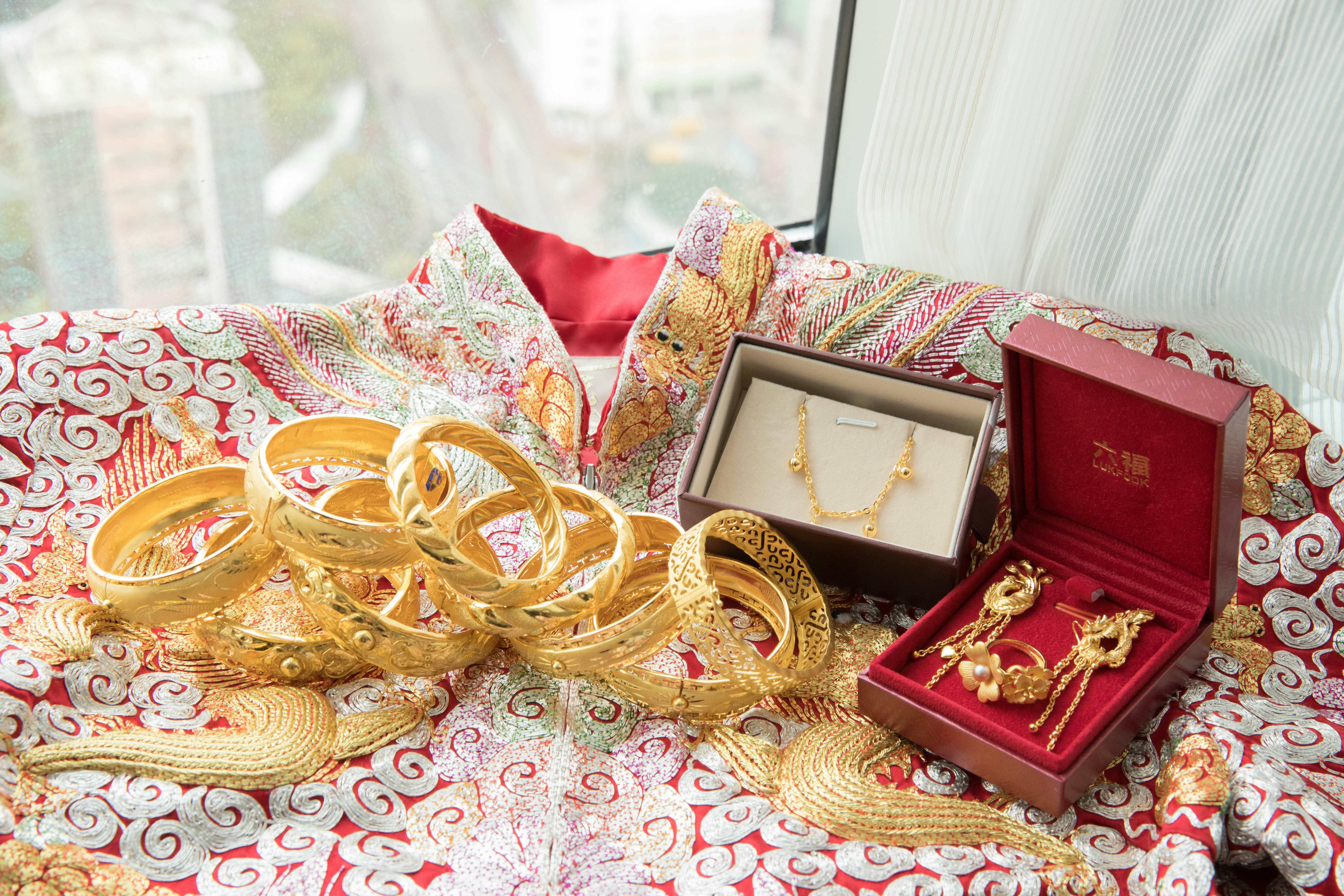
Luxury brands traditionally guard their manufacturing processes behind closed doors. However, shoppers increasingly want to know exactly who makes their purchases and how these items are crafted. Open workshops successfully meet that growing demand while celebrating artistic craftsmanship. In October 2026, Tiffany & Co. joined LVMH’s Les Journées Particulières, which ran from 16 to 18 October. The 2026 programme featured 45 maisons across 71 venues in 13 countries, according to LVMH’s official update. Indian businesses can easily adopt this successful model without building expensive visitor centres. By inviting the public inside, brands build authentic connections with their local communities. This approach serves the 99%—ordinary families who value transparency—by demystifying the manufacturing process. If you want to learn more about the industry, read our practical jewellery buying guide.
What Consumers Learn from Open Workshops for Jewellery
Understanding Open Workshops, Craftsmanship, and Prices
Indian jewellery buyers frequently compare gold purity, weight, gemstone quality, and making charges. Still, a finished price also reflects design complexity, skilled labour, and quality control. When shoppers watch a karigar create intricate filigree or set a gemstone, they see that immense work first-hand. Similarly, a watchmaking demonstration shows how tiny, complex mechanical parts work together in harmony. Consequently, customers compare products much more intelligently. Nevertheless, businesses should explain costs honestly, because a higher price does not always guarantee better quality. Learn more about understanding making charges.
Recognising Quality During Open Workshops
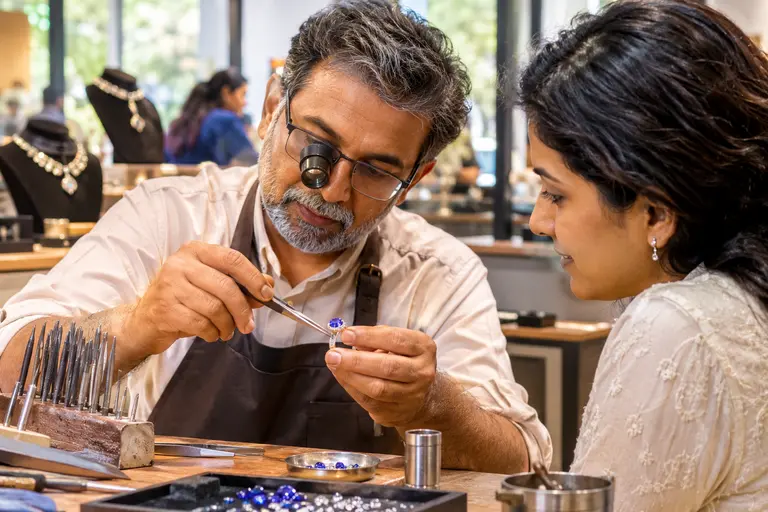
Open workshops also teach practical buying skills. For example, jewellers can demonstrate BIS hallmarking and HUID verification processes. Likewise, gemstone educators can show how a loupe reveals visible features, inclusions, and surface conditions. However, visual inspection alone cannot confirm every gemstone’s identity, origin, or treatment history. Therefore, buyers should know when a professional test or laboratory report is necessary. In addition, watchmakers can explain movement types and servicing needs, so visitors ask better questions before they spend their savings. Consult our guide on how to read a gemstone report for deeper insights.
How Businesses and Artisans Benefit
Building Trust and Customer Relationships
Retail counters display finished products under controlled lighting. Open workshops go much further, because they show how a product travels from initial design to final completion. As a result, customers often trust businesses that explain their processes clearly. Furthermore, live demonstrations help companies describe sourcing, quality checks, and the differences between natural gemstones, laboratory-grown diamonds, and imitations. However, businesses must separate verified facts from promotional claims. After all, transparency should help buyers decide, not pressure them to buy. Read our comparative guide on natural versus laboratory-grown diamonds.
Recognising Skilled Workers
India has rich jewellery traditions, including Kundan and Meenakari work in Rajasthan and temple jewellery in Tamil Nadu. Yet, buyers rarely meet the artisans behind these beautiful creations. Open workshops give karigars the recognition they deserve, and they show young people how much training these crafts demand. Likewise, independent watchmakers can introduce mechanical horology to new audiences. Although public demonstrations cannot solve every recruitment challenge, they effectively complement apprenticeships and formal skills training. Explore the rich gold jewellery heritage of Keralam to see how regional skills sustain the industry.
Open Workshops for India’s Jewellery and Watch Sectors
Open Workshops for Large and Independent Jewellers
Major manufacturers can schedule factory visits, provided they meet safety, security, and confidentiality needs. Meanwhile, independent jewellers can start with small demonstrations inside their shops. For instance, Jaipur businesses could showcase gemstone cutting, enamelling, and stone setting, while Surat manufacturers could explain diamond processing. Moreover, industry associations could coordinate shared open-workshop weekends, so participating businesses split promotional costs. Importantly, organisers should protect workers’ privacy, pay artisans fairly for extra duties, and seek permission before filming them.
Hosting Open Workshops for Independent Watch Brands
Smaller watch brands can host intimate sessions where collectors handle mechanical movements and question a watchmaker directly. The Bangalore Watch Company offers a documented example through its Watch Masterclass programme. Its three-hour experience at the Lavelle Road flagship boutique in Bengaluru lets small groups explore mechanical watchmaking with an in-house expert. Similarly, other Indian micro-brands can design sessions that suit their specific expertise. However, trained professionals should supervise any work with delicate components and specialised tools. Check the mechanical versus smartwatch guide for more context.
Running Digital Open Workshops and Community Events
Not every business can safely welcome visitors into its physical workshop. Therefore, companies can offer recorded demonstrations, live sessions, and virtual tours instead. Additionally, schools, colleges, families, and local residents should receive invitations, rather than only targeting wealthy collectors. Nevertheless, businesses must balance public access with operating costs and workplace security.
Making Open Workshops Useful for Every Customer
Open workshops should educate ordinary consumers, not simply entertain luxury buyers. Therefore, visitors should leave with a clear understanding of craftsmanship, sharper questions, and respect for the fair treatment of skilled workers. Businesses can measure results through visitor feedback, repeat participation, and customer confidence. Although workshops may generate sales and publicity, neither outcome is guaranteed. Ultimately, companies that explain how jewellery and watches are made help consumers appreciate skilled work, while those consumers continue to compare price, quality, and value.
Frequently Asked Questions
Can small jewellery businesses organise open workshops?
Yes. A jeweller can begin with a short artisan demonstration, a gemstone education session, or a hallmarking explanation. Large factories are not essential.
Will open workshops increase sales?
They may strengthen customer relationships and encourage repeat visits. However, results depend on product quality, pricing, service, and the experience.
Can open workshops preserve traditional crafts?
They can raise awareness and introduce young people to craft careers. Lasting preservation also requires fair wages and sustainable demand.
Should Indian industry associations coordinate these events?
Yes. Associations can help businesses share costs, set safety guidelines, and connect with schools and local communities.
Disclaimer
This article offers general educational and business commentary. Benefits vary by business and location. Organisers should verify all safety and security requirements. The author has no financial affiliation with the brands or organizations mentioned.