Introduction to the Platinum Supply Chain from Mine to Jewelry
A platinum ring looks effortless under the bright lights of a retail store. However, that single piece of jewelry carries months of intense mining, complex chemical refining, and precision craftsmanship behind it. Because platinum ranks among the rarest metals on Earth, the platinum supply chain from mine to jewelry involves more technical hurdles than almost any other precious metal.
Miners must process huge volumes of ore just to recover small amounts of usable metal. Afterwards, refiners spend significant time separating platinum from its closely related cousins, such as palladium and rhodium. Many people assume this entire process drags on for years. In reality, a freshly mined platinum ring often reaches a store shelf within six to ten months. This timeline depends heavily on global refining capacity and shipping conditions. Understanding this journey is essential, especially as buyers increasingly demand answers about responsible sourcing. This guide offers a similar behind-the-scenes look to our previous report on the silver supply chain from mine to jewelry.
Mining Stages in the Platinum Supply Chain
The platinum supply chain from mine to jewelry begins deep underground. Platinum forms only under rare geological conditions; consequently, it occurs in tiny concentrations compared to gold or silver. Because of this extreme scarcity, mining companies must process enormous quantities of rock to recover modest amounts of ore.
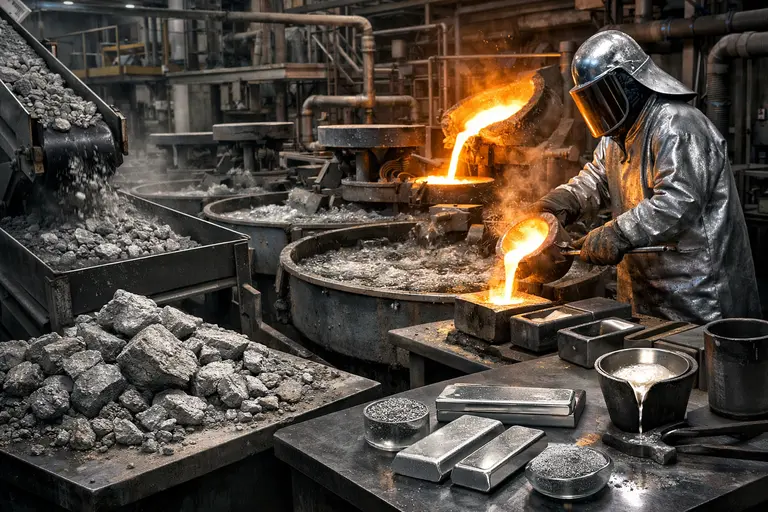
In most operations, workers move several tons of earth just to gather a single ounce of pure platinum. Once they extract the raw material, processing plants must crush and concentrate the ore immediately. Next, workers separate valuable minerals from waste rock through mechanical flotation and chemical methods. Although this stage involves heavy machinery and immense energy, it typically wraps up within a few weeks. However, the metal is still far from being jewelry-grade at this point.
Refining in the Platinum Supply Chain from Mine to Jewelry
Refining causes the biggest delay in the overall timeline. Unlike gold, which refiners can often process quickly, platinum rarely appears alone in nature. Instead, it shows up alongside a group of “Platinum Group Metals” (PGMs), including palladium, rhodium, ruthenium, iridium, and osmium. Therefore, refiners must rely on exhausting chemical processes to separate these metals from each other.
This work demands incredible precision and specialised facilities. Additionally, refiners must meet strict purity standards, usually 95% or higher, before selling the metal to manufacturers. Because of these complex requirements, refining often takes five to six months. Only after this lengthy stage can refiners deliver platinum bullion that is pure enough for everyday jewelry production. Consequently, refining remains the slowest and most technical link in the entire chain. For a technical overview of current refining standards, you can consult the World Platinum Investment Council.
Jewelry Production in the Platinum Supply Chain
Once jewelry manufacturers receive the refined bullion, production speeds up considerably. First, designers create digital models using CAD software or build prototypes by hand. Then, manufacturers cast, shape, and polish each piece. Generally, mass-produced rings—the kind most shoppers buy—move through the factory in just one to two weeks.
Custom rings, on the other hand, take longer because jewelers must complete detailed stone-setting and hand-finishing work. This craftsmanship is similar to the trade skills that stay ahead of AI in India, where human touch remains superior to automation. After manufacturing, inspectors check every piece for quality and stamp the purity markings, such as “Plat 950,” before preparing the items for shipment.
Distribution in the Platinum Supply Chain from Mine to Jewelry
Finally, the last stretch involves transportation and retail distribution. After manufacturers package the finished jewelry, logistics companies move the products to wholesalers and local stores. Usually, this step takes only one or two weeks. Occasionally, however, customs delays or inventory backlogs stretch the timeline further.
Overall, global platinum production stays concentrated in just a few countries. Specifically, South Africa supplies roughly 70 per cent of newly mined platinum worldwide. Russia ranks second, while Zimbabwe contributes meaningful volumes. Because so few countries dominate the supply, labour disputes or political instability in South Africa can affect global prices instantly. This makes the role of industry sheepdogs in tech and jewelry vital for maintaining market order and stability.
Responsible Sourcing in the Platinum Supply Chain
Generally speaking, platinum has no widely recognized “blood platinum” label, unlike conflict diamonds. Nevertheless, ethical concerns regarding labor safety and environmental impact still exist. Consequently, many modern companies now emphasize responsible sourcing and supply-chain transparency.
Third-party certifications help shoppers verify these claims. Although platinum isn’t typically linked to funding conflict, everyday shoppers should still factor environmental practices into their buying decisions. Organizations like the Responsible Jewellery Council (RJC) publish certification standards that are worth reviewing before making a major purchase.
The Platinum Supply Chain from Mine to Jewelry in India
Platinum jewelry continues gaining fans across India. Nevertheless, gold remains the dominant choice for most families. Largely, this gap comes down to culture and liquidity. For generations, Indian households have treated gold as both adornment and financial security. Platinum, by contrast, is often viewed as a luxury splurge rather than a liquid investment.
Additionally, gold enjoys a much larger resale market. Even so, younger shoppers increasingly choose platinum for engagement rings and modern designs, appreciating its durability and understated white luster. As consumer habits evolve, the platinum supply chain from mine to jewelry will likely expand its footprint in the Indian subcontinent.
FAQ About the Platinum Supply Chain from Mine to Jewelry
How long does platinum take to reach a store?
Typically, a newly mined platinum ring reaches the jewelry store shelf within six to ten months. The majority of this time is spent in the chemical refining phase.
Which country is the top platinum producer?
South Africa is the world’s leading producer, responsible for approximately 70% of the global platinum supply.
Is platinum more expensive than gold?
While platinum is rarer, its price fluctuates based on industrial demand (such as in car manufacturing). Sometimes it is more expensive than gold, but in other market cycles, it may be cheaper.
Is all platinum jewelry pure?
Most platinum jewelry is 95% pure, marked as “950 Plat.” The remaining 5% usually consists of other PGMs like iridium or ruthenium to increase the metal’s hardness.
Can platinum be recycled?
Yes. In fact, recycled platinum from jewelry and industrial scrap returns to the market much faster than newly mined ore, often within a few weeks.
Disclaimer
This article serves educational purposes only. The author has no financial affiliation with the mining companies mentioned. Production figures, market shares, and industry practices may change over time. Readers should verify current details through official associations before making investment decisions.