Introduction
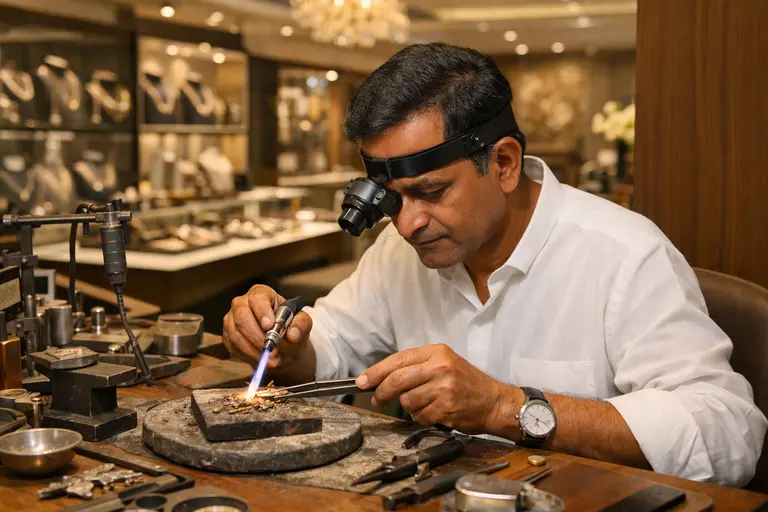
Independent jewelers across the United States are fundamentally changing how they operate their physical stores. Instead of hiding their workbenches in back rooms or dark basements, they are now moving them into plain view of the public. As a result, customers can watch skilled hands solder settings, polish metals, and review complex CAD designs right on the shop floor. This shift builds immense trust and turns an ordinary shopping trip into a memorable cultural experience. Moreover, the working bench becomes just as powerful a selling tool as the display cases themselves. Consequently, the big question is: can Indian jewelers follow this exciting trend? This article examines how Open Jewelry Workshops can succeed in India, identifies the best locations for this model, and offers practical advice for store owners. You should also read our guide on gemstone buying mistakes to understand how transparency protects both the jeweler and the client.
Why US Jewelers Embrace Open Jewelry Workshops
Independent jewelers in the United States embrace this model for clear, practical business reasons. First and foremost, transparency builds immediate trust. When customers commission a custom engagement ring or a family necklace, they want to see that their precious materials stay in expert hands. Specifically, they watch jewelers measure stones and polish metals live, which reassures them completely about the safety of their investment.
Furthermore, Open Jewelry Workshops create an immersive experience that changes the psychology of shopping. Shoppers no longer just browse static glass cases; instead, they witness real craftsmanship in action. Whether a jeweler files a tiny prong or tests a delicate clasp, the customer feels genuinely involved in the creation of their piece. According to reports from INSTORE Magazine, visible craftsmanship strengthens customer loyalty and drives repeat business at independent stores across the country. In addition, these shops install sleek benches with LED lighting and ergonomic tools to ensure the workshop looks as professional as the showroom.
Assessing the Success of Open Jewelry Workshops in India
Absolutely, the model of Open Jewelry Workshops can thrive within the Indian landscape. The country currently runs a jewelry market worth over $90 billion annually, according to data from the Gem & Jewellery Export Promotion Council (GJEPC). While Indians buy gold and gemstones enthusiastically for weddings and festivals, trust remains a persistent challenge. Many buyers still fear substandard craftsmanship or hidden metal weights.
Fortunately, India already possesses a strong cultural foundation for this idea. In Kerala’s traditional jewelry hubs, such as Kottayam and Thrissur, small workshops already buzz openly along busy streets. Customers frequently peer through doorways as local artisans hammer gold into traditional designs. Therefore, this cultural familiarity makes the transition to formal Open Jewelry Workshops feel natural rather than foreign. Independent stores can adapt this US-style transparency to local preferences, focusing on affordable silver or 22K gold that suits middle-class budgets. You may also read our article, Understanding BIS Hallmark, to see how visible testing can further enhance this trust.
Top Locations for the Open Workshop Model
Certain Indian cities stand out as ideal starting points for this retail revolution. To begin with, Mumbai’s Zaveri Bazaar buzzes with energy daily. Independent jewelers in this district can differentiate themselves easily by installing glass-fronted benches. When customers watch live assembly while they negotiate prices, they feel more confident and buy more willingly.
Similarly, Delhi’s Chandni Chowk offers massive potential, especially during the Diwali season when foot traffic surges. A street-facing window that showcases live engraving work attracts curious crowds instantly. Southern cities like Kochi and Chennai also shine bright for this trend. In these regions, tech-savvy young buyers respond enthusiastically to live CAD demonstrations. Furthermore, tier-2 cities such as Jaipur and Lucknow hold untapped potential for showcasing traditional meenakari and polki work.
Who Will Lead the Pioneer Movement?
Forward-thinking independent owners will drive this change across the country. In particular, family-run shops with decades of experience understand customer skepticism deeply. They know exactly why buyers distrust backroom dealings, which gives them a powerful motivation to innovate. Additionally, young jeweler-entrepreneurs trained through modern gemological programs bring fresh creative energy to the workbench.
Brands such as BlueStone and CaratLane already build digital trust through transparent online tracking. Physically independent stores can powerfully amplify this approach by offering a tangible, in-person experience. In short, the ideal pioneer is an owner who uses social media to showcase their bench work and attract local followers. Women-led boutiques can particularly excel here, as they often build a closer rapport with bridal clients who value seeing their “thali” or “mangalsutra” crafted with care.
Practical Advice for Implementing Open Jewelry Workshops
Starting small makes this transition affordable and manageable for local businesses. First, you should clear a dedicated area near your entrance and install high-quality glass partitions. Generally speaking, this basic setup costs under ₹1,00,000 and delivers immediate visual impact. Next, you must train your jewelers to explain their technical work aloud while they perform it.
Furthermore, utilizing free CAD preview apps adds a modern touch that impresses customers without requiring a massive investment. After the physical setup is complete, you should prioritize security at every stage. Keep high-value inventory in locked cases and follow all hallmarking rules from the Bureau of Indian Standards (BIS) strictly. By combining these steps, you build a credible brand story that resonates with every buyer who enters your shop.
FAQ: Open Jewelry Workshops in India
Can a small retail shop afford an open workshop setup?
Yes, absolutely. A basic setup featuring a visible workbench and professional lighting typically costs between ₹1 and ₹2 lakhs. The resulting increase in customer trust usually pays for the investment within the first year.
Does an open workshop increase the risk of theft?
Generally speaking, no. Modern security measures like CCTV cameras and glass partitions manage safety effectively. Most stores report that the increased presence of staff on the floor actually deters potential shoplifters.
Which jewelry types work best for live demonstrations?
Everyday items like gold chains, studs, and bangles work perfectly. Seeing a jeweler polish a simple chain or set a small stone provides enough “theatre” to satisfy most customers.
How does this benefit middle-class buyers specifically?
Transparency removes the fear of being cheated. When a buyer sees their gold being weighed and handled openly, they feel they are receiving genuine value, which is vital for purchases under ₹50,000.
Do jewelers need special public speaking training?
Not necessarily, but they should learn basic customer engagement skills. Specifically, being able to answer questions about metal purity and stone settings while they work can significantly boost sales.
Disclaimer
This article provides general insights based on industry trends as of April 2026. Jewelry practices, costs, and regulations vary by region across India. Always consult local experts and comply fully with BIS hallmarking laws before making changes to your store. Individual results will differ; no specific outcomes are guaranteed.