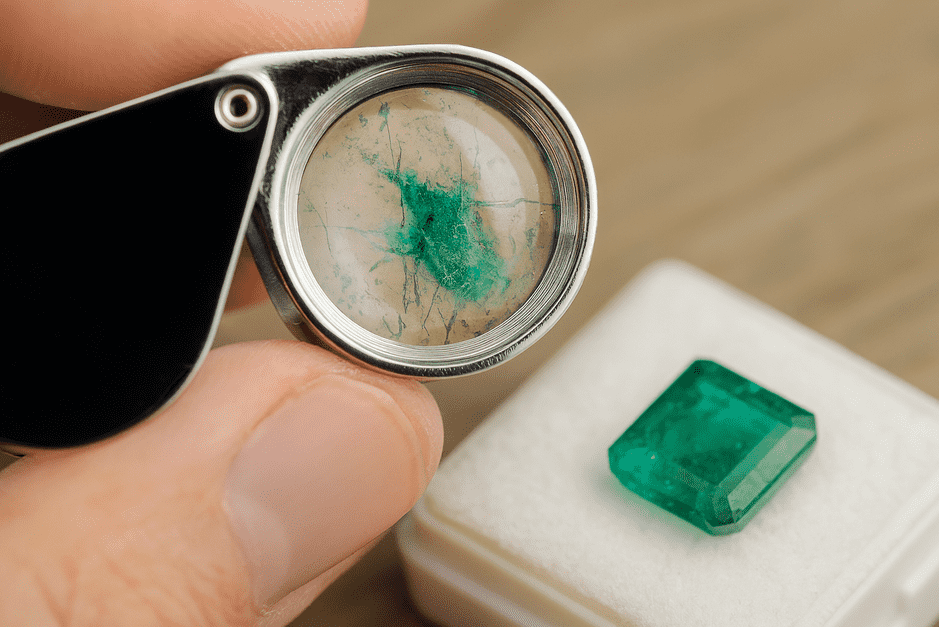
gemstone buying tips

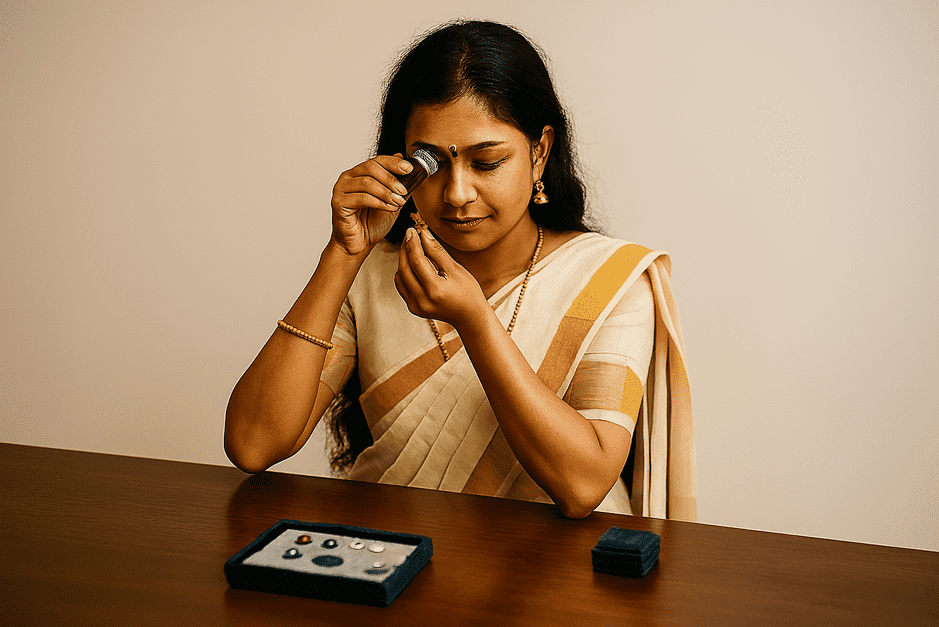
Wishful thinking in gem identification leading to costly mistakes

Wishful Thinking in Gem Identification: Avoiding Costly Mistakes

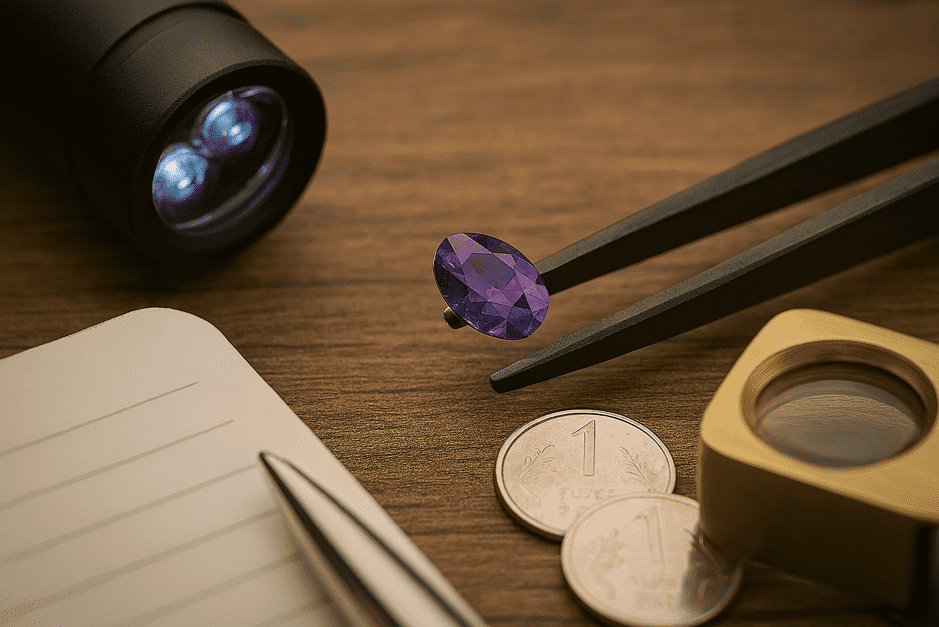
Introduction Wishful thinking in gem identification is one of the most dangerous traps in gemology. When you want a stone to be valuable, confirmation bias can blind you to evidence that proves otherwise. This guide explains how to avoid the costly mistakes that come from desire overriding discipline. Is Wishful Thinking the Most Dangerous Trap

Wishful Thinking in Gem Identification: Avoiding Costly Mistakes Read More »

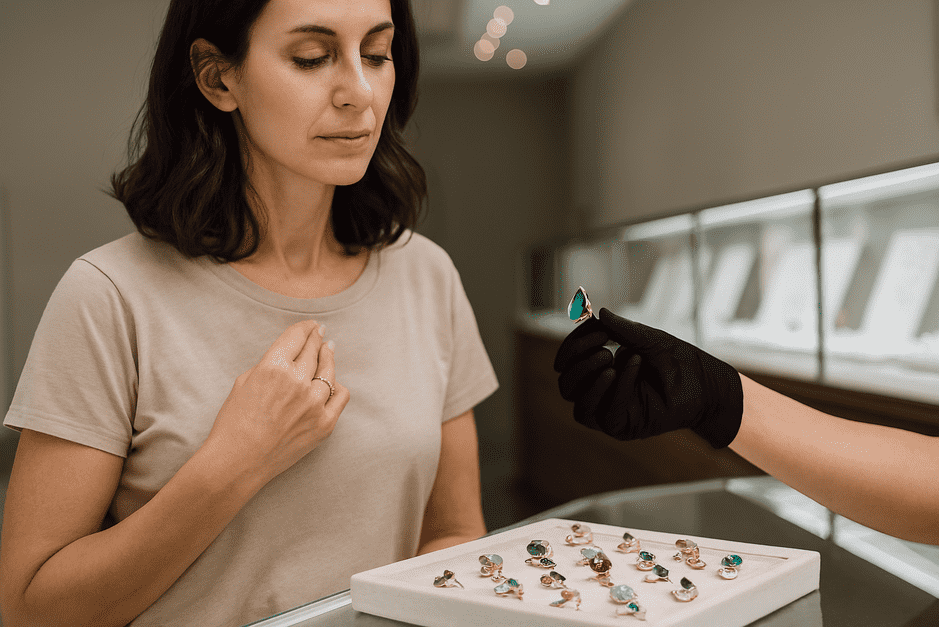
Perfect gemstone for you—emerald ring matching skin tone and style

Perfect Gemstone for You: How to Buy Stones You’ll Actually Wear

Choosing a gemstone isn’t just about rarity or flawless clarity. You need the perfect gemstone for you—one that fits your style, skin tone, and lifestyle. The key is prioritizing your personal needs over market trends. A stone may appear flawless on paper. Yet if the color clashes with your skin tone, or the size is

Perfect Gemstone for You: How to Buy Stones You’ll Actually Wear Read More »

Chrysoberyl gemstones showing standard yellow-green, cat’s eye, and alexandrite color change.

Chrysoberyl vs Alexandrite: Avoid This Costly Mistake

Summary Many buyers confuse chrysoberyl with alexandrite. That’s a costly mistake. While both belong to the same gem family, chrysoberyl vs alexandrite is a story of rarity, color, and value. Alexandrite’s color change makes it unique, while standard and cat’s eye chrysoberyl are beautiful, affordable, and strong.Learn how to identify each, avoid fake claims, and

Chrysoberyl vs Alexandrite: Avoid This Costly Mistake Read More »

Learn why heat treatment in sapphires is a standard and accepted practice.

Why Your Heated Sapphire Isn’t Fake

Summary Over 95% of sapphires go through heat treatment to boost color and clarity.This stable, permanent process doesn’t harm the gem or make it fake.Heated sapphires offer beauty and strength at lower prices, while unheated ones remain rare and expensive.Buyers should always check lab reports and compare values before purchasing. Introduction When you hear the

Why Your Heated Sapphire Isn’t Fake Read More »

A gemstone viewed under different light sources showing vivid color change and light reflection variations.

Gemstone Lighting Guide: See True Colors Before You Buy

Summary The gemstone lighting guide explains why testing gemstones under multiple lights is crucial. Learn to spot color change, windowing, and flaws before purchase. Introduction When buying gemstones, you need a gemstone lighting guide to see the true colors before you buy. Store lights can make gems sparkle indoors, but outdoors they may appear dull

Gemstone Lighting Guide: See True Colors Before You Buy Read More »

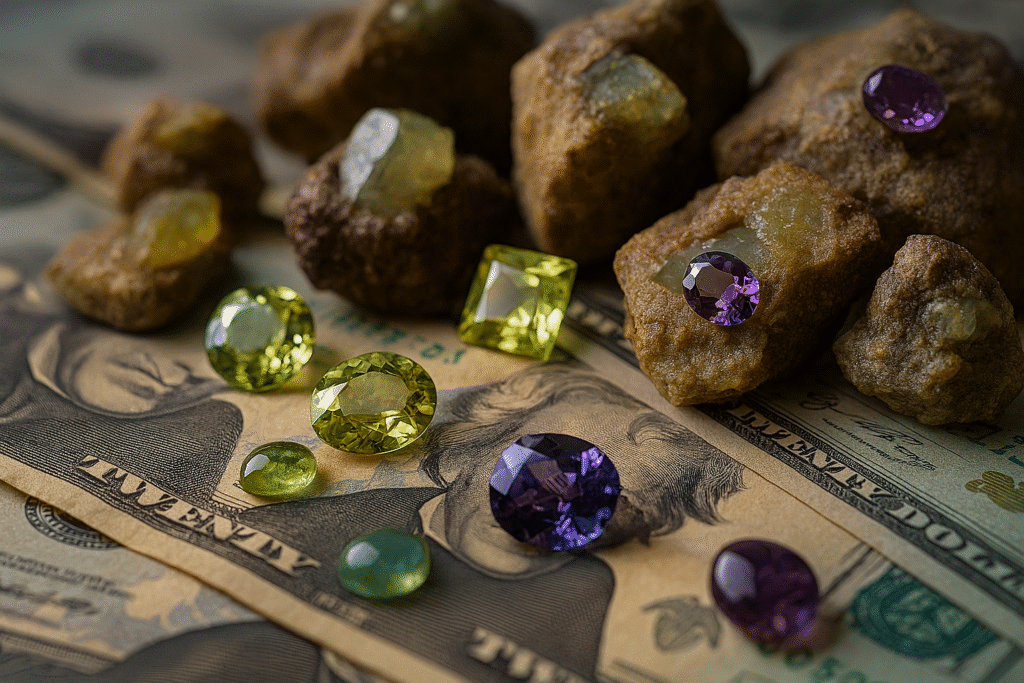
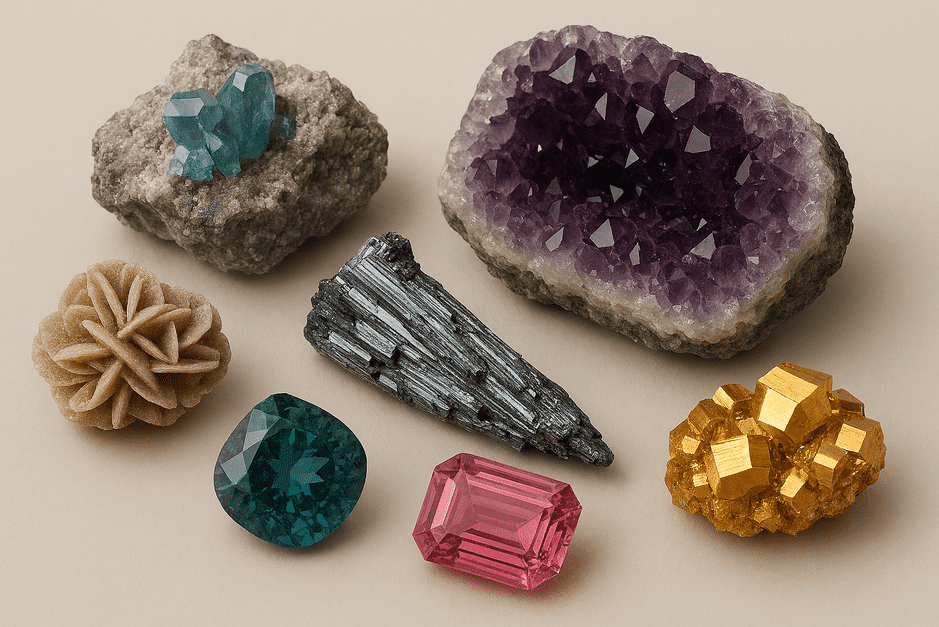
Close-up of colorful mineral specimens displayed on a table with detailed buyer inquiry.

Spotting Overhyped Mineral Specimens: Smart Buying Tips

SummaryThis guide explains spotting overhyped mineral specimens, showing how sellers inflate prices with dramatic stories. Learn to verify origins, assess rarity, and make smarter buying decisions with practical tips and expert advice. Introduction Spotting overhyped mineral specimens is essential for every collector or buyer. When you purchase minerals, you are often paying for the seller’s

Spotting Overhyped Mineral Specimens: Smart Buying Tips Read More »

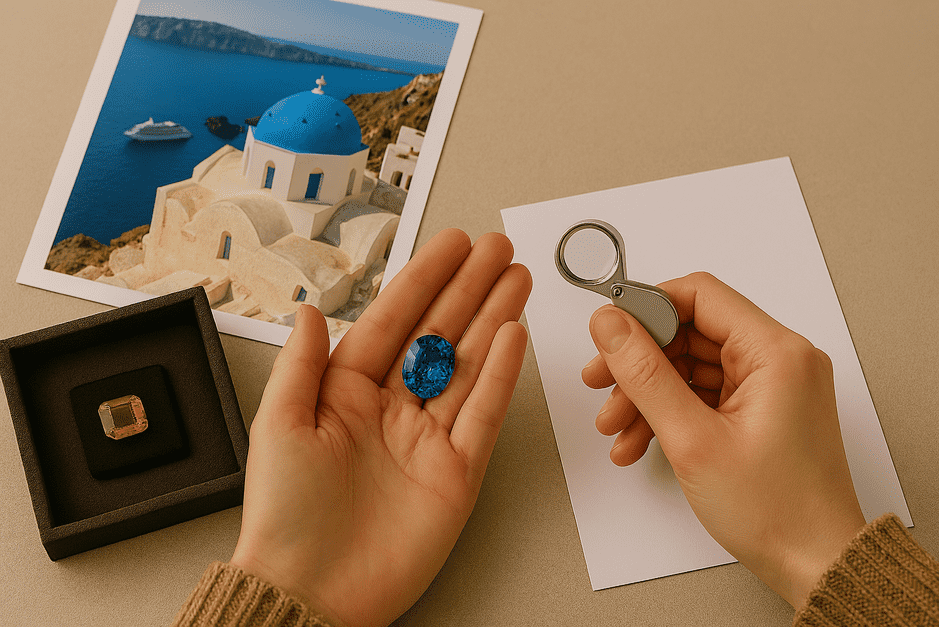
Vacation tourist examining a tanzanite gemstone in a jewelry shop with a warning about overpriced stones.

Vacation Gem Trap: How to Avoid Overpriced Stones

SummaryBuying gemstones while traveling can be risky. Tourist shops often sell treated, synthetic, or common stones as rare gems. Prices can be inflated 400–1000%, leaving buyers with major losses. This guide explains why travelers fall for the vacation gem trap, how to verify gems, and ways to protect your money. Buying Gems Abroad? Beware the

Vacation Gem Trap: How to Avoid Overpriced Stones Read More »

Astrologer and gemologist working together showing why astrologers aren’t gemologists and what that means

Why Astrologers Aren’t Gemologists and What That Means

Summary Astrologers interpret your stars; gemologists interpret your stones. This article explains why astrologers aren’t gemologists and what that means for you.Astrologers prescribe gemstones for planetary balance, while gemologists confirm whether those gems are natural, untreated, and valuable. By working with both, you ensure your remedy is genuine, powerful, and worth your investment. Your astrologer

Why Astrologers Aren’t Gemologists and What That Means Read More »

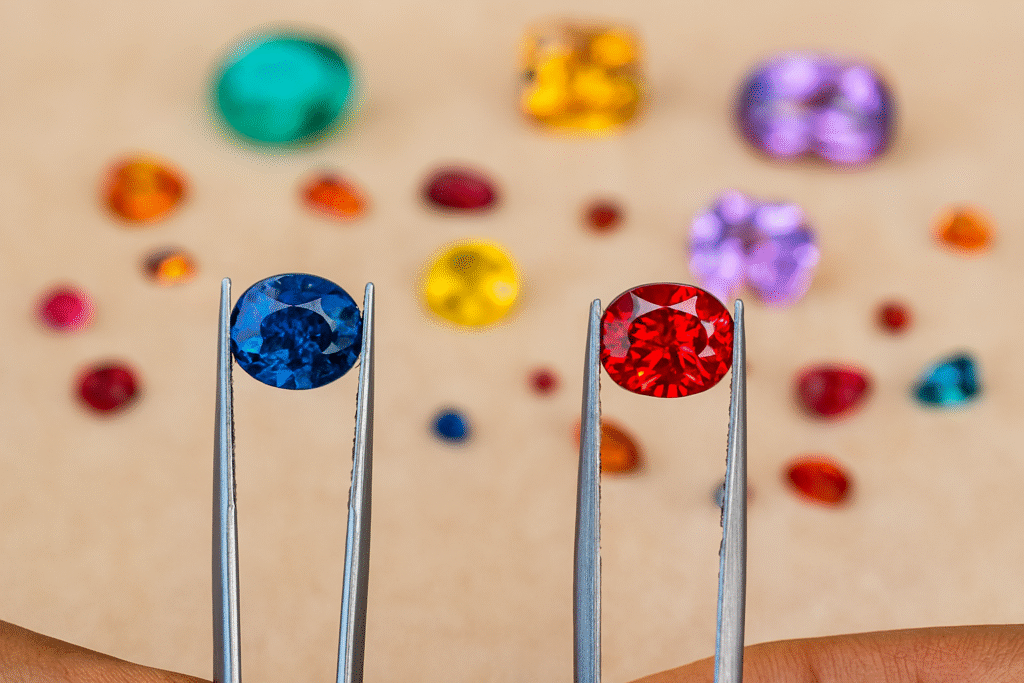
Natural and synthetic gemstones in Jaipur showing clarity and color differences.

Natural vs Synthetic Gemstones: Spot Fakes in Jaipur

SummaryIn Jaipur, not all gemstones are natural. Learning to identify natural vs synthetic gems helps you avoid fakes. This guide explains visual clues, questions to ask, and trusted lab certificates so you can buy with confidence. Table of Contents 1. Perfect Clarity Can Be Misleading When comparing natural vs synthetic gems, notice tiny inclusions or

Natural vs Synthetic Gemstones: Spot Fakes in Jaipur Read More »