Summary
The Patek Philippe Museum in Geneva preserves more than 500 years of horological history. Founded by Philippe Stern, it houses 2,500 watches, automatons, and miniature enamels. The museum features three major collections, a live restoration workshop, and a vast horological library with 8,000 works. Visitors can explore Geneva’s craftsmanship, from early pocket watches to modern masterpieces by Patek Philippe.
Inside Geneva’s Watchmaking Landmark: The Patek Philippe Museum
When you step into the museum, you enter five centuries of timekeeping mastery
Located in Geneva, this landmark celebrates the lifelong passion of Philippe Stern, who built one of the most remarkable watch collections ever assembled.
Its purpose is clear — to share the art of fine watchmaking and protect Geneva’s heritage.
If you appreciate craftsmanship, you might also enjoy reading about the History of Swiss Watchmaking to understand the roots of this legacy.
What You’ll Discover During Your Visit
The museum showcases more than 2,500 watches, automatons, and miniature enamel portraits.
You’ll find three major sections:
- Antique Collection
- Patek Philippe Collection
- The Artisan’s Atelier
In addition, there’s a library with over 8,000 books about timekeeping. Together, these exhibits offer a clear picture of how humans learned to measure time.
Antique Collection (16th–19th Century)
Displayed on the second floor, the Antique Collection reveals the early stages of European watchmaking.
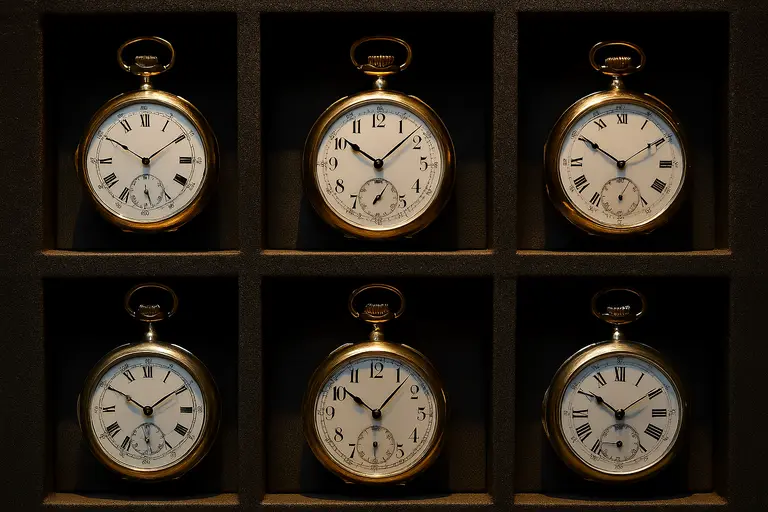
Here, you’ll find Geneva’s enamel pocket watches, mechanical automata, and artistic snuff boxes. Each piece tells the story of how function met beauty centuries before wristwatches existed.
Moreover, these creations connect to Geneva’s hallmark standards, explored in What the Geneva Seal Really Means.
Patek Philippe Collection (1839–Present)
On the first floor, the Patek Philippe Collection showcases the brand’s own evolution — from the first pocket watches to the most complex wristwatches ever made.
For example, you’ll see:
- Early perpetual calendar pocket watches
- The original Calatrava designs
- Rare prototypes of the Nautilus
Therefore, this floor reveals how precision and design grew together through time.
If you collect watches, learn how to authenticate them in How to Identify a Genuine Patek Philippe.
Inside the Artisan’s Atelier
On the ground floor, the Atelier brings visitors close to restoration craft.
Here, master craftsmen use antique tools to repair centuries-old mechanisms. Meanwhile, visitors can watch how patience and precision bring these watches back to life.
You can also compare this with the artistry at the Breguet Museum in Paris.
Library and Historical Archives
The third floor hosts a vast horological library of over 8,000 works Besides this, it offers miniature enamel portraits and snuff boxes, blending art with craftsmanship.
Consequently, visitors can see how science and creativity shaped Geneva’s watchmaking culture.
To explore more about these techniques, see The Art of Enamel in Watchmaking.
Planning Your Visit
Address: Rue des Vieux-Grenadiers 7, 1205 Genève
Website: www.patekmuseum.com
Opening Hours:
- Tuesday to Friday: 2:00 PM – 6:00 PM
- Saturday: 10:00 AM – 6:00 PM
- Closed on Sunday and Monday
Plan your visit to Geneva’s most famous museum for a rare look at watchmaking heritage
Alternatively, plan a horology route including the Omega Museum in Biel.
Why This Museum Matters
The Patek Philippe Museum reminds you that timekeeping is both science and art.
Over time, every tick connects the work of 16th-century artisans to today’s watchmakers. As a result, you see how generations refined the art of precision.
Museum FAQ
What is the Patek Philippe Museum known for?
It showcases over 2,500 watches and automatons spanning 500 years of horology.
Who founded the museum?
Philippe Stern, honorary president of Patek Philippe.
Can visitors see watchmaking in action?
Yes, especially in the ground-floor restoration atelier.
Is there a library?
Yes, in fact, it contains more than 8,000 horological publications.
Can you take photos?
Photography is restricted inside the museum to protect fragile works.
Credit
This article draws on reporting originally published by The Patek Phillipe Museum.
Credit to The Patek Phillipe Museum for sharing the insightful information.
This story is adapted from The Patek Phillipe Museum website, with additional SEO and contextual research by Saju Elizamma.