
Summary
The Oscar Heyman 2025 Holiday Catalog highlights the brand’s mastery in colored gemstone jewelry. Additionally, it features over 100 unique pieces handcrafted in its Madison Avenue workshop. Printed copies were sent to partner retailers across the U.S., and now the digital edition is available on the Oscar Heyman website.
A New Chapter in American Jewelry Craftsmanship
Oscar Heyman, the New York-based color gemstone jewelry brand founded in 1912, has released its 2025 Holiday Catalog.
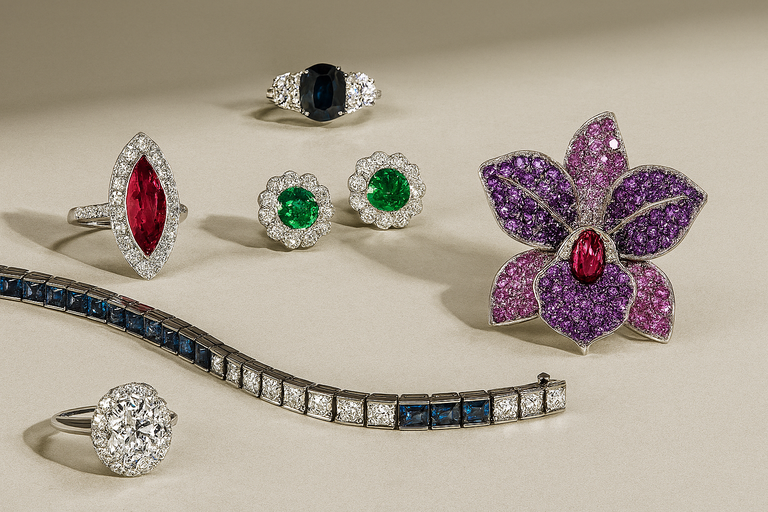
Furthermore, the limited-edition book showcases never-before-seen images of more than 100 one-of-a-kind pieces, all designed and crafted in the brand’s Madison Avenue atelier.
Printed copies have been shipped to partner retailers across the United States in time for the holiday season.
Meanwhile, the digital version is accessible directly on Oscar Heyman’s official website.
For related insights, see Gemstone Jewelry Trends 2025 and High Jewelry Craftsmanship in New York.
Inside the 2025 Holiday Catalog
Every creation in this collection tells a story of craftsmanship and heritage.
You’ll find:
- Classic gemstones — rubies, sapphires, and emeralds.
- Rare treasures — alexandrites, paraibas, and cat’s-eye chrysoberyls.
- Meticulous design — from setting and polishing to hand engraving.
Moreover, each piece takes weeks, months, or even years to complete.
Therefore, the catalog is not just a showcase but a celebration of artistry that bridges generations.
The Brand’s Legacy and Vision
Tom Heyman, President of Oscar Heyman, shared:
“Our team of expert designers, lapidaries, setters, engravers, jewelers, and polishers have been working diligently to transform exceptional stones into luxurious treasures. Producing these requires old-world craft, rigorous training, and modern technology.”
As a result, the Oscar Heyman 2025 Holiday Catalog reaffirms the brand’s goal of being the leading colored gemstone jewelry maker in the world.
Each design showcases refined, timeless aesthetics and enduring quality.
For more about heritage design, read Understanding Fine Jewelry Hallmarks.
Why This Matters to You
If you appreciate fine gemstones or run a jewelry boutique, this catalog is a must-see.
It helps you:
- Understand current design trends in high jewelry.
- Learn how handcrafted pieces maintain value over time.
- Gain insight into the New York jewelry trade and its legacy brands.
In addition, you can explore our guide to Gemstone Buying Guide to deepen your knowledge.
FAQ
Q: What makes the Oscar Heyman 2025 Holiday Catalog special?
A: It features over 100 handcrafted gemstone pieces, each designed in New York and made with rare and traditional stones.
Q: Where can I access the catalog?
A: Visit Oscar Heyman’s official website to view the digital version or visit select partner retailers across the country.
Q: How long does it take to make each piece?
A: Depending on complexity, each creation may take weeks to years from design to final polish.
Q: Which gemstones are included?
A: Rubies, sapphires, emeralds, alexandrites, paraibas, and cat’s-eye chrysoberyls.
Q: Is this catalog available internationally?
A: Yes, the digital catalog is accessible worldwide through the Oscar Heyman website.
This comprehensive global cuisine FAQ covers everything about Asian and Western food and drinks. Whether you’re exploring international cooking techniques or discovering new flavors, this global cuisine FAQ answers the most frequently asked questions about world food traditions, ingredients, and culinary practices from both Eastern and Western cultures.
Global Cuisine FAQ: Asian & Western Food & Drinks
Food reveals cultural contrasts in clear and delicious ways. From cooking methods to dining customs, Asian and Western cuisines showcase unique traditions while also offering fascinating overlaps. Below, you’ll find answers to the most common questions about these culinary worlds.
Understanding Core Differences in Cuisine
1. What distinguishes Asian and Western culinary traditions?
Asian meals often rely on rice or noodles as a foundation. Flavors usually come from soy sauce, ginger, garlic, and a wide variety of spices. Meanwhile, Western gastronomy emphasizes bread, potatoes, and pasta. Dairy plays a key role, with butter, cream, and cheese giving richness to many dishes. Herbs such as rosemary and thyme highlight European cooking. These contrasts create distinct dining habits and flavor profiles.
2. Are Asian dishes always spicy?
No, not at all. While cuisines from Thailand and parts of India feature bold use of chilies, not every dish follows this pattern. Japanese sushi, Chinese dim sum, and Korean bulgogi are mild examples. In fact, Asian cuisines range from fiery to delicate, showcasing a rich palette of flavor.
Western Breakfast Staples and Comfort Foods
1. What constitutes typical Western morning meals?
Western breakfasts often include eggs, bacon, and toast. Pancakes, waffles, and cereal are also popular choices. These hearty starts are usually enjoyed with coffee, tea, or juice, providing both energy and comfort.
2. What represents popular Western comfort foods?
Comfort foods in the West speak to nostalgia and indulgence. Creamy macaroni and cheese, pizza, and hearty casseroles are favorites. Similarly, burgers and fried chicken have wide appeal. Because they are warm, filling, and familiar, these dishes strongly connect to emotion.
Cultural Dining Practices
1. Do all Asian cultures employ chopsticks?
No. Chopsticks dominate in East Asia—China, Japan, and Korea. However, Southeast Asia prefers spoons and forks, while India and parts of the Middle East often use flatbreads or hands. This diversity highlights how food customs closely reflect culture.
2. Why are some Asian foods fermented?
Fermentation preserves food while also enhancing nutrition and flavor. Korean kimchi, Japanese miso, and Indonesian tempeh show how tradition meets health benefits. These foods are valued not only for taste but also for their role in well-being.
Common Western Beverages
1. What beverages are common with Western meals?
Western dining often features water, soda, or fresh juice. Alcohol also has a strong cultural connection, with wine served at European dinners and beer central in North America. In the southern United States, sweet iced tea is a staple.
Dietary Flexibility and Options
1. Can one discover plant-based options easily?
Yes. Asian cuisines offer tofu stir-fries, lentil dals, and vegetable curries that are naturally vegetarian. Western food, similarly, embraces plant-based eating. Salads, vegetarian pastas, and vegan burgers have grown popular, making meat-free dining accessible worldwide.
Unique Asian Drinks to Explore
1. What are some unique Asian beverages?
Asia provides a wide variety of distinctive drinks. Bubble tea, from Taiwan, combines tea with chewy tapioca pearls. Japanese sake, made from rice, holds deep cultural meaning. Strong Vietnamese iced coffee, sweetened with condensed milk, adds a bold twist compared to Western brews.
Portion Sizes and Dining Habits
1. How do portion sizes compare?
Western meals often emphasize large servings, reflecting abundance. By contrast, Asian meals are usually smaller yet balanced, encouraging sharing and mindful eating. This creates different social experiences around the table.
The Art of Fusion Cuisine
1. Is it feasible to integrate Asian and Western flavors?
Absolutely. Fusion cuisine blends traditions in creative ways. For instance, teriyaki burgers combine Japanese flavors with American fast food, while kimchi tacos bring Korean spice to Mexican street food. These playful mixes show how food bridges cultures.