Introduction
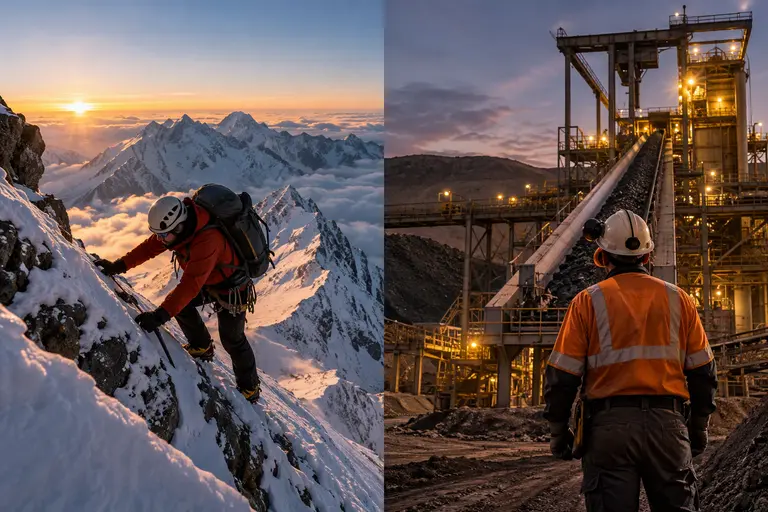
Should parents risk their lives for personal ambition or economic survival when children depend on them? This question of balancing mining and adventure against family responsibility is central to the documentary Everest: The Other Side. Elizabeth Chai Vasarhelyi and Jimmy Chin directed the film, which National Geographic releases in theatres and IMAX on 30 October 2026. It began as the couple’s shared plan to climb and ski Everest’s north face, but a tragic avalanche later highlighted the heavy toll of extreme risk. Nevertheless, this dilemma regarding mining and adventure reaches far beyond mountaineering. Gemstone, diamond, gold, and rare earth miners also face serious hazards while they support their families. Moreover, their work supplies the essential materials for jewellery, electronics, and modern infrastructure. Therefore, this article examines both groups so ordinary readers can think clearly about duty, risk, and the ethics of dangerous work.
Adventure and Mining: Weighing the Risks
Personal Ambition in Extreme Mining and Adventure
Experienced mountaineers often chase personal fulfilment, professional achievement, or an extraordinary goal. Furthermore, they invest years in rigorous training and preparation. Even so, unpredictable avalanches and severe weather can defeat the best plans. Consequently, parents who take on extreme adventures should carefully weigh the long-term effect on their children and partners. Personal fulfilment matters; however, it does not automatically justify every risk. At the same time, we should not label a passionate climber an irresponsible parent. Instead, families should discuss acceptable risks, create emergency plans, and honestly address the consequences of a possible tragedy.
Economic Necessity and Mining
By contrast, many miners work in hazardous places because they need income for food, housing, education, and healthcare. Indeed, mining offers jobs in some regions where few other alternatives exist. Of course, this does not describe every miner or every community. Moreover, a parent who earns daily wages faces immediate hardship after quitting a dangerous job without a new plan. Therefore, simply telling miners to leave ignores the intense pressures behind their choices. Nevertheless, poverty should never excuse preventable injuries. Accordingly, employers and governments must improve safety measures and help workers reach fair wages and alternative livelihoods.
Families Facing the Risks of Mining and Adventure
Living With Uncertainty
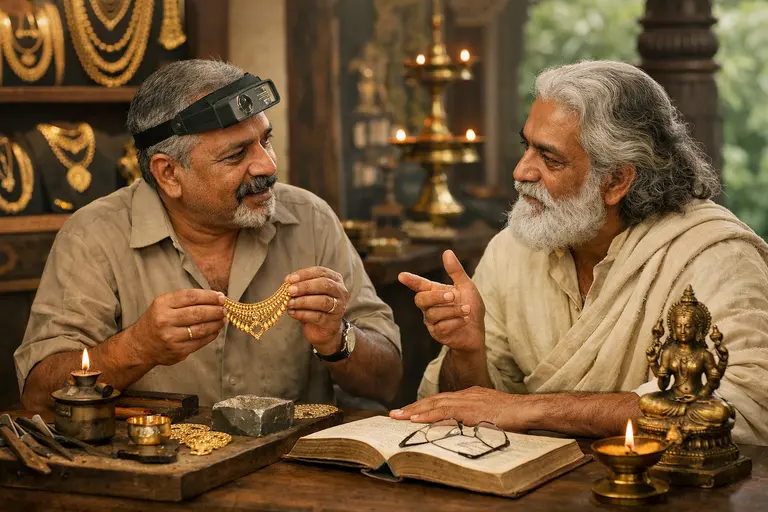
When a parent enters a mine or begins an expedition, the family wonders whether that person will return safely. However, families cope in different ways. Some talk openly about danger, while others lean on faith, relatives, or community support. Similarly, some households save and insure for emergencies, whereas others have no safety net. Consequently, we should not portray every mining family as fatalistic or every adventurer’s family as accepting. In either case, a fatal accident leaves children facing grief and financial insecurity. Therefore, responsible decisions must weigh dependants alongside the ambitions or needs of the person taking the risk. In addition, readers who enjoy the human stories behind valuable materials can explore Keralam’s gem and jewellery heritage.
Consumer Lessons from Mining and Adventure Supply Chains
Responsibility Throughout the Supply Chain
Gemstones, diamonds, gold, and rare earths link consumers to mining communities, even when they never meet. Likewise, jewellery and everyday electronics can hide the human cost of extraction. However, shoppers cannot verify every single mine, so companies must investigate their own supply chains and address credible risks. For example, the OECD Due Diligence Guidance for Responsible Mineral Supply Chains offers a framework for that work. Similarly, the International Labour Organization shares information on mining and occupational safety. As a result, retailers, manufacturers, governments, and buyers all play a part. Buyers can ask about sourcing, while businesses can strengthen supplier checks. Finally, our guide to responsible gemstone buying offers practical tips.
Finding a Practical Middle Ground
Improving Safety in Mining
First, governments and mine operators should cut avoidable hazards through sound mine design, inspections, ventilation, training, protective equipment, and emergency planning. Moreover, effective enforcement matters as much as written rules. Formalising small-scale mining can improve legal protection and training access, although formal status alone does not guarantee safety. In addition, governments and industry should create realistic alternatives through skills training, education, and economic diversification. As a result, families can improve their lives without choosing between safety and survival.
Setting Boundaries in Mining and Adventure
Likewise, mountaineers can lower some risks through professional guidance, careful preparation, suitable equipment, and the willingness to turn back. Nevertheless, no preparation removes every danger. Therefore, parents should consider their dependants, discuss hard possibilities, and prepare for emergencies. Ultimately, the goal is not to remove every risk. Instead, people should separate necessary risks from avoidable ones and protect those who depend on them.
The Ethics of Mining and Adventure
Clearly, no universal answer settles every case. For instance, a miner may accept danger because the family needs income, while an adventurer may chase a meaningful goal despite knowing the consequences. Nevertheless, neither motivation settles the ethical question alone. Economic necessity strengthens the case for protecting miners, and voluntary adventure demands serious thought about family duties. In both cases, society must address preventable harm. Overall, for the 99% who work, raise families, and buy everyday goods, the lesson is simple: human lives matter more than the materials people extract or the achievements they pursue.
Frequently Asked Questions
Should miners leave dangerous jobs to protect their children?
Not necessarily. Instead, safer conditions, fair wages, and alternative employment protect families better than asking workers to give up income without support.
Are extreme adventurers less responsible than miners?
Not automatically. Their choices and available alternatives differ considerably. However, both groups should consider their dependants and reduce avoidable risks.
What can jewellery consumers do?
Consumers can ask retailers about responsible sourcing. In addition, they can support transparent businesses and encourage companies to address worker safety.
Can mining become safer without destroying livelihoods?
Yes, it can. Engineering, training, inspections, protective equipment, and alternative employment can reduce hazards while supporting livelihoods.
Disclaimer
This article offers an ethical and social discussion. Risks vary by occupation, location, and working conditions. Consult qualified professionals for occupational safety guidance. The author has no financial affiliation with the brands or organizations mentioned.